Author: Tyler Mashek
Pump performance can make or break a job, especially when crews handle septic waste, wastewater, or other demanding materials. A pump that struggles to maintain consistent operation can slow production, increase equipment wear, and create unnecessary downtime. Even a reliable pump can run into problems when field conditions change or operators overlook routine maintenance.
Understanding what affects pump performance in the field helps contractors identify problems before they turn into expensive repairs. From equipment selection to operating conditions, several factors influence how efficiently a pump handles daily workloads. Knowing what to watch for can help crews keep their equipment running smoothly.
Different pumping applications require different equipment. Vacuum pumps create negative pressure inside a tank by removing air, allowing atmospheric pressure to push material into the tank when operators open the appropriate valve. Water pumps, meanwhile, move liquid directly through their internal components to generate flow and discharge pressure.
Choosing the wrong pump for an application can lead to poor performance and premature wear. Operators should consider the material, required capacity, and operating environment before selecting equipment. Matching the pump to the job helps prevent unnecessary strain and supports consistent performance throughout the workday.
Flow rate plays a major role in determining how efficiently water pumps move liquid. Manufacturers typically measure flow in gallons per minute (GPM), which indicates how much liquid a pump can transfer under specific operating conditions.
A pump with insufficient capacity may struggle to meet job demands, while an oversized unit can waste energy or operate outside its preferred range. Contractors should evaluate expected flow requirements alongside system resistance rather than focusing exclusively on advertised capacity.
For vacuum pumping operations, airflow capacity also matters. Adequate airflow helps the system establish and maintain the vacuum needed for efficient material transfer.
Restrictions along the material intake path can significantly affect pumping efficiency. Long hose runs, sharp bends, and undersized connections increase resistance and make material transfer more difficult.
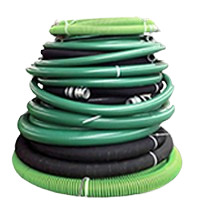
For septic and vacuum truck operations, suction hoses must maintain a clear passage while resisting collapse under vacuum. Damaged hoses or loose connections can introduce air leaks that reduce effective suction at the pickup point.
Operators should inspect hose conditions regularly and avoid unnecessary bends whenever possible. Proper hose sizing and secure connections help maintain dependable performance during demanding jobs.
Operating pressure directly affects how water pumps perform in the field. Excessive discharge pressure can increase mechanical strain, while insufficient pressure may prevent equipment from delivering the required flow.
Vacuum pumps operate differently because they remove air from the collection tank. The resulting pressure difference allows material to enter through the intake system.
Operators should monitor vacuum gauges and follow manufacturer operating limits. Excessive vacuum can increase heat and mechanical stress without necessarily improving productivity. Maintaining appropriate operating conditions helps protect equipment while supporting efficient material movement.
Pump speed influences output and overall operating efficiency. Many truck-mounted systems rely on engines or power take-off systems to drive their pumps, making consistent power delivery important.
Running equipment below its recommended speed may reduce performance. Excessive speed can increase heat generation, accelerate wear, and potentially damage internal components.
Operators should follow manufacturer specifications rather than assuming higher speeds always produce better results. Checking engine performance and drive components can also help identify problems that affect pump operation.
Weather conditions can change how pumping equipment performs throughout the year. Cold temperatures can thicken certain fluids, restrict movement through hoses, and increase the risk of freezing inside water pump systems.
Hot weather creates different challenges. High ambient temperatures can make cooling more difficult, particularly when equipment operates continuously under heavy loads.
Crews should adjust maintenance routines to account for seasonal conditions. Protecting equipment from freezing temperatures and monitoring operating heat can help prevent unexpected breakdowns.
The material moving through a pumping system affects equipment performance. Thick sludge and debris-heavy wastewater often require more effort to transfer than relatively clean liquids.
In vacuum truck applications, material characteristics influence how easily atmospheric pressure can move waste into the tank. Dense materials may require careful hose positioning or additional time to complete the transfer.
Water pumps that handle solids must also accommodate the expected particle size. Operators should verify equipment capabilities before pumping abrasive materials or liquids containing substantial debris.
Air leaks can seriously undermine vacuum pumping efficiency. When outside air enters through damaged seals or loose fittings, the system may struggle to maintain sufficient negative pressure inside the collection tank.
Common trouble spots include:
Routine inspections can help crews identify these problems before performance drops significantly. Addressing leaks promptly reduces unnecessary pump workload and helps maintain consistent vacuum levels during operation.
Contamination can shorten pump life and interfere with normal operation. Vacuum pumps depend on appropriate protection systems to prevent liquids and debris from reaching components that should handle air rather than waste material.
Float shutoffs, moisture separators, and other protective devices help reduce contamination risks. Operators should inspect these components regularly and confirm that they function correctly.
Water pumps also require attention to debris management. Depending on the pump design, strainers or filtration components can help prevent damaging particles from entering sensitive areas.
Keeping protective equipment clean supports reliable operation and reduces avoidable repairs.
Moving components need proper lubrication to operate efficiently. Inadequate lubrication increases friction and can accelerate wear inside pumps, bearings, and related drive systems.
Some vacuum pumps require specific lubrication procedures, while others use different designs with distinct maintenance requirements. Operators should always consult manufacturer recommendations before selecting lubricants or establishing service intervals.
Unusual noises, excessive vibration, or rising operating temperatures may indicate developing mechanical problems. Investigating these warning signs early can prevent minor issues from turning into major equipment failures.
The physical arrangement of a pumping system affects performance more than many operators realize. Longer hose runs increase friction losses in liquid pumping systems and can complicate material transfer during vacuum operations.
Sharp turns and poorly positioned connections create additional resistance. Even a powerful pump may struggle when the surrounding system limits efficient movement.
Contractors should plan equipment placement carefully before beginning work. Reducing unnecessary hose length and maintaining smooth routing can improve operating conditions without requiring equipment upgrades.
Elevation differences influence the amount of work required to move material. Water pumps must overcome vertical lift and friction losses when transferring liquid between locations.
Greater discharge elevation generally increases the pressure requirements for a water pumping system. Operators should account for total dynamic head when evaluating equipment capacity.
Vacuum systems face their own limitations when lifting material from below the collection tank. Greater vertical lift reduces the pressure difference available to overcome friction and move waste.
Understanding these limitations helps crews establish realistic expectations and avoid overworking equipment.
Reliable pump performance depends a lot of factors. Proper equipment selection, suitable operating conditions, and regular maintenance all influence how effectively a system handles demanding fieldwork.
Contractors who understand these factors can troubleshoot problems faster and make better decisions about repairs or replacement components. Paying attention to system performance also helps extend equipment life and minimize costly interruptions.