Author: Tyler Mashek
Jetting a pipe sounds simple on the surface. You hook up your equipment, send water through the line, and clear the blockage. In reality, a lot can go wrong if you rush into it without thinking things through.
Operators in the wastewater and septic industry deal with tough conditions every day, so preparation matters. The right approach protects your equipment, keeps the job efficient, and helps you avoid costly mistakes.
Before you start jetting, take a close look at the pipe’s condition. Older pipes, especially clay or brittle materials, can crack under high pressure. Even newer lines can weaken over time due to corrosion or buildup.
If you skip this step, you risk turning a clog into a full pipe failure. A quick inspection with a camera can give you a clear picture of what you’re dealing with.
Not all clogs behave the same way. Grease, roots, sludge, and debris all require different approaches. High pressure alone won’t solve every problem.
For example, grease tends to smear and spread if you don’t use the right nozzle and pressure combination. Roots may need cutting action instead of just flushing.
Pressure plays a huge role in jetting success. Too little pressure won’t clear the blockage. Too much pressure can damage the pipe or cause splashback.
You want to match your PSI to the pipe material and blockage type. Experienced operators often adjust pressure gradually instead of starting at full power.
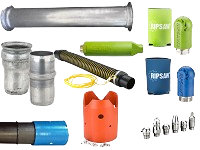
Nozzles control how water moves through the pipe. Different designs create forward jets, rear thrust, or rotating patterns.
Using the wrong nozzle wastes time and reduces effectiveness. For example, a penetrating nozzle works well for tough clogs, while a flushing nozzle helps clean out loosened debris.
You don’t want equipment failure mid-job. A quick inspection saves time and prevents dangerous situations.
Check hoses, connections, and fittings before you begin. Look for wear, cracks, or leaks that could cause issues under pressure.
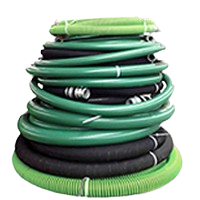
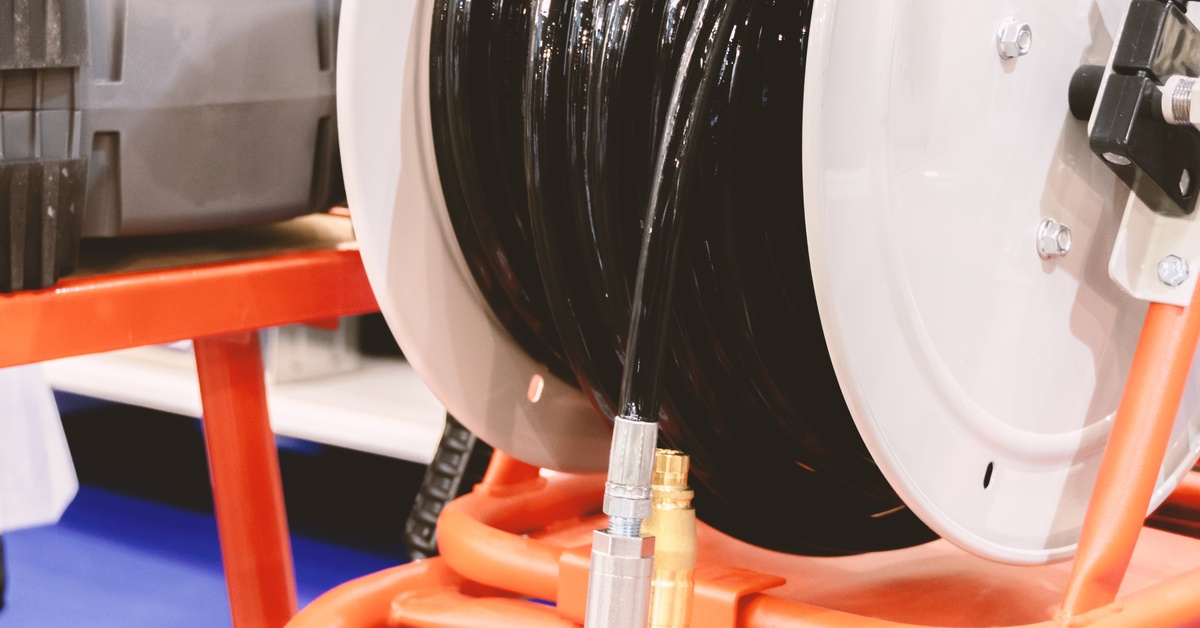
Your hose takes the brunt of the job. It needs to handle pressure, abrasion, and constant movement inside the pipe.
High-quality jetter hoses improve both safety and performance. A worn or low-grade hose can burst, kink, or reduce water flow when you need it most.
Companies like Varco Supply focus on supplying durable equipment built for demanding wastewater jobs, which helps operators stay productive in the field.
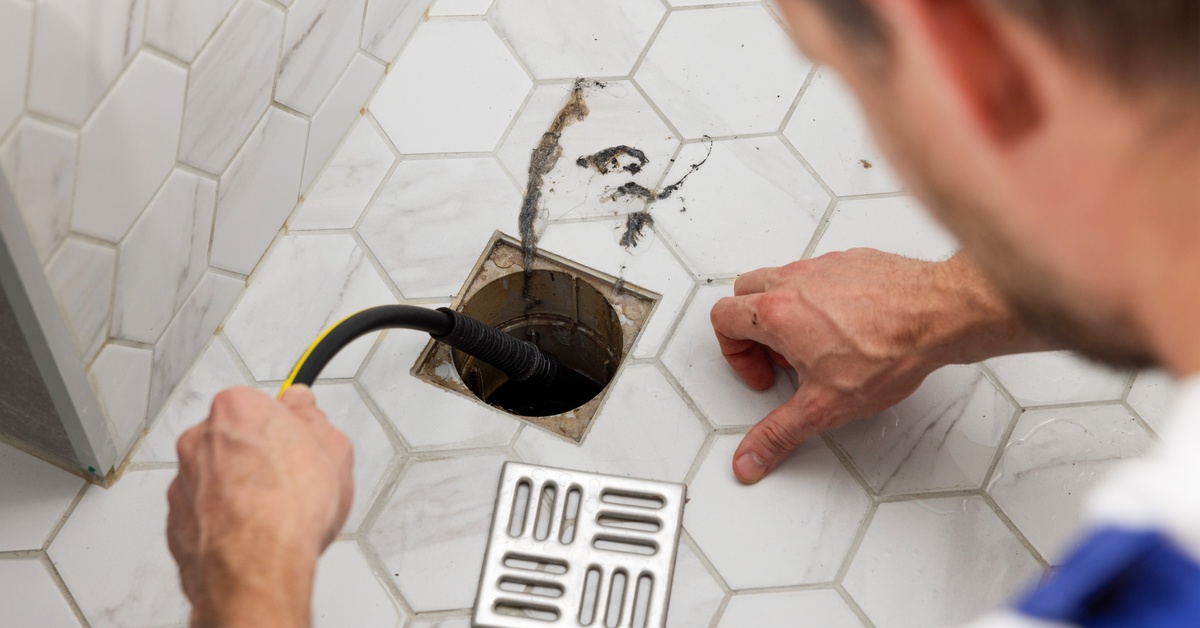
A lot of people focus only on PSI, but GPM matters just as much. Flow determines how well you can carry debris out of the pipe.
Low flow with high pressure might break up a clog but leave material behind. Balanced flow and pressure create a more thorough clean.
Where you enter the pipe affects the entire job. Tight or awkward access points can limit hose movement and reduce effectiveness.
You want a straight, clean entry whenever possible. This setup allows the hose to travel smoothly and keeps the nozzle working as intended.
Clearing a blockage creates debris that needs somewhere to go. If you don’t plan ahead, you can end up with a secondary clog or mess at the access point.
Think about how water and waste will exit the system. Proper planning keeps the job clean and efficient.
Jetting involves high-pressure water that can cause serious injury. You need to stay aware of your surroundings and equipment at all times.
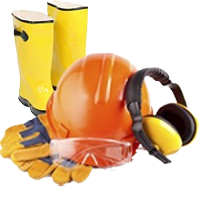
Never point the nozzle toward yourself or others. Always wear proper protective gear, including gloves and eye protection.
Water doesn’t always move the way you expect. Blockages can cause pressure to build and force water back toward the operator.
This situation creates both safety and sanitation risks. Staying alert and controlling pressure helps reduce the chance of splashback.
Pipe size directly affects how you approach jetting. Smaller pipes require more precision, while larger pipes may need higher flow to clean effectively.
Using the wrong setup for the diameter leads to poor results. Always match your equipment to the size of the line.
If a pipe already has cracks or weak spots, jetting can make things worse. High pressure can expand small issues into major failures.
A quick inspection helps you decide whether jetting makes sense or if another method works better.
Weather and job site conditions can impact your work. Cold temperatures can affect water flow and hose flexibility. Muddy or uneven ground can create safety hazards.
You want stable footing and consistent equipment performance. Taking a few minutes to assess the environment makes a difference.
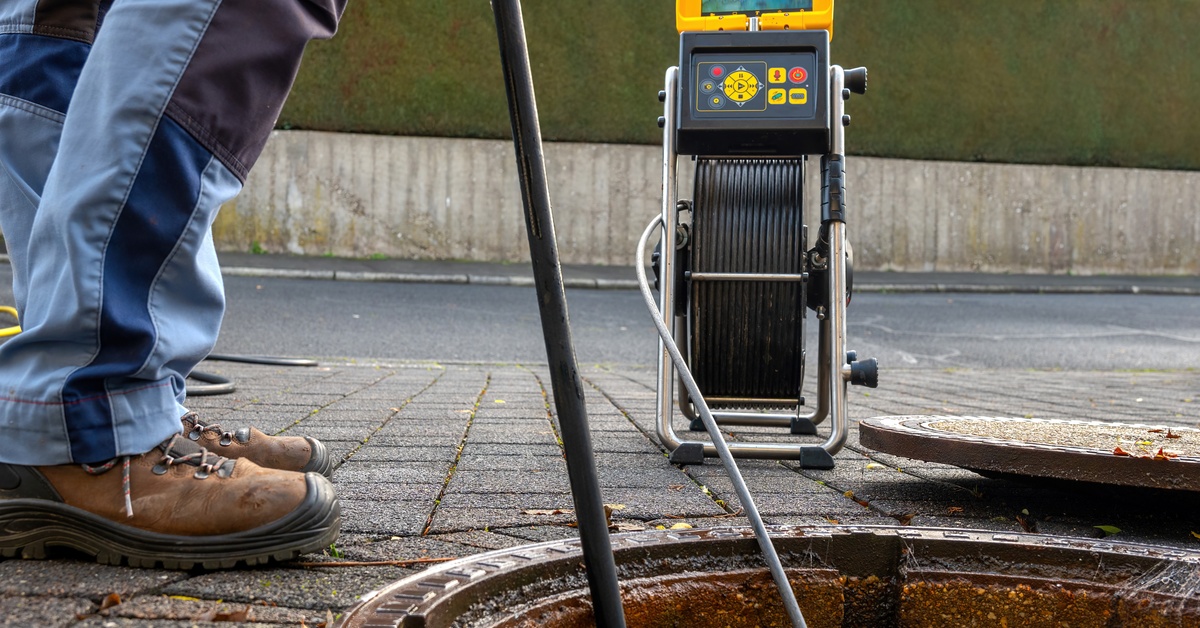
A structured approach keeps your work efficient and repeatable. Instead of guessing, follow a process that works across different jobs.
Here’s a simple checklist to keep in mind:
This approach helps you avoid common mistakes and keeps the job moving smoothly.
Don’t assume the job finishes once you start the water flow. Pay attention to how the hose moves and how the pipe responds.
If you notice resistance or slow progress, adjust your technique. Small changes in pressure or positioning can make a big difference.
More pressure doesn’t always equal better results. Over-jetting can damage pipes, especially older systems.
Once the blockage clears, ease off the pressure. Focus on flushing out remaining debris instead of continuing aggressive jetting.
Jetting works well in many situations, but it isn’t always the best option. Severe damage, collapsed pipes, or certain root intrusions may require different solutions.
Understanding your limits helps you avoid wasting time and risking equipment damage.
Jetting a pipe requires more than just turning on a machine. You need to understand the pipe, the blockage, and your equipment before you start.
When you take the time to plan and prepare, you get better results with fewer problems. That approach keeps your operation efficient and protects both your equipment and the system you’re working on.
Operators who think ahead tend to finish jobs faster and with fewer setbacks. In an industry where time and reliability matter, that advantage goes a long way.