Author: Tyler Mashek
Sanitation remains one of the most critical aspects of civil engineering and public health. While modern society often takes waste disposal for granted, the technology behind onsite wastewater treatment systems has undergone centuries of development. Septic tanks, specifically, represent a significant leap in environmental protection and hygiene. Understanding the evolution of these systems offers insight into how human ingenuity has solved the complex problem of waste management in areas without centralized sewer infrastructure.
This historical analysis of septic tanks examines the progression from rudimentary waste collection methods to the sophisticated, biological treatment units used today. By exploring the technical advancements in materials, design, and biological understanding, one can appreciate the complex engineering required to safely treat wastewater onsite.
Before the invention of the septic tank, waste management largely relied on cesspools. These rudimentary structures consisted of a pit lined with loose stones or brick. The design intent allowed liquids to leach into the surrounding soil while solids accumulated at the bottom.
While functional for basic containment, cesspools posed significant health risks. The leaching process frequently contaminated nearby groundwater sources, leading to the spread of waterborne diseases such as cholera and typhoid. Maintenance required manual extraction of the accumulated solids, a hazardous and unpleasant task. The lack of biological treatment meant that pathogens remained active, and the environmental impact was often severe, particularly in densely populated areas.
The trajectory of sanitation changed in 1860 when Jean-Louis Mouras, a French engineer, developed the first prototype of a septic tank. Mouras designed a concrete tank that connected to a clay pipe, which then discharged into a cesspool. He hypothesized that sewage could liquefy if kept in a contained environment before discharge.
After operating the system for 12 years, Mouras dismantled the tank for inspection. He discovered that the tank contained very few solids, confirming his theory that anaerobic digestion had successfully broken down the waste. He patented this invention in 1881, calling it the "Mouras Automatic Scavenger." This pivotal moment marked the transition from simple containment to actual treatment, utilizing natural biological processes to reduce waste volume.
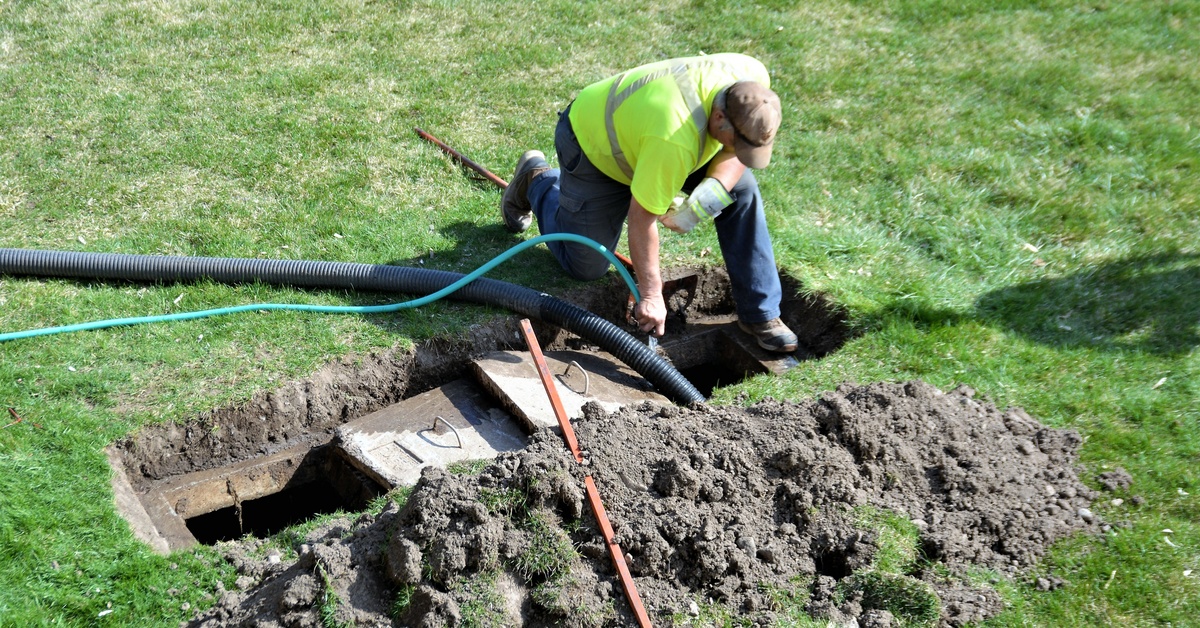
The technology crossed the Atlantic swiftly. By 1883, the United States saw its first septic tank installation. Similar to the French model, these early American systems utilized a two-chamber design. The first chamber allowed solids to settle and form a sludge layer, while oils and grease floated to the top to form a scum layer. The liquid effluent then flowed into the second chamber for further settling before discharging into the soil.
Engineers of the era began to recognize the importance of the microbial action occurring within the tank. They understood that bacteria, thriving in the oxygen-free environment, decomposed the organic matter. This biological breakdown significantly reduced the biochemical oxygen demand of the effluent, making it safer for soil absorption compared to raw sewage from cesspools.
Material science played a crucial role in the durability of septic systems. Early iterations in the United States sometimes utilized wood or steel. However, the corrosive nature of wastewater, combined with the moist soil environment, led to rapid degradation of these materials. Steel tanks rusted, and wooden tanks rotted, leading to structural failures and ground contamination.
By the mid-20th century, precast concrete became the industry standard. Concrete offered superior compressive strength and resistance to buoyancy forces. Its alkaline nature provided some resistance to the acidic byproducts of anaerobic digestion. Precast manufacturing allowed for consistent quality control and easier installation. These heavy, durable tanks ensured longevity and reduced the frequency of structural replacements.
As understanding of soil mechanics improved, engineers realized that the tank alone was insufficient for complete treatment. The introduction of the drain field, or leach field, completed the modern septic system. The drain field consists of a network of perforated pipes laid in gravel-filled trenches.
The primary function of the drain field is the distribution of the septic tank effluent into the unsaturated soil. Here, aerobic bacteria—bacteria that require oxygen—perform a secondary treatment. As the effluent percolates through the soil profile, these microorganisms digest remaining pathogens and nutrients. The soil acts as a physical filter and a chemical buffer, protecting the groundwater table below.
In the 1970s and 1980s, the industry saw the introduction of high-density polyethylene (HDPE) and fiberglass reinforced plastic (FRP) tanks. These materials offered distinct advantages over concrete, particularly regarding weight and chemical resistance.
A plastic or fiberglass tank weighs significantly less than a concrete counterpart, allowing for installation with lighter equipment. These materials are impervious to the hydrogen sulfide gas produced during anaerobic digestion, which can cause concrete corrosion over decades. Additionally, the seamless construction of rotationally molded plastic tanks eliminates the risk of leakage at seams, a common failure point in older multi-piece concrete tanks.
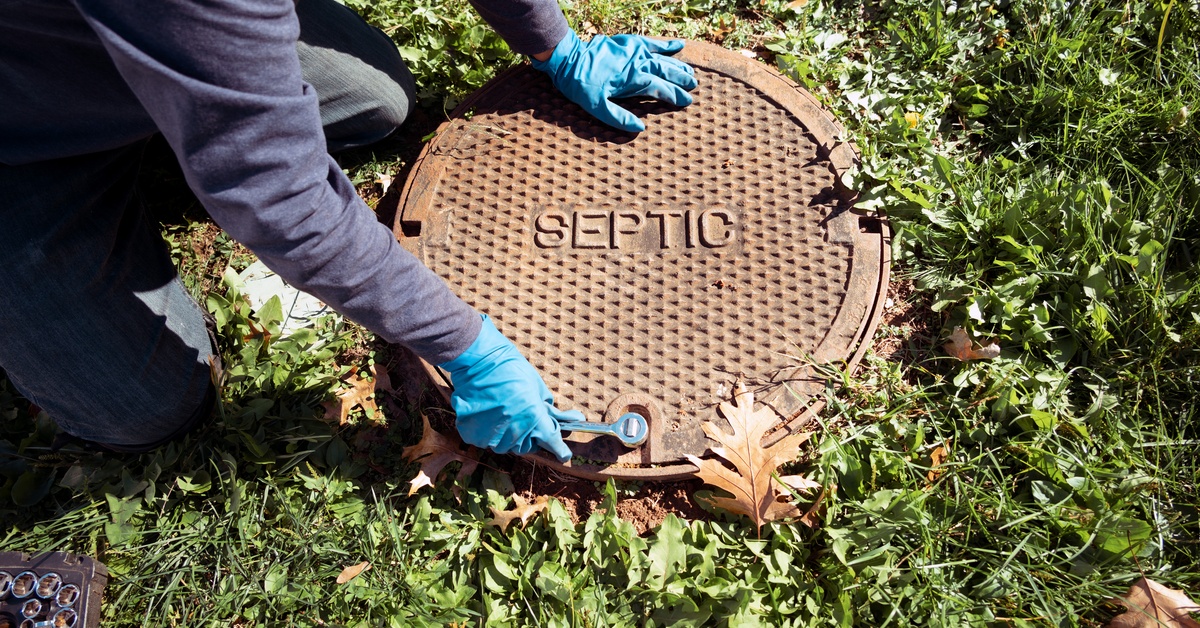
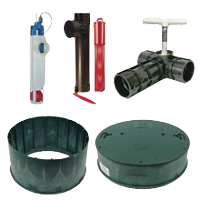
Maintenance and system protection evolved with the addition of effluent filters and risers. An effluent filter, placed at the outlet tee of the tank, prevents suspended solids from exiting into the drain field. Clogging in the drain field represents a catastrophic failure mode; thus, the filter acts as a critical safeguard.
Risers provide access to the tank openings from the ground surface. Historically, maintenance personnel had to excavate soil to locate and open the tank lids for pumping. Risers eliminate this labor-intensive step, facilitating regular inspection and pumping. This accessibility encourages proper maintenance schedules, extending the operational life of the entire system.
Standard gravity-fed systems require specific soil conditions and topography. To address sites with high water tables, shallow bedrock, or poor soil permeability, engineers developed alternative treatment systems. These include:
These engineered solutions allow for development in areas previously considered unsuitable for onsite wastewater treatment.
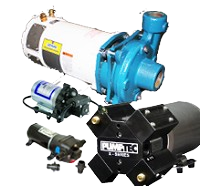
Gravity does not always suffice for effluent transport. Modern systems frequently incorporate pumps to move wastewater from the tank to the drain field, especially when the disposal area lies at a higher elevation than the tank.
A reliable water pump supplier becomes a critical partner in these installations. Specialized effluent pumps must handle the corrosive environment and potential solids within the wastewater. Controls, floats, and alarms monitor the liquid levels, activating the pump only when necessary to dose the drain field. This intermittent dosing optimizes the soil absorption rate and prevents saturation.
The evolution of septic tank technology continues with the integration of smart technology and nutrient reduction. Modern regulations in sensitive environmental areas now mandate the reduction of nitrogen and phosphorus in effluent. Advanced treatment units utilize recirculation and specific media to strip these nutrients before discharge.
Furthermore, remote monitoring systems now allow service providers to check pump cycles, water levels, and alarm conditions via telemetry. This real-time data analysis prevents failures before they occur. The septic tank has transformed from a passive concrete box into a dynamic, managed utility that rivals centralized treatment plants in effectiveness.