Author: Tyler Mashek
High flow rates change how equipment behaves in the field. When you move large volumes of air quickly, every part of your setup works harder and reacts faster. Operators who understand these changes stay ahead of problems and keep jobs running smoothly. That matters even more in industries that depend on consistent suction and reliable performance.
If you run equipment in septic, hydro-excavation, or waste handling, you already know how critical airflow becomes. Let’s break down what actually happens when you push higher flow rates and how to manage it effectively.
Flow rate refers to how much air moves through the system over time, measured in cubic feet per minute (CFM). In vacuum applications, higher flow means faster air removal from the tank. That process creates stronger and quicker suction at the intake point.
You will notice faster tank drawdown and quicker material pickup. However, you will also see more stress on hoses, fittings, and seals. High flow does not just improve speed, it changes the entire system dynamic.
A vacuum system does not pull material directly. It removes air from the tank, which creates negative pressure. Once you open the valve, outside air—and whatever sits in its path—rushes in to fill that space.
This principle stays the same at any flow rate. The difference comes down to how quickly that pressure change happens. Faster airflow means faster response, but it also increases the risk of instability if the system cannot keep up.
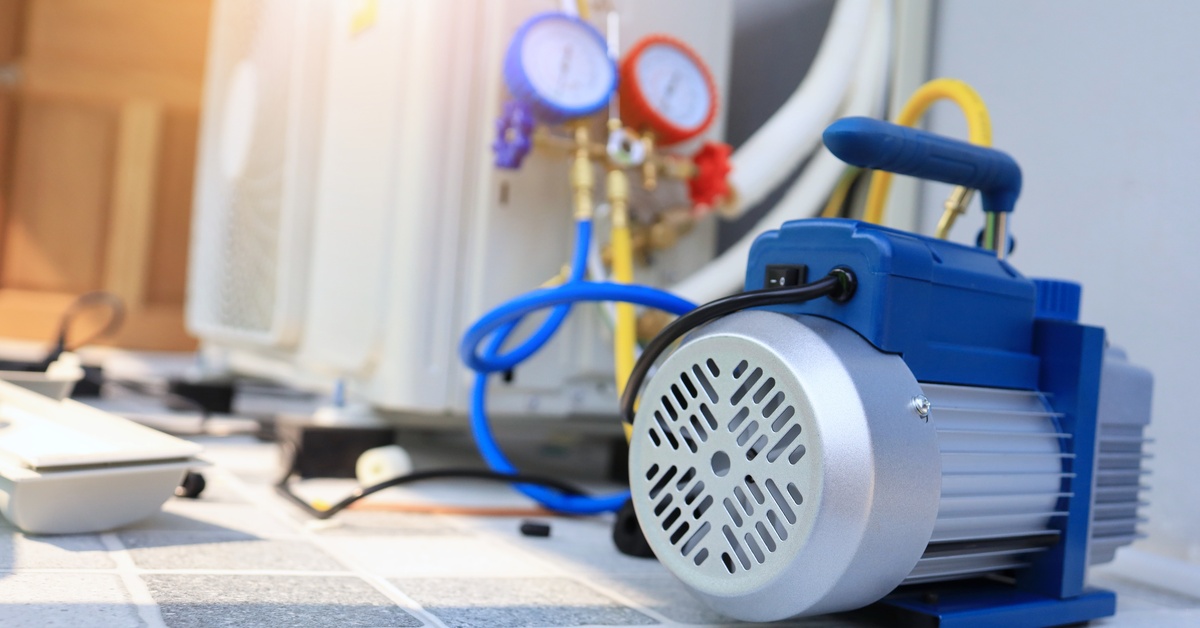
Higher flow rate vacuum pumps can cut down job time significantly. Operators can clear tanks faster, handle heavier loads, and reduce idle time between pulls.
However, efficiency depends on balance. If your setup cannot support that airflow, you will lose performance instead of gaining it. A mismatched system often creates bottlenecks, especially at hose connections or restrictive fittings.
Every part of your setup plays a role when airflow increases. Hoses, valves, tanks, and fittings must all support the volume moving through them. It is essential that all components are checked to ensure they are rated to handle a given pump’s CFM movement.
Weak points show up quickly under high demand. Small diameter hoses, worn seals, or undersized fittings can restrict airflow and reduce efficiency. That restriction forces the system to work harder than necessary.
Hose size and construction directly affect airflow. Larger diameter hoses allow more air to move with less resistance. That reduces strain on the system and improves overall efficiency.
Material also matters. Reinforced hoses handle higher airflow without collapsing or deforming. If a hose caves in under pressure, it cuts off airflow and slows the entire operation.
High airflow generates heat. As air compresses and moves rapidly, temperatures inside the system rise. That heat can damage components if you do not manage it properly.
Operators should monitor temperature during extended runs. Overheating can shorten equipment life and lead to unexpected shutdowns. Keeping airflow smooth and unrestricted helps reduce heat buildup.
Many operators push for higher flow without adjusting the rest of their setup. That approach often leads to poor performance or equipment wear.
Here are a few common issues to watch for:
Fixing these problems often delivers better results than simply increasing flow.
Tank behavior changes when airflow increases. Faster air removal creates rapid pressure shifts inside the tank. That can stress tank walls and internal components.
You need to make sure your tank design supports those changes. Tanks built for lower flow may struggle under higher demand. Proper venting and structural integrity become critical in these situations. If you are matching a pump to a tank, check with that tank’s manufacturer for its CFM rating.
Flow rate and vacuum level work together, but they do not always increase at the same time. High flow moves air quickly, while high vacuum creates stronger suction.
You need both for optimal performance. Too much flow without enough vacuum reduces pulling power. Too much vacuum without sufficient flow slows down material movement.
Finding the right balance keeps your system efficient and consistent.
Higher flow rates increase wear on your equipment. Moving more air means more friction, more heat, and more stress on components.
Routine maintenance becomes even more important. Operators should inspect hoses, seals, and fittings regularly. Small issues can turn into major failures when airflow stays high.
Keeping parts clean and properly fitted helps maintain performance over time.
High flow systems introduce additional safety concerns. Rapid airflow can create sudden pressure changes and unexpected movement in hoses or fittings.
Operators should stay aware of system behavior at all times. Proper training and awareness reduce the risk of accidents. Equipment should always operate within its rated limits.
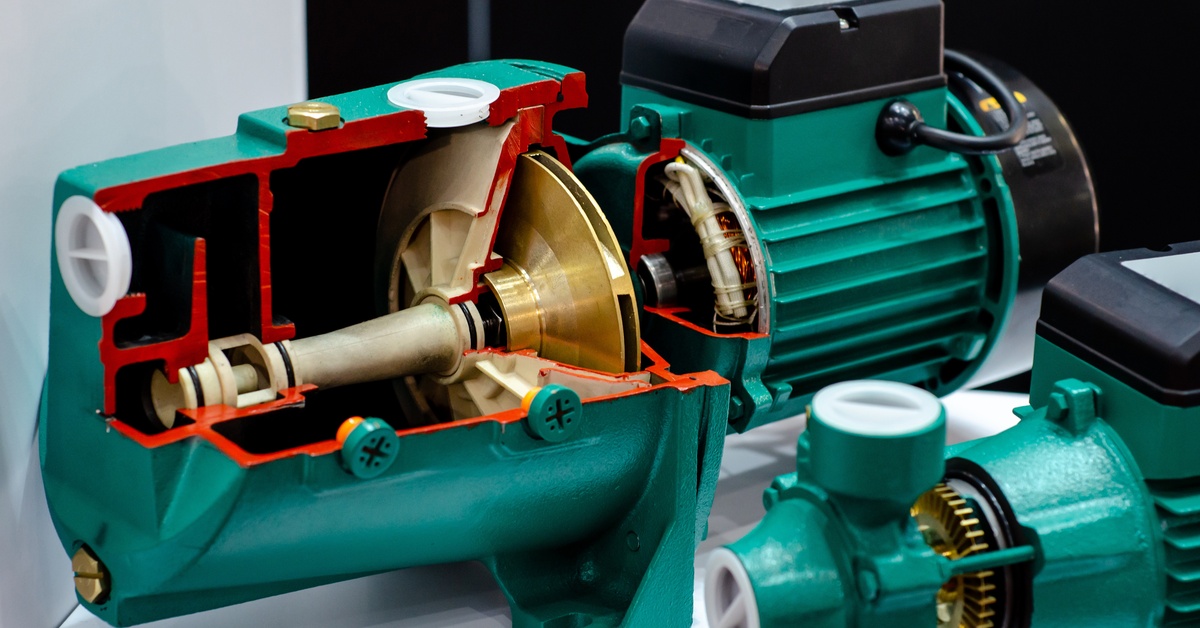
Not every job requires high flow rates. Some applications benefit more from controlled suction and steady operation. Choosing the right setup depends on the material, distance, and job conditions.
Overpowering a system can cause more harm than good. Operators should match their equipment to the task instead of pushing for maximum output every time.
Experienced operators learn how airflow affects every part of the system. They adjust setups based on real-world conditions instead of relying on specs alone.
That knowledge comes from understanding how components interact. It also comes from recognizing early signs of restriction, overheating, or imbalance.
Companies like Varco Supply support these operations by providing the right equipment and expertise for demanding environments. Our focus on wastewater and industrial applications reflects decades of hands-on industry experience.
Running high flow vacuum pumps requires more than just turning up capacity. You need a complete setup that supports increased airflow without creating new problems.
Pay attention to hose size, system balance, and component condition. Monitor heat, pressure, and overall performance during operation. Small adjustments often make a big difference in efficiency and reliability.
When everything works together, high flow becomes a powerful tool instead of a constant challenge.