Author: Tyler Mashek
Car washing equipment needs reliable hoses to deliver consistent water pressure and keep daily operations running smoothly. Whether you operate a commercial car wash or handle mobile detailing jobs, the hoses you choose affect cleaning performance, equipment efficiency, and maintenance costs.
Different washing systems require different hose materials and pressure ratings. A hose that works well for basic rinsing might struggle with high-pressure cleaning equipment. Understanding your options helps you choose hoses that handle your workload without creating unnecessary headaches.
Car washing systems rely on steady water delivery to remove dirt and cleaning chemicals from vehicle surfaces. The wrong hose can restrict flow, develop leaks, or wear out faster than expected.
Pressure compatibility also matters. High-pressure equipment places greater demands on hoses than standard water delivery systems. Choosing appropriate materials and fittings helps maintain consistent performance while reducing the risk of unexpected equipment failures.
Several hose materials work well in car washing applications, but each offers different advantages.
Rubber hoses provide flexibility and durability for demanding cleaning environments. PVC hoses offer a lightweight alternative for lower-pressure applications. Reinforced thermoplastic hoses can handle higher operating pressures while maintaining manageable weight.
The best choice depends on operating pressure, temperature, chemical exposure, and how frequently workers move the hose.
Rubber hoses remain a practical option for commercial washing operations because they handle frequent movement and demanding working conditions.
Their flexibility helps operators maneuver around vehicles without constantly fighting stiff hose sections. Certain rubber compounds also offer good abrasion resistance when hoses contact pavement or equipment.
However, not every rubber hose handles the same pressure or cleaning chemicals. Always check manufacturer specifications before selecting a hose for a particular washing system.
PVC hoses work well for many low-pressure water supply and rinsing applications. Their relatively light weight makes them convenient for workers who frequently reposition equipment.
These hoses also offer an economical option for operations that don't require heavy-duty pressure ratings.
Temperature limitations deserve attention, though. Some PVC hoses become less flexible in cold weather, while excessive heat can affect their performance. Check the hose's operating temperature range before purchasing.
High-pressure washing equipment needs hoses that withstand repeated pressure cycles without compromising safety.
Reinforced hoses typically feature internal reinforcement that helps resist expansion under pressure. Manufacturers may use steel wire or synthetic fibers depending on the hose design.
These hoses support demanding cleaning applications where ordinary water hoses cannot safely handle operating conditions.
Choose a hose with a manufacturer-rated working pressure that meets or exceeds the equipment's maximum operating pressure.
Pressure ratings tell operators how much working pressure a hose can safely handle under specified conditions.
A hose with an inadequate rating may develop leaks or fail during operation. Excessively high pressure can also damage fittings and connections.
When comparing hoses, consider these specifications:
Never treat burst pressure as an acceptable operating pressure. Always follow the manufacturer's working pressure limits.
Hose diameter influences water flow and pressure loss throughout the washing system.
Smaller hoses can create greater friction losses, particularly across longer distances. Larger hoses generally allow more water to move with less restriction, although they may add weight and reduce maneuverability.
High-pressure washers often use smaller-diameter hoses than conventional water supply systems.
Match hose diameter to the equipment manufacturer's recommendations rather than assuming that bigger always means better.
Longer hoses provide additional reach, which helps workers clean vehicles without constantly moving equipment.
However, increasing hose length also increases friction losses. Depending on the flow rate and diameter, excessive length can reduce the pressure available at the cleaning nozzle.
Shorter hoses generally minimize these losses but limit movement around vehicles.
Choose enough length to comfortably reach the work area without creating unnecessary hose runs. Proper routing also helps prevent tangles and premature wear.
Hot water pressure washing equipment requires hoses that tolerate elevated temperatures alongside operating pressure.
Standard cold-water hoses may soften or deteriorate when operators expose them to temperatures beyond their ratings.
Hot-water-rated hoses use materials and reinforcement that support the manufacturer's specified operating conditions.
Always verify both temperature and pressure compatibility. A hose that handles high pressure at room temperature might have different limitations when exposed to hot water.
Car washing operations frequently use detergents, degreasers, and specialized cleaning solutions.
Some chemicals can degrade hose liners or weaken certain materials over time. Chemical exposure may also affect seals and fittings.
Choose hoses with manufacturer-confirmed compatibility for the products your operation uses.
Pay particular attention to chemical concentration and operating temperature. Both factors influence how cleaning solutions interact with hose materials.
Some operators encounter specialized high-pressure hoses while comparing equipment options.
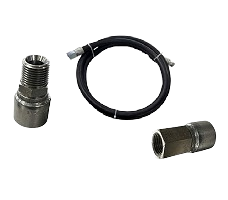
A hydro jetting hose serves demanding pipe-cleaning applications that often require high operating pressures and specialized fittings.
Although certain specifications may overlap with pressure washing equipment, these hoses aren't automatically interchangeable.
Car washing applications require compatible connections, suitable pressure ratings, and appropriate material characteristics. Follow equipment manufacturer recommendations rather than substituting hoses based solely on pressure capacity.
Even a durable hose can create problems when its fittings don't match the equipment.
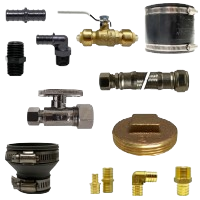
Connections must accommodate operating pressure and provide reliable sealing. Incorrect threads or incompatible coupling designs can cause leaks and potentially dangerous failures.
Fitting materials also influence durability. Brass and stainless steel offer different corrosion-resistance characteristics depending on the application.
Check thread types, fitting dimensions, and manufacturer compatibility before assembling hose connections.
Daily handling practices make a noticeable difference in hose service life.
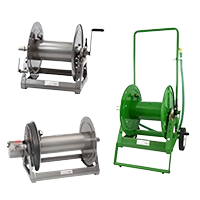
Dragging hoses across rough pavement can damage outer covers. Tight bends may stress reinforcement, while repeated twisting can weaken connections. Use appropriate hose reels or storage systems to reduce unnecessary wear.
Inspect hoses regularly for cracking, abrasion, bulging, and leaking fittings. Replace damaged components before they create bigger equipment problems.
The right hose depends on how your equipment operates and the conditions it encounters.
Commercial pressure washing systems generally benefit from reinforced hoses with suitable pressure and temperature ratings. Basic water supply applications may work well with rubber or PVC alternatives.
Mobile detailing businesses should also consider hose weight and flexibility because workers frequently reposition their equipment.
Compare manufacturer specifications against your actual operating requirements before making a purchase.
Choosing suitable hoses helps car washing equipment maintain consistent performance while reducing avoidable maintenance problems.
Focus on pressure compatibility, material durability, and proper connections rather than selecting hoses based on price alone. A reliable hose should support your equipment's operating conditions and withstand routine handling.