Author: Tyler Mashek
When you work with hoses every day, the type of coupling you choose affects everything from job speed to safety. In industries like septic, hydro-excavation, and wastewater, the wrong connection slows you down or creates a mess you don’t want to deal with.
Camlock and quick-release couplings both aim to make connections faster and easier. They do that in different ways, and each one fits specific job conditions better than the other. Understanding how they work and where they shine will help you pick the right tool for your setup.
Let’s break it down in plain terms so you can make a smart call on your next job.
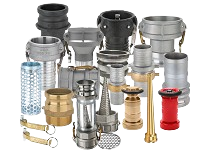
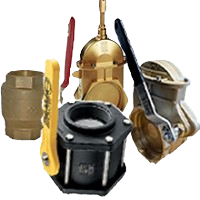
Camlock couplings use a simple but effective design. Two cam arms lock into place over a matching adapter, creating a tight seal without tools.
Operators like them because they connect quickly and hold strong under demanding conditions. You’ll see them everywhere in wastewater and vacuum truck setups for a reason, they’re very reliable.
They also handle a wide range of materials, from water to sludge, without much fuss.
Quick-release couplings rely on a push-and-click or latch-style mechanism. You connect them in seconds, often with one hand.
These couplings focus on speed and convenience. Many designs include internal valves that stop flow when disconnected, which helps reduce spills.
They show up more often in systems that need frequent connect-and-disconnect cycles with minimal downtime.
Camlock systems use two main parts: a male adapter and a female coupler with cam arms.
Here’s what happens during connection:
This design gives you a secure connection without threads or tools.
Quick-release couplings depend on internal locking mechanisms.
When you connect them, you push the plug into the socket. The system locks automatically using springs or ball bearings. When you disconnect, you pull back a sleeve or press a release.
Some designs shut off flow instantly during disconnect, which helps prevent leaks and keeps your system cleaner.
These two coupling types solve similar problems but approach them differently.
Here’s where they stand apart:
Each difference matters depending on how you run your equipment.
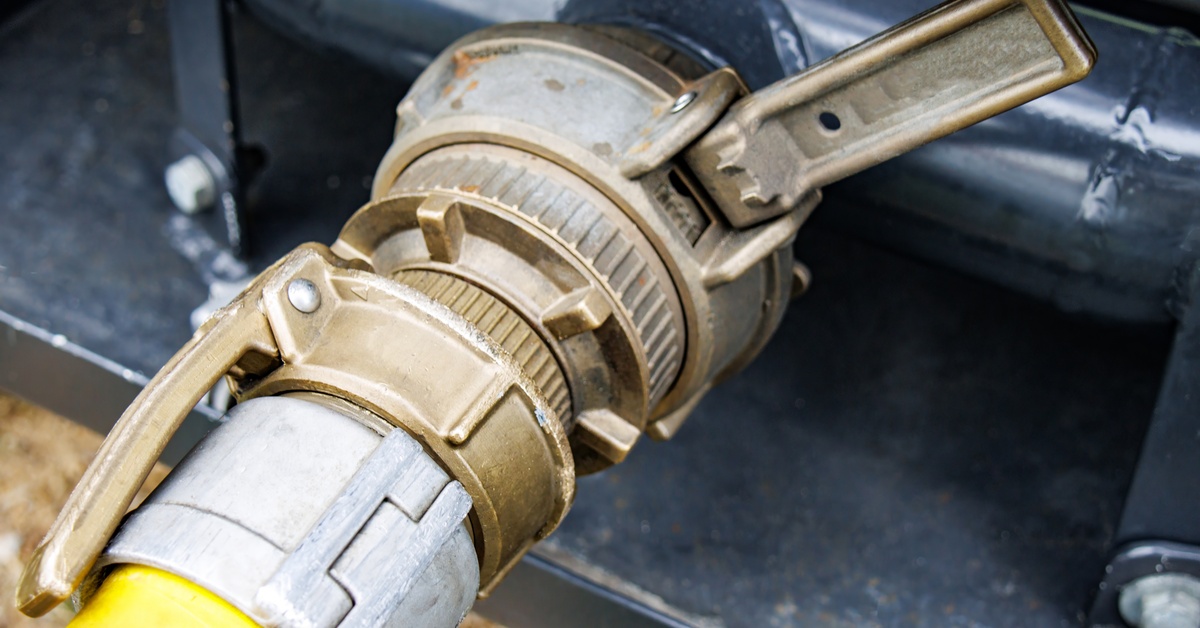
Vacuum truck operators need reliability above all else. A failed connection can slow a job or create a hazardous mess.
Camlock couplings usually fit better in this environment. They handle thick materials, resist wear, and maintain a strong seal even when conditions get rough.
Quick-release options can work in lighter-duty setups, especially when operators need to switch lines frequently. Still, they don’t always match the toughness required for heavy wastewater applications.
That’s why many crews stick with camlock connectors for their core systems.
Job sites don’t treat equipment gently. Couplings take hits, get dragged, and deal with constant pressure changes.
Camlock couplings hold up well because of their simple, rugged design. Fewer moving parts mean fewer things break.
Quick-release couplings include more internal components. Springs, seals, and valves can wear out faster, especially in dirty environments.
If you want something that survives long-term abuse, camlocks usually come out ahead.
Ease of use matters when you work long hours or deal with tight schedules.
Quick-release couplings shine here. You connect and disconnect them fast, often with one hand. That speed helps when you switch hoses often.
Camlock couplings still offer easy operation, but they require both hands to lock the arms properly. That extra step adds a few seconds but gives you a more secure connection.
Every coupling needs maintenance, but the level of effort differs.
Camlock couplings require basic care:
Quick-release couplings need more attention. Internal components require inspection and occasional replacement. Dirt and debris can affect performance if they get inside the mechanism.
If you want lower maintenance, camlocks usually win.
Safety always comes first, especially when you deal with wastewater or hazardous materials.
Camlock couplings provide a strong mechanical lock. Once you secure the arms, the connection stays in place unless someone manually opens it.
Quick-release couplings offer built-in shutoff features in many designs. That reduces spills during disconnection, which adds a safety advantage in certain situations.
Still, their locking mechanisms can wear over time, so regular inspection matters.
Initial cost and long-term value both play a role in your decision.
Camlock couplings often cost less upfront and last longer. Their simple design reduces replacement frequency, which saves money over time.
Quick-release couplings may cost more initially. Replacement parts and maintenance can add to long-term expenses.
If you focus on durability and cost efficiency, camlocks usually provide better value.
Camlock couplings make sense when you need strength and reliability.
They work best in:
If your setup demands toughness, camlocks deliver.
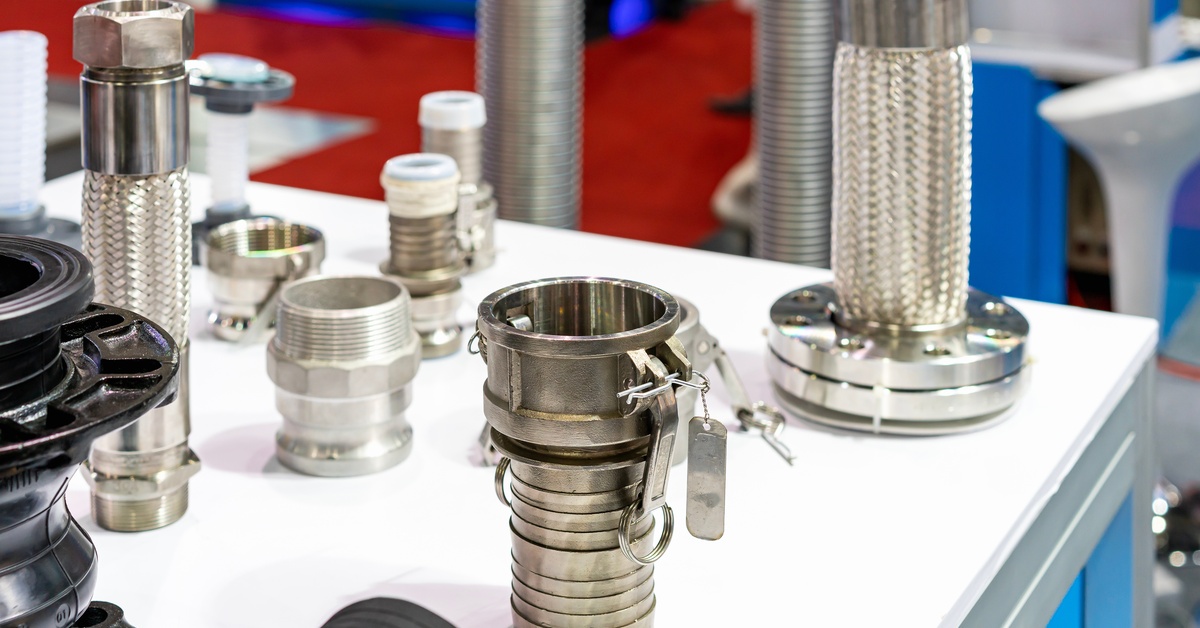
Quick-release couplings fit jobs that prioritize speed and convenience.
They work well in:
If you need fast connections and minimal downtime, they offer real advantages.
The right coupling depends on how you work, not just what looks good on paper.
Ask yourself:
Your answers point you in the right direction.
Most wastewater and septic operators lean toward camlock couplings because they match the demands of the job. Quick-release options still play a role, especially in specialized setups.
Both coupling types solve real problems. The difference comes down to how they perform under your specific conditions.
Camlock couplings bring strength, simplicity, and long-term reliability. Quick-release couplings bring speed and convenience with added features.
If you work in demanding environments like septic or hydro-excavation, camlocks usually handle the job better. If you need quick swaps and cleaner disconnects, quick-release couplings might fit your setup.
The best choice keeps your operation running smoothly, safely, and without unnecessary downtime.