Author: Tyler Mashek
Selecting the right pump for a wastewater application influences operating costs, maintenance schedules, equipment life, and overall job efficiency. Whether you work in septic services, municipal wastewater, industrial waste removal, or portable sanitation, matching the pump to the application helps prevent costly downtime and unnecessary repairs.
Wastewater systems handle a wide range of materials, from relatively clean liquids to heavy sludge containing solids, grease, and debris. No single pump works well for every situation. Understanding how different pump designs operate and where they perform best makes it much easier to choose equipment that delivers reliable results.
Every wastewater application presents different challenges. Some jobs require moving large volumes of liquid quickly, while others involve thick sludge or abrasive materials that place heavy demands on equipment.
Choosing the wrong pump often leads to problems such as:
A properly matched pump keeps operations moving while minimizing service interruptions.
Before selecting a pump, evaluate exactly what the pump will handle.
Questions worth asking include:
These factors narrow the list of suitable pump designs and materials.
For example, wastewater from a residential septic system differs significantly from industrial wastewater or municipal sewage. Each application places different demands on the equipment.
Many people use the word "pump" to describe several different pieces of equipment, but wastewater operations often rely on multiple pump types.
A vacuum pump removes air from a tank to create negative pressure. That vacuum pulls wastewater into the tank once operators open the valves. The pump itself moves air rather than the wastewater. This design makes vacuum systems ideal for septic trucks, portable restroom service, hydro excavation, and similar applications.
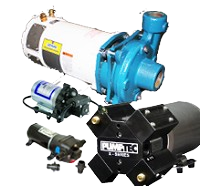
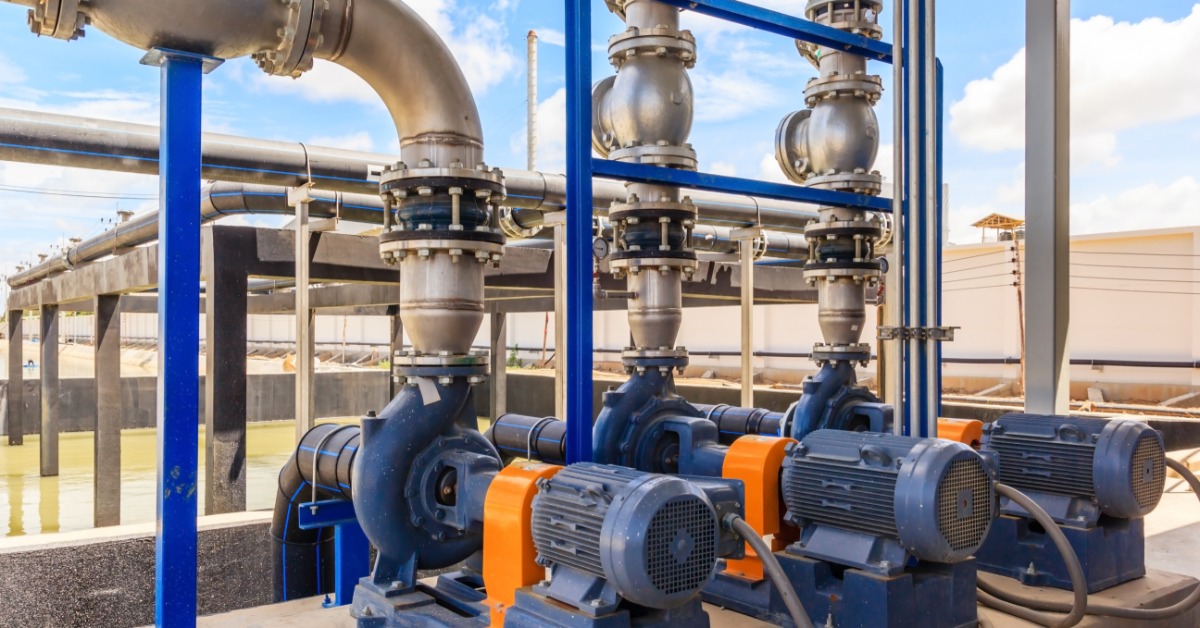
Liquid pumps operate differently. They move the wastewater directly using an impeller, diaphragm, or another pumping mechanism that creates pressure. These pumps transfer liquids through piping or discharge hoses after collection.
Understanding this distinction helps operators select equipment that matches the job instead of forcing one type of pump into an application it was never designed to handle.
Not all wastewater contains the same debris.
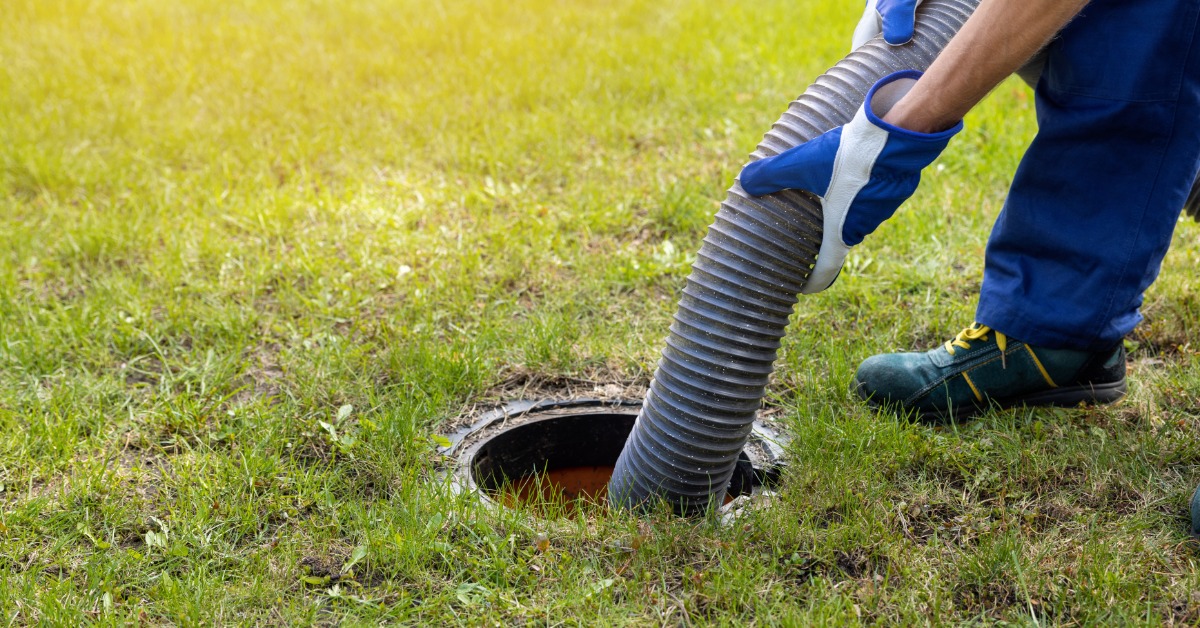
Some systems move mostly liquid with minimal suspended particles. Others regularly encounter wipes, paper products, sand, gravel, sludge, or organic material. Pump designs vary greatly in their ability to handle solids.
Centrifugal pumps generally work well with smaller suspended solids when sized correctly.
Positive displacement pumps often perform better when handling thicker materials or sludge because they maintain consistent flow regardless of system pressure.
Grinder pumps reduce larger solids before pumping them through smaller piping systems.
Evaluating the solids content before purchasing equipment helps avoid repeated clogging and excessive maintenance.
Bigger does not always mean better. Oversized pumps often waste energy while increasing operating costs. Undersized pumps struggle to keep up with demand and experience unnecessary wear.
Flow requirements depend on several factors:
Selecting the proper capacity creates an efficient balance between productivity and operating costs.
Flow rate tells only part of the story.
Total Dynamic Head (TDH) measures the total resistance the pump must overcome while moving wastewater through the system.
TDH includes:
Even a high-capacity pump can struggle if engineers fail to account for system resistance during selection.
Reviewing the pump performance curve against expected TDH ensures the equipment operates within its most efficient range.
Wastewater environments expose pumps to moisture, corrosion, chemicals, and abrasive materials.
Construction materials significantly affect service life.
Cast iron remains popular because it provides strength and durability for many wastewater applications. Stainless steel offers superior corrosion resistance in chemically aggressive environments. Certain elastomers improve sealing performance while resisting wastewater contaminants.
Choosing durable materials reduces repairs and extends equipment life, especially for fleets operating every day.
Every pump requires maintenance eventually. The difference lies in how easily technicians can perform routine service.
When comparing pumps, consider questions like:
Simple maintenance often translates into less downtime and lower long-term operating costs.
Companies that support wastewater professionals with replacement components and knowledgeable service help keep equipment working when schedules become busy. VARCo serves wastewater professionals nationwide by supplying equipment and accessories for septic operators, hydro excavation contractors, municipal waste operations, and related industries.
Pump performance also depends on how operators power the equipment.
Common options include hydraulic, PTO-driven, diesel-powered, gasoline-powered, and electric systems. Each offers advantages depending on the application.
Electric pumps often provide quiet operation with lower emissions for stationary installations.
Diesel-powered units frequently work well on remote job sites where electrical service remains unavailable. Hydraulic systems integrate efficiently with many service trucks.
Selecting the proper power source depends on mobility requirements, operating environment, available infrastructure, and expected workload.
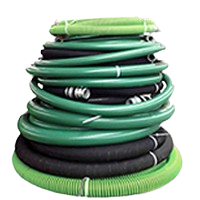
Even an excellent pump cannot perform efficiently with undersized or mismatched hoses. Improper hose sizing increases friction loss, reduces flow, and forces the pump to work harder.
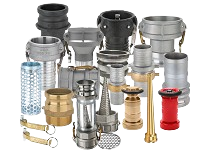
Connection compatibility also matters. Proper fittings help prevent leaks while maintaining consistent system pressure or vacuum.
Operators should evaluate the entire transfer system rather than focusing only on the pump itself.
The right combination of hoses, fittings, valves, and accessories creates a more reliable wastewater operation.

Many businesses purchase equipment based only on current workloads. However, wastewater operations often expand over time.
Larger service areas, additional trucks, or new customer types may require greater pumping capacity in the future.
Purchasing equipment with reasonable room for growth can delay expensive upgrades while supporting business expansion.
At the same time, avoid purchasing oversized equipment that never reaches efficient operating conditions.
Finding the right balance helps maximize return on investment.
Equipment eventually requires replacement parts, technical assistance, or troubleshooting.
Manufacturer support plays an important role throughout the pump's life.
Reliable suppliers typically provide:
Working with experienced suppliers simplifies maintenance planning and reduces downtime when problems occur.
Properly matched equipment moves wastewater efficiently, minimizes service interruptions, reduces repair costs, and extends equipment life. Operators spend less time troubleshooting mechanical issues and more time completing jobs.
Reliable pumping equipment also helps businesses maintain consistent scheduling, improve customer satisfaction, and reduce unexpected downtime.
Whether you operate septic trucks, municipal service vehicles, hydro excavation equipment, or industrial wastewater systems, selecting the appropriate pump creates long-term value that extends well beyond the initial purchase. Even supporting equipment like water pumps plays an important role when managing fluid movement across different wastewater operations, making proper equipment selection essential for dependable performance.