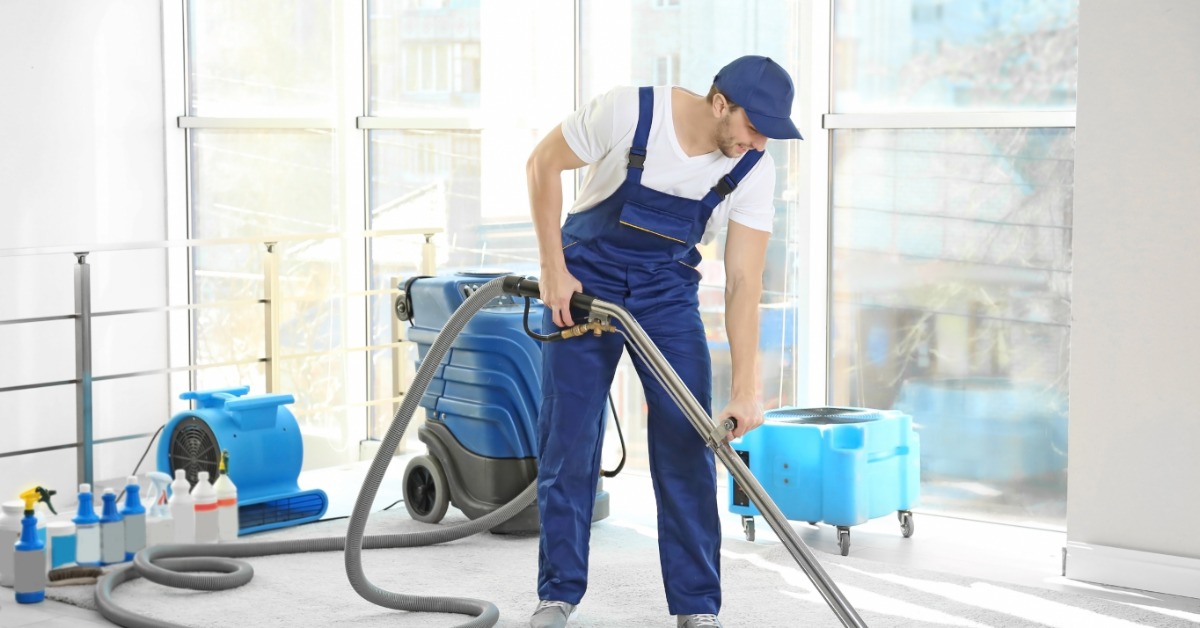
Author: Tyler Mashek
Carpet cleaning requires more than the right cleaning solution and technique. The pump you choose directly affects water pressure, chemical application, extraction performance, productivity, and overall cleaning results. Whether you operate a portable extractor or a truck-mounted system, selecting the right pump helps you clean efficiently while protecting your equipment from unnecessary wear.
Different carpet cleaning applications demand different pump designs. Understanding how each type works and what factors matter most makes it much easier to choose equipment that fits your business. By matching the pump to your cleaning system, you can improve performance, reduce downtime, and deliver more consistent results.
Every carpet cleaning system depends on pumps to move water or create suction. Without reliable pump performance, cleaning efficiency drops quickly.
Most carpet cleaning machines rely on two primary systems:
Each system performs a different job, so selecting the proper pump for each function plays a major role in overall machine performance.
Not every pump performs the same task. Knowing the difference helps prevent purchasing equipment that doesn't meet your cleaning needs.
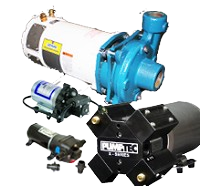
Water pumps generate pressure that forces cleaning solution through hoses and spray wands. They typically use diaphragm or plunger designs depending on the equipment.
These pumps determine:
Higher-quality pumps maintain steady pressure throughout the cleaning process.
Unlike water pumps, vacuum pumps remove air from the recovery tank to create suction. The resulting vacuum lifts dirty water and debris from the carpet rather than moving liquid directly through the pump. This distinction matters because vacuum pumps handle airflow instead of wastewater, making them ideal for extraction systems. Choosing the correct vacuum pump improves recovery speed and helps carpets dry faster.
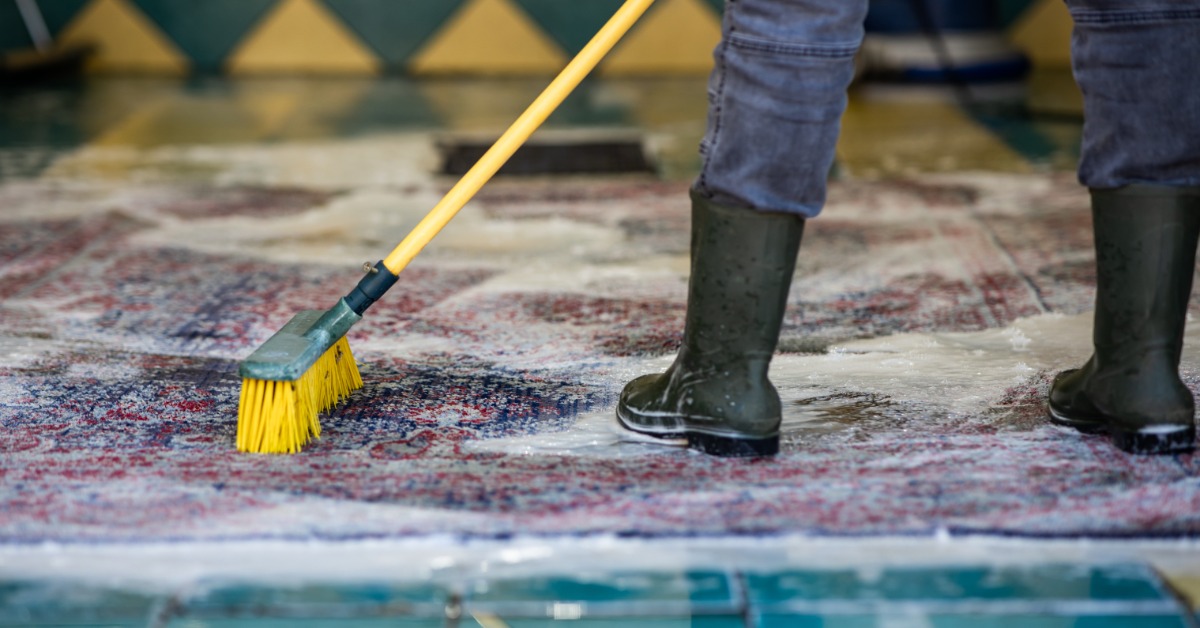
Portable carpet extractors and truck-mounted units place very different demands on pumps.
Portable machines often prioritize compact size, moderate pressure, and lower electrical requirements. Truck-mounted equipment usually delivers much higher pressure and stronger vacuum performance for larger commercial jobs.
Purchasing a pump designed for your equipment helps maximize efficiency while avoiding unnecessary costs.
Pressure plays a significant role in carpet cleaning performance.
Lower pressure works well for delicate rugs and residential applications, while commercial jobs often benefit from higher operating pressures.
Common pressure ranges include:
Using more pressure than necessary rarely improves cleaning. Instead, proper pressure combined with good technique usually produces the best results.
Pressure often gets most of the attention, but flow rate matters just as much.
Flow rate measures how much water the pump delivers over time. Too little flow reduces rinsing capability. Excessive flow may leave carpets overly saturated.
Finding the proper balance between pressure and flow allows operators to remove more soil, improve rinse performance, reduce drying times, and increase productivity.
Pump manufacturers typically provide both pressure and flow specifications to help buyers compare models.
Carpet cleaning chemicals expose pumps to detergents, rinse agents, and varying water conditions.
Quality construction materials extend pump life considerably.
Many professional-grade pumps feature:
These components withstand demanding operating conditions far better than lower-cost alternatives.
Durable construction also reduces maintenance frequency and lowers long-term operating costs.
Some pumps operate continuously, while others perform best with intermittent use.
Duty cycle describes how long a pump can safely run before cooling becomes necessary.
Professional cleaning companies that complete multiple jobs every day should prioritize pumps designed for continuous operation. Residential users with occasional cleaning needs may not require industrial-duty equipment.
Selecting a pump with an appropriate duty cycle helps prevent overheating and premature failure.
Even high-quality pumps require routine maintenance, so it’s important to stay on top of it as much as possible.
Simple maintenance tasks often include:
Following manufacturer recommendations keeps pumps operating efficiently and extends service life.
Routine inspections also allow operators to identify small issues before they become expensive repairs.
Carpet cleaning equipment uses several different power sources.
Electric pumps remain common in portable extractors because they provide quiet operation and straightforward maintenance.
Truck-mounted systems often rely on gasoline or diesel engines that drive larger pumps capable of higher output.
When comparing equipment, consider:
Matching the power source to your workflow improves convenience and reliability.
A quality pump cannot perform properly if the hoses create unnecessary restrictions.
Hose diameter, length, and pressure rating all influence system performance.
Longer hoses create greater pressure losses, requiring the pump to work harder. Properly sized hoses help maintain consistent pressure throughout the system.
Using compatible fittings also minimizes leaks that reduce cleaning efficiency.
Downtime affects productivity far more than many operators expect.
A failed pump can delay jobs, frustrate customers, and create costly emergency repairs.
Reliable pumps often cost more initially, but they frequently reduce overall ownership costs by lasting longer and requiring fewer repairs. Professional contractors often view pump quality as an investment rather than an expense.
Older pumps gradually lose efficiency through normal wear.
Several warning signs suggest replacement may make more sense than repair.
Watch for:
Replacing a worn pump before complete failure often prevents interruptions during busy work schedules.
Pump specifications can appear confusing, especially when comparing multiple manufacturers.
Working with an experienced supplier helps ensure you purchase equipment designed for your specific cleaning application. A knowledgeable supplier can explain performance ratings, compatibility requirements, maintenance expectations, and replacement options before you invest.
If you're researching vacuum pumps for sale, choose a supplier that understands industrial pumping applications and offers quality components backed by product expertise. Companies with broad inventory and technical knowledge can help match the right pump to your equipment instead of relying solely on generic specifications.
Choosing the right pump for carpet cleaning jobs involves much more than selecting the highest pressure rating. Water pressure, flow rate, duty cycle, construction materials, maintenance requirements, and equipment compatibility all influence cleaning performance and long-term reliability.
By understanding the differences between water pumps and vacuum systems, operators can make informed purchasing decisions that improve efficiency and reduce downtime. Investing in quality equipment from a knowledgeable supplier helps ensure your carpet cleaning system delivers dependable performance for years to come while supporting productive, professional results.