Author: Tyler Mashek
Selecting the appropriate camlock material is an important decision that directly impacts the performance, durability, and safety of your fluid transfer system. Each material possesses distinct properties that make it suitable for specific environments and applications. A thorough understanding of these materials ensures efficiency and longevity, preventing costly failures and system downtime. The correct choice depends on several factors, including the type of fluid being transferred, the operating temperature, and environmental conditions.
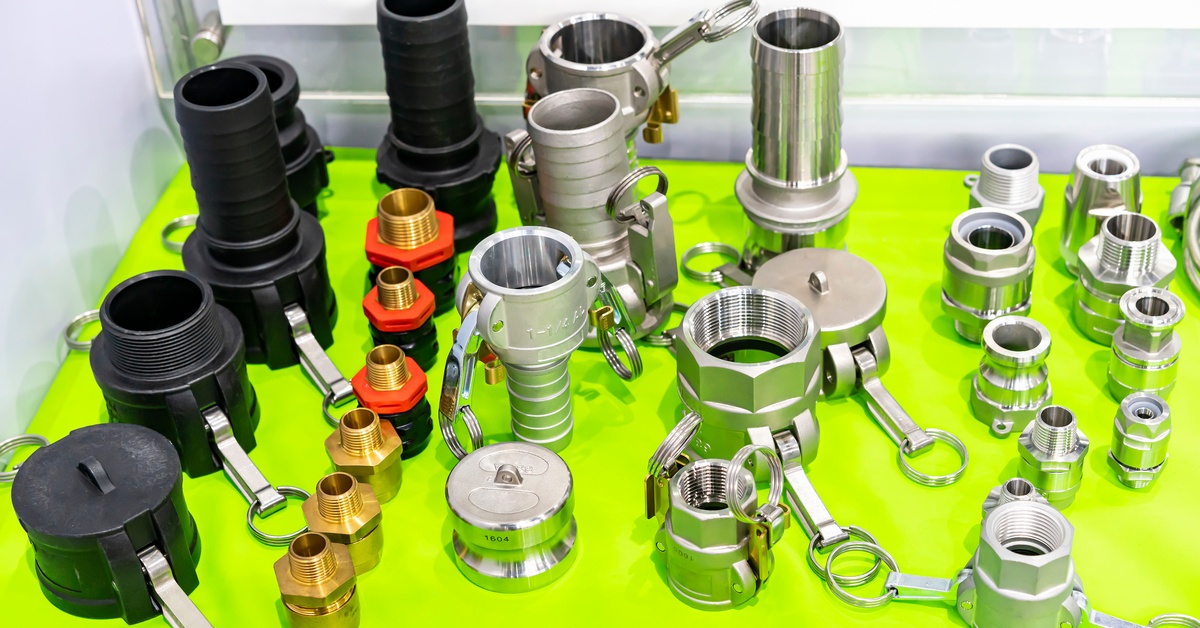
Let’s take a look at the primary materials used for camlock fittings: polypropylene, nylon, aluminum, brass, and stainless steel. We’ll detail the unique characteristics, advantages, and typical applications for each. By examining these materials, you can make an informed decision that aligns with your specific operational requirements, ensuring a reliable and secure connection for your fluid transfer needs.
Manufacturers construct polypropylene camlocks from a thermoplastic polymer known for its excellent chemical resistance and low cost. This material performs well in applications involving water, wastewater, and a wide range of acids and bases. Its lightweight nature makes it easy to handle and install, which is particularly beneficial for portable setups or applications requiring frequent assembly and disassembly.
Polypropylene fittings are suitable for ambient temperatures, but performance degrades at higher temperatures, so you should use them in environments below 180°F (82°C). Common industries that use polypropylene fittings include agriculture for fertilizer and pesticide distribution, chemical processing for transferring mild chemicals, portable toilet sanitation trucks, and general industrial use for water transfer. Their affordability makes them a popular choice for non-critical applications where corrosion resistance is necessary but the mechanical stress is minimal.
Nylon camlocks provide a step up in mechanical strength and temperature resistance compared to polypropylene. This polyamide material offers good chemical resistance, particularly against solvents, oils, and fuels. Its higher tensile strength and rigidity make it more durable and resistant to impact and abrasion, extending its service life in more demanding conditions.
Often reinforced with glass mixed into the polymer aiding in the material's enhanced durability. Its light weight and increased durability make it a preferred choice for industrial applications involving petroleum-based products, agricultural spraying, and certain chemical transfer processes. While nylon is more expensive than polypropylene, its superior mechanical properties justify the cost in applications where greater strength and temperature tolerance are necessary for safe and reliable operation.
Aluminum camlocks offer a lightweight yet durable solution for various fluid transfer applications. This material provides good corrosion resistance in many environments and is significantly lighter than other metal options like brass or stainless steel. Aluminum is an excellent choice for applications where weight is a primary concern, such as in portable pumping systems or on transportation vehicles.
Aluminum fittings are not suitable for use with highly corrosive chemicals, strong acids, or alkaline solutions. They excel in applications involving water, oil, and some petroleum products. The fuel industry frequently uses aluminum camlocks for tanker trucks and fueling stations because of the material's light weight and compatibility with petroleum products. Aluminum cam and groove fittings are also industry standard for septic pumpers, who need easy ways of connecting hoses to their truck and potentially making extension connections to reach a septic tank for pumping.
Brass, an alloy of copper and zinc, delivers excellent corrosion resistance, especially against water, fuels, and many chemicals. This material is harder and more durable than aluminum, providing superior wear resistance in applications that involve frequent coupling and uncoupling. Brass camlocks are a reliable choice for long-term use in moderately corrosive environments.
They also perform well at elevated temperatures. Their durability and corrosion resistance make them ideal for marine applications, industrial water lines, and hydraulic systems. While brass is heavier and more expensive than aluminum, its enhanced toughness and resistance to corrosion make it a cost-effective option for applications requiring a more robust fitting.
Among common camlock materials, stainless steel camlocks provide the highest level of durability, corrosion resistance, and temperature tolerance. This alloy contains molybdenum, which significantly enhances its resistance to pitting and crevice corrosion, particularly in chloride-rich environments like saltwater or when handling corrosive chemicals.
These fittings can withstand extreme temperatures, both high and low. Their superior strength and chemical compatibility make them the standard choice for demanding industries, including food and beverage processing, pharmaceutical manufacturing, and aggressive chemical handling. The smooth, non-porous surface of 316 grade stainless steel is also easy to clean and sanitize, a critical requirement for hygienic applications. Although stainless steel is the most expensive option, its exceptional performance and long service life provide the best value in harsh or critical applications.
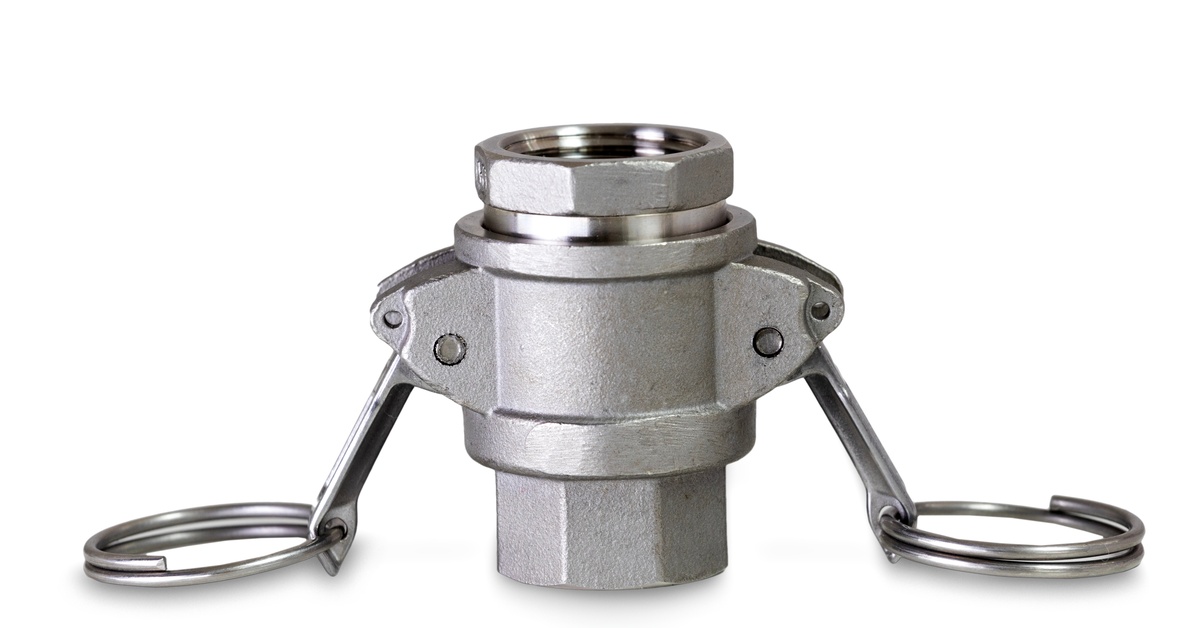
You must consider the chemical compatibility of the camlock material with the fluid it will handle. Using an incompatible material can lead to rapid degradation of the fitting, resulting in leaks, system failure, and potential safety hazards. For instance, while polypropylene offers good resistance to many acids, it may not be suitable for certain organic solvents. Stainless steel provides broad chemical resistance, but even it can be attacked by specific highly aggressive chemicals. Always consult a chemical compatibility chart to verify that the chosen material is appropriate for the specific fluid
While the system of cam and groove fittings makes for an excellent choice in vacuum and suction applications. They typically tend to have relatively low positive pressure ratings, usually around 250 PSI or lower, regardless of a fitting’s material. If you plan to pressurize hoses, you will need to consider a cam fitting with an extra locking mechanism to secure the camlock coupling ears in place.
Because the system closes and opens so easily at the coupling points, regular camlock fittings run the risk of the positive pressure from the inside of a line blowing apart as the air or fluid passing through it is attempting to move through the path of least resistance to the lower external pressure, which will always be at connection points.
You must also evaluate the operating temperature range. Thermoplastic materials like polypropylene and nylon have lower temperature limits compared to metals. Exposing them to temperatures beyond their rating can cause them to soften, deform, and fail. Metal camlocks, particularly stainless steel, can handle a much wider range of temperatures, making them suitable for both cryogenic applications and high-temperature processes.
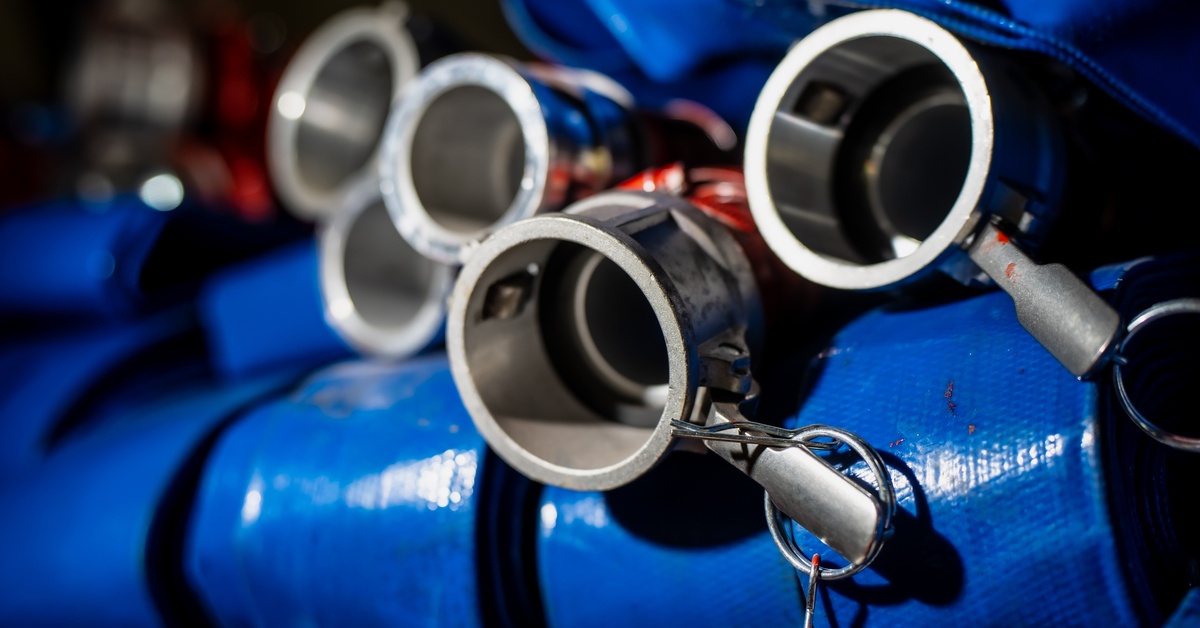
The external environment where the camlock will be used also plays a role. In marine or coastal environments with high salt exposure, stainless steel is the preferred choice due to its excellent resistance to chloride-induced corrosion. For general outdoor use where fittings are exposed to weather, brass or stainless steel camlock connectors offer better longevity than aluminum, which can corrode over time.
Finally, consider how often the fittings will be connected and disconnected. For applications involving frequent use, a more durable material like brass or stainless steel is recommended. These metals can withstand the repeated wear and tear of coupling and uncoupling better than softer materials like aluminum or plastics. This durability ensures a secure connection and a longer service life, reducing the need for frequent replacements.
Making the right material choice for your camlock fittings is important for ensuring the safety, efficiency, and reliability of your fluid transfer operations. By carefully considering factors such as chemical compatibility, pressure, temperature, and environmental conditions, you can select the material that best meets the demands of your specific application. From the affordability of polypropylene to the unmatched durability of stainless steel, a camlock material exists to suit every need.