Author: Tyler Mashek
Plumbing and wastewater professionals rely on inspection cameras to diagnose problems inside pipes without digging or dismantling systems. These tools help operators locate blockages, cracks, root intrusion, and other issues that hide underground.
Two main types dominate the industry: pushrod inspection cameras and crawler inspection cameras. Each system works differently and serves specific applications. Choosing the right one affects inspection speed, accuracy, and overall efficiency on the job.
Operators in wastewater, septic, and municipal services often evaluate both options before investing in equipment. Understanding the strengths and limitations of each camera system helps technicians match the right tool to the job.
Pipe inspection cameras allow operators to view the inside of pipelines in real time. The camera head travels through the pipe while transmitting video to a monitor above ground.
Technicians use these systems to inspect:
These inspections help crews identify damage and determine repair strategies before excavation begins. Many contractors consider inspection cameras essential equipment for maintenance and troubleshooting.
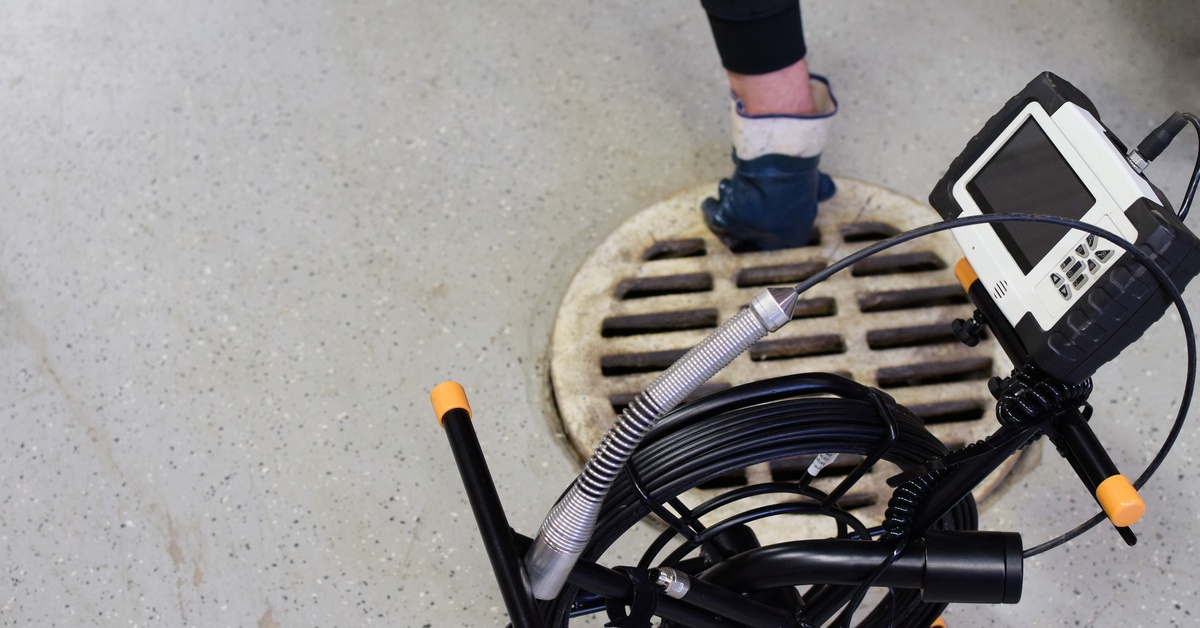
Pushrod inspection cameras use a flexible fiberglass cable that technicians manually push through a pipe. A camera sits at the end of the rod and sends video footage back to a monitor.
The pushrod design allows the camera to navigate bends and turns inside smaller pipelines. Operators feed the cable through the pipe until they reach the area requiring inspection.
Pushrod systems usually include:
These systems offer portability and simplicity. Many septic and plumbing professionals use pushrod cameras for residential or smaller commercial pipe inspections.
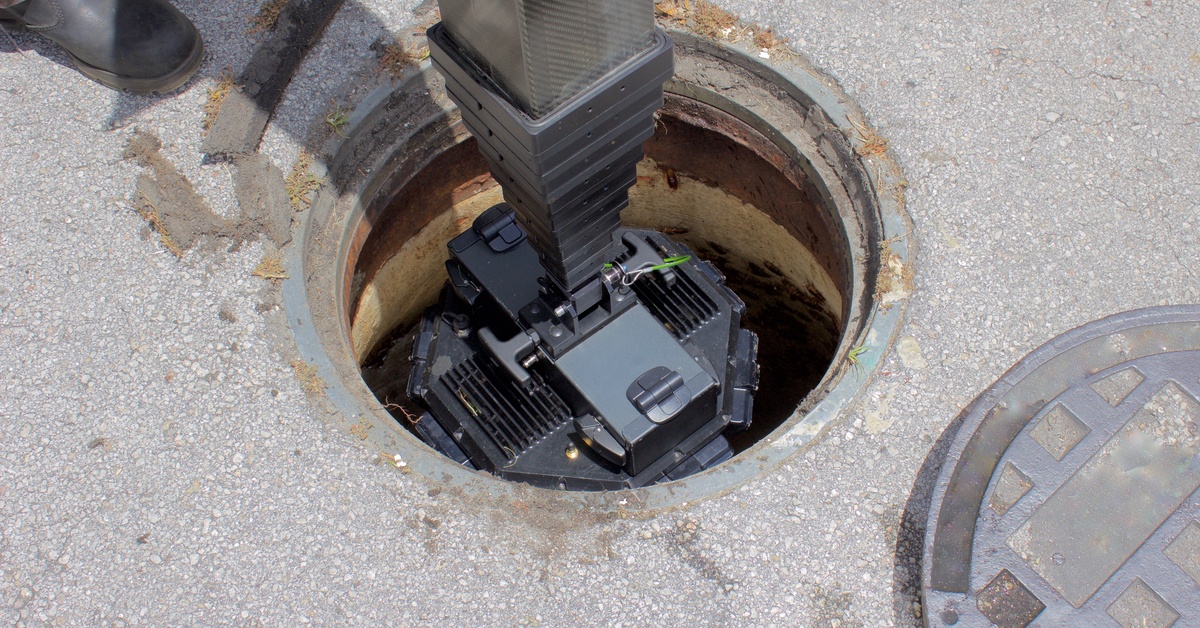
Crawler inspection cameras operate like small robotic vehicles. Instead of pushing a cable, operators remotely drive the camera through the pipe using motorized wheels or tracks.
The crawler carries the camera and lighting system while transmitting live footage to a control unit. Operators control movement, speed, and direction using a joystick or remote interface.
Crawler cameras typically include:
This design allows the camera to travel long distances through larger pipes without manual force.
Pushrod systems rely on manual force. The technician feeds the rod into the pipe while guiding the camera forward.
The rod provides enough stiffness to push through the pipeline while maintaining flexibility to navigate bends. Many systems include distance markers along the cable so operators know how far the camera has traveled.
Pushrod cameras perform best in:
The manual design keeps equipment simple and portable.
Crawler cameras move using motorized wheels or tracks. Operators steer the camera remotely while watching the video feed on a monitor.
The camera platform drives itself through the pipeline. This design eliminates the need to push equipment long distances.
Crawler systems excel in:
Many units also include pan-and-tilt cameras that allow operators to inspect pipe walls and joints from multiple angles.
Pipe diameter plays a major role when choosing between pushrod and crawler cameras.
Pushrod systems work best in smaller pipelines. Their flexible rod allows the camera to pass through bends and tight spaces common in residential plumbing.
Crawler cameras require larger pipe diameters so the robotic vehicle can move freely. Municipal sewer lines and large industrial pipes typically accommodate these systems.
Most contractors choose pushrod cameras for pipes under 6 inches in diameter. Larger lines often require crawler units for reliable inspections.
Inspection length also influences camera selection.
Pushrod cameras typically reach distances between 100 and 300 feet depending on the system. The technician must physically push the rod through the pipe, which limits total range.
Crawler systems travel much farther. Some models inspect pipelines thousands of feet long.
Long municipal lines, storm drains, and large sewer infrastructure benefit from crawler systems. The motorized design allows consistent movement without manual effort.
Professionals inspecting extensive pipelines often rely on crawler equipment instead of pushrod systems.
Both systems deliver high-quality video, but crawler cameras usually provide greater control.
Pushrod cameras point straight ahead and move with the rod. Some models include self-leveling cameras that keep the video upright.
Crawler cameras offer more advanced features such as:
These features allow operators to examine pipe defects from multiple angles.
In large infrastructure inspections, camera control becomes critical for identifying structural damage or joint failures.
Pushrod inspection cameras excel in portability. Many systems fit inside compact reels that technicians can easily transport.
Operators can set up quickly and begin inspections within minutes. This convenience makes pushrod cameras ideal for service technicians who work at multiple job sites each day.
Crawler systems require more setup. The robotic unit, control console, and tether cable often arrive in larger equipment cases.
Municipal inspection crews or contractors working on long pipeline projects commonly use crawler systems despite the additional setup time.
Inspection cameras operate in harsh environments that include water, debris, grease, and corrosive materials.
Pushrod cameras contain fewer mechanical components. The simpler design reduces maintenance requirements and repair costs.
Crawler cameras include motors, drive systems, and steering components. These moving parts require more maintenance and occasional servicing.
However, crawler units often feature rugged construction designed for demanding municipal applications.
Operators working with sewer cameras in heavy-duty environments often choose crawler systems built to withstand extreme conditions.
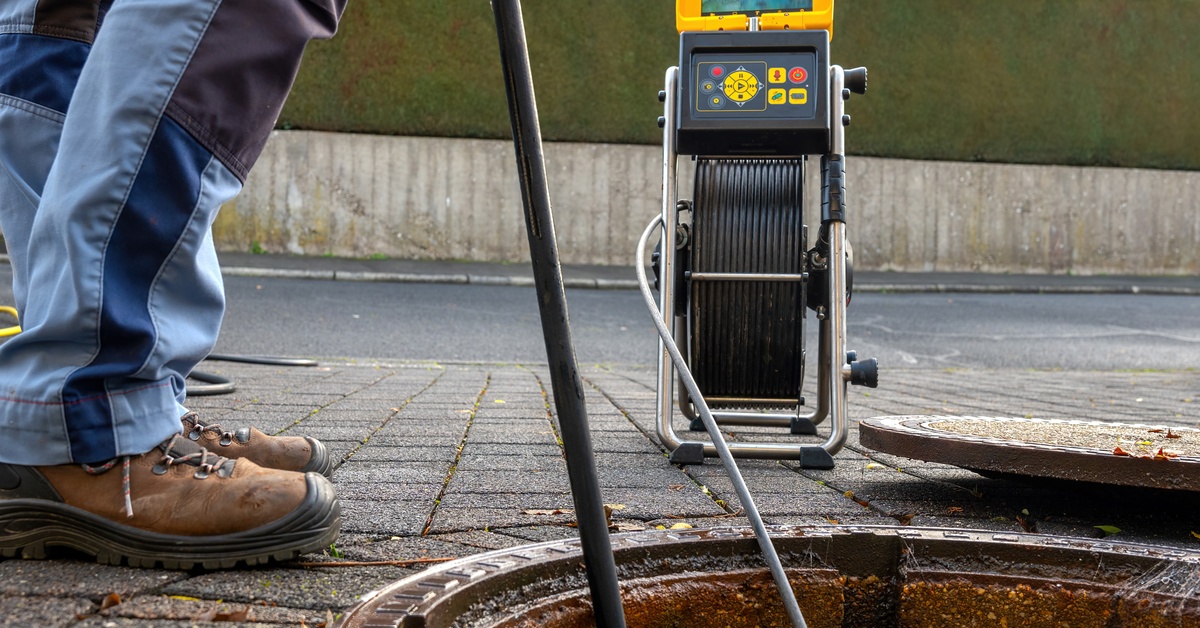
Pushrod inspection cameras remain popular across the plumbing and septic industries.
These systems perform well when technicians inspect smaller pipelines or residential systems.
Pushrod cameras make sense when:
Service professionals often keep pushrod systems in their trucks because they handle the majority of everyday inspection tasks.
Crawler inspection cameras provide clear advantages in large-scale pipeline work.
Municipal infrastructure inspections frequently involve long pipelines and large diameters that pushrod systems cannot handle efficiently.
Crawler systems work best when:
Municipal crews and contractors performing large sewer inspections often rely on crawler technology.
Both pushrod and crawler inspection cameras serve valuable roles in pipeline diagnostics. Each system solves specific challenges depending on pipe size, inspection distance, and job complexity.
Pushrod cameras provide flexibility and portability for smaller pipelines and residential systems. Crawler cameras offer robotic mobility and advanced imaging for large municipal infrastructure.
Understanding these differences helps wastewater professionals select the right equipment for their daily operations. The right inspection camera improves diagnostic accuracy, reduces labor, and speeds up problem detection in complex pipeline systems.
For professionals working in septic, municipal, or industrial wastewater environments, selecting the proper inspection camera often determines how efficiently a crew can locate and solve underground pipe problems.