Author: Tyler Mashek
Property owners rely on accurate data to maintain the structural integrity of their plumbing systems. In the realm of modern plumbing diagnostics, video technology serves as a primary tool for assessing the condition of underground utilities. However, misinformation surrounds the capabilities and limitations of this technology.
Many individuals hold incorrect assumptions about what a sewer camera can detect, how the equipment functions, and when a professional should deploy it. These misconceptions often lead to unnecessary expenses, delayed repairs, or a false sense of security regarding the state of a drainage system. Understanding the technical reality of video inspections ensures that property owners make informed decisions regarding their sanitation infrastructure. We will examine the specific technical limitations and operational realities of this diagnostic method.
A prevalent misunderstanding of what sewer cameras can detect suggests that a video inspection will definitively locate a leak within a sewer line. This assumption is technically inaccurate. A camera provides visual data regarding the interior surface of the pipe. It captures images of corrosion, root intrusion, fractures, and disjointed connections. However, a camera cannot visualize water leaving the pipe unless a visible void exists where fluid actively flows out during the inspection.
Small hairline cracks or loose fittings may allow sewage to exfiltrate into the surrounding soil without presenting visual evidence on a monitor. Hydrostatic pressure testing serves as the correct diagnostic method for confirming water tightness. The camera identifies the location of structural defects that likely cause a leak, but it does not inherently detect the leak itself.
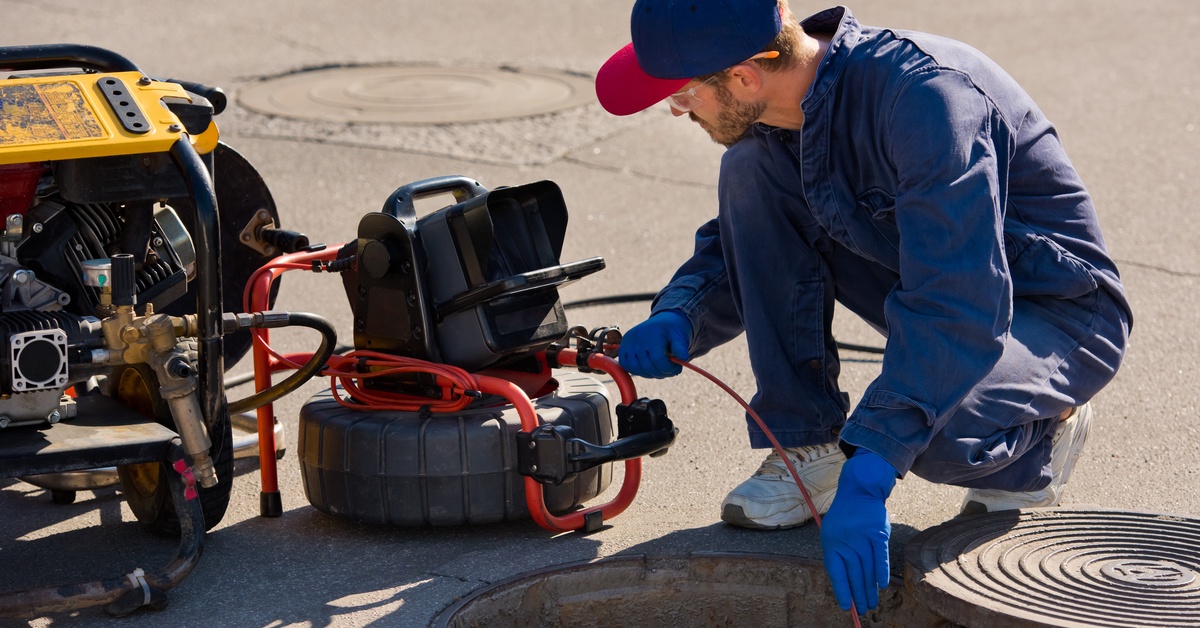
Purchasers of newly constructed properties often bypass sewer inspections, assuming that new materials equate to flawless function. This oversight poses significant risks. During the construction process, heavy machinery compresses the soil, which can crush or misalign newly installed PVC pipes. Additionally, general contractors or subcontractors may inadvertently sweep construction debris, such as drywall compound, lumber, or concrete, into open drains before capping them.
Furthermore, "bellies" or sags in the line can occur if the plumbing contractor fails to grade the trench bed correctly before laying the pipe. These low spots collect water and solids, leading to immediate blockages despite the age of the system. An inspection verifies that the installation meets code requirements and functions correctly from day one.
A sewer camera functions strictly as a diagnostic observation device. It possesses no mechanical capability to remove blockages. The camera head contains a lens and lighting array, not cutting blades or high-pressure water jets. If an operator encounters a total blockage, such as a severe grease impaction or a dense root mass, the camera often cannot pass through the obstruction to see what lies beyond it.
Technicians must utilize a hydro-jetter or a mechanical snake to clear the line before the camera can inspect the full length of the pipe. The video verifies the success of the cleaning process but plays no active role in the physical removal of debris.
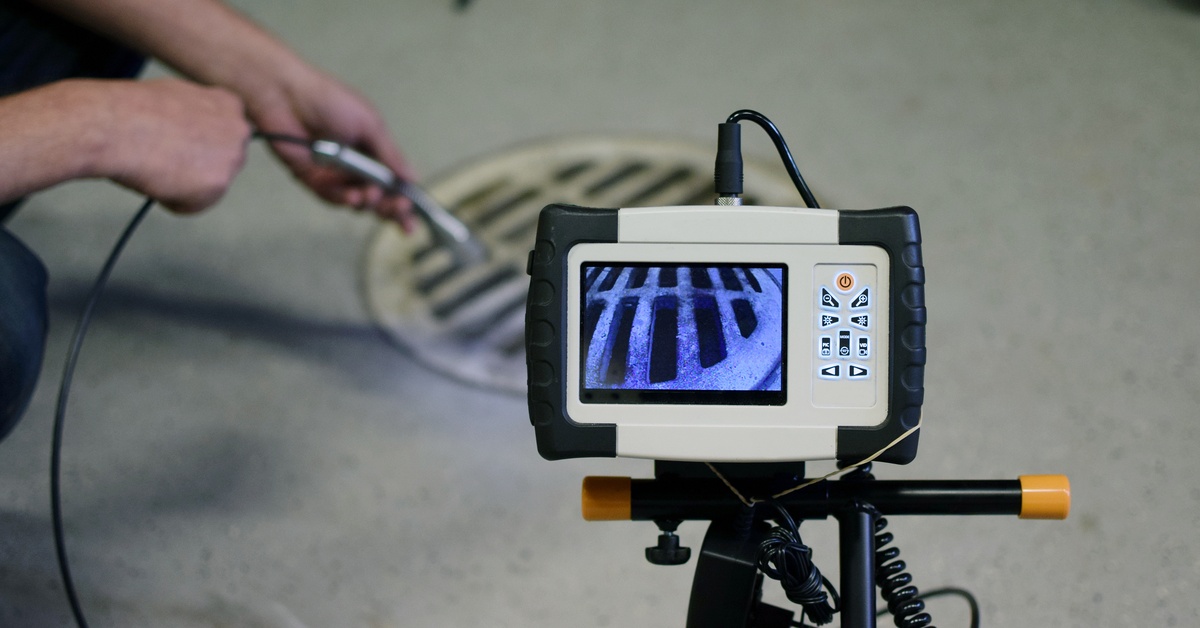
Some property owners fear that inspection requires digging up the yard to access the pipe. In the vast majority of residential and commercial scenarios, this is false. Technicians access the sewer lateral through existing entry points known as "cleanouts." These access points typically appear as capped pipes protruding from the ground near the foundation or within the basement floor.
If a property lacks a visible cleanout, technicians can often access the main line by removing a toilet or accessing a roof vent stack. Modern trenchless diagnostic protocols prioritize non-invasive entry to preserve the landscaping and structural elements of the property while gathering necessary data.
The camera head captures video, but the video feed alone does not tell the technician where the pipe lies underground or how deep it is. To determine location and depth, the equipment requires a built-in sonde. A sonde is a radio transmitter located inside the camera head that emits a specific frequency, typically 512 Hz.
The technician must use a separate digital locator above ground to detect this signal. Without a sonde-equipped camera and a receiver, the operator can see the damage on the screen but cannot pinpoint its physical location in the yard. Precise excavation requires this triangulation of data.
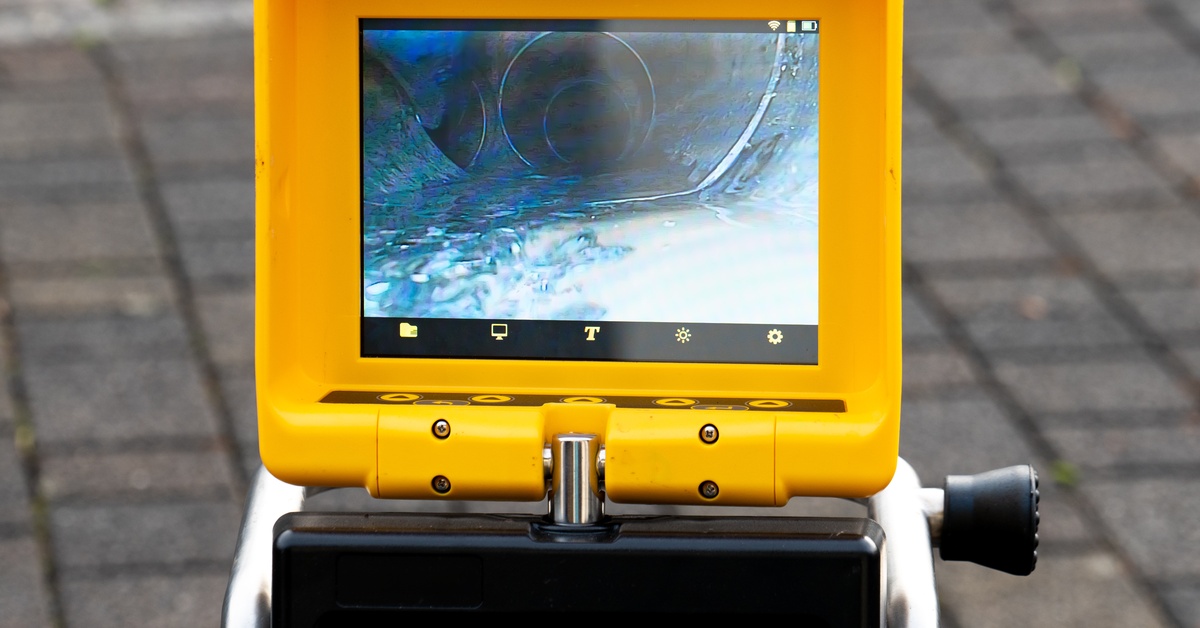
Significant technical disparities exist between consumer-grade equipment and professional diagnostic tools. High-end systems feature self-leveling heads that keep the image upright, ensuring the operator can accurately identify the bottom of the pipe (the flow line) versus the top. They also utilize high-output LED lighting to illuminate dark cast iron pipes that absorb light.
Cheaper units often lack the push-rod stiffness required to navigate long runs or traverse 90-degree turns. Professional pipe inspection cameras also record in high definition, allowing for the identification of minute stress fractures that grainy, low-resolution sensors would miss. The quality of the equipment directly correlates to the accuracy of the diagnosis.
Video evidence of a crack does not always mandate the complete excavation and replacement of the sewer line. Visual diagnostics allow for the assessment of severity. Technicians can repair many minor fractures, offsets, and root intrusions using trenchless technology, such as Cured-In-Place Pipe (CIPP) lining.
This process involves inserting an epoxy-saturated sleeve into the existing pipe and inflating it to create a new, seamless pipe within the old one. The camera confirms whether the pipe retains enough structural integrity to support a liner. Assuming that every visual defect requires a backhoe is a costly misconception that ignores modern rehabilitation methods.
Possessing the equipment does not confer the ability to interpret the data correctly. A trained eye distinguishes between a harmless spider web and a structural fracture. Experienced technicians understand how shadows play across different pipe materials, such as clay, cast iron, and Orangeburg.
Misinterpretation leads to false positives, where a technician recommends replacing a functioning pipe, or false negatives, where they overlook a critical failure point.
Common defects that require expert identification include:
Sewer camera inspections provide invaluable data when executed with the correct equipment and technical understanding. They reveal the condition of the subterranean infrastructure without the need for destructive excavation. However, property owners must view this technology as a tool for structural assessment rather than a magic wand for leak detection or drain cleaning.
Accurate diagnosis requires distinguishing between what the camera sees and what physics dictates. When a qualified professional utilizes high-resolution imaging in conjunction with hydrostatic testing and location capabilities, the resulting data allows for precise, cost-effective repairs. Recognizing the difference between mythology and technical reality ensures the long-term reliability of the sanitation system.