Author: Tyler Mashek
Excavation methods have changed significantly over the years. Traditional digging with backhoes and trenchers still serves many purposes, but specialized projects often require more precision and less disruption. That need has led many contractors, municipalities, and utility crews to adopt alternative excavation methods such as hydro excavation and pneumatic excavation.
While both methods offer non-mechanical digging solutions, they operate in very different ways and excel under different conditions. Understanding the differences between hydro and pneumatic excavation helps operators choose the right equipment, improve efficiency, and protect underground infrastructure.
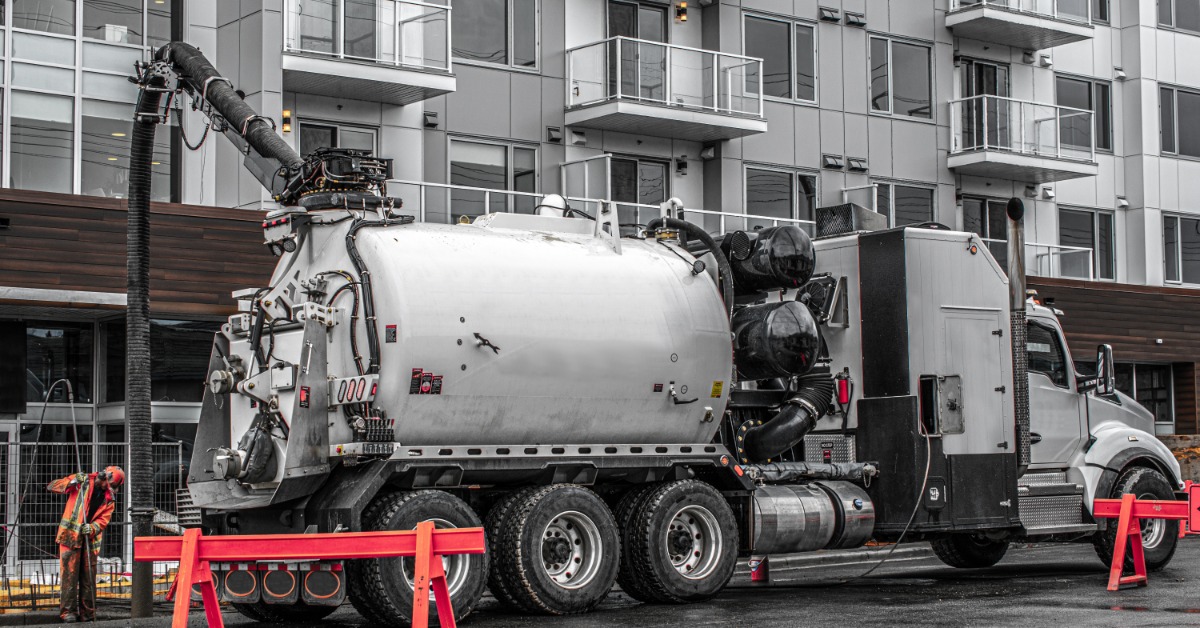
Hydro excavation uses pressurized water to break apart soil while a powerful vacuum system removes the resulting slurry. The process creates a controlled excavation area without relying on traditional digging equipment.
Operators direct high-pressure water into the ground to loosen dirt. A vacuum system then transports the soil and water mixture into a debris tank for disposal or processing.
Hydro excavation has become a preferred choice for utility locating, potholing, trenching, and daylighting because it minimizes damage to underground infrastructure.
Pneumatic excavation uses compressed air instead of water to loosen soil. An air lance or air knife directs high-pressure air into the ground, breaking dirt apart and creating an excavation area.
Like hydro excavation, pneumatic excavation typically uses a vacuum system to remove displaced material. However, instead of creating a slurry, pneumatic excavation generates dry spoil.
Many utility contractors use pneumatic excavation when working in environments where water use creates challenges or where operators need to maintain dry excavation conditions.
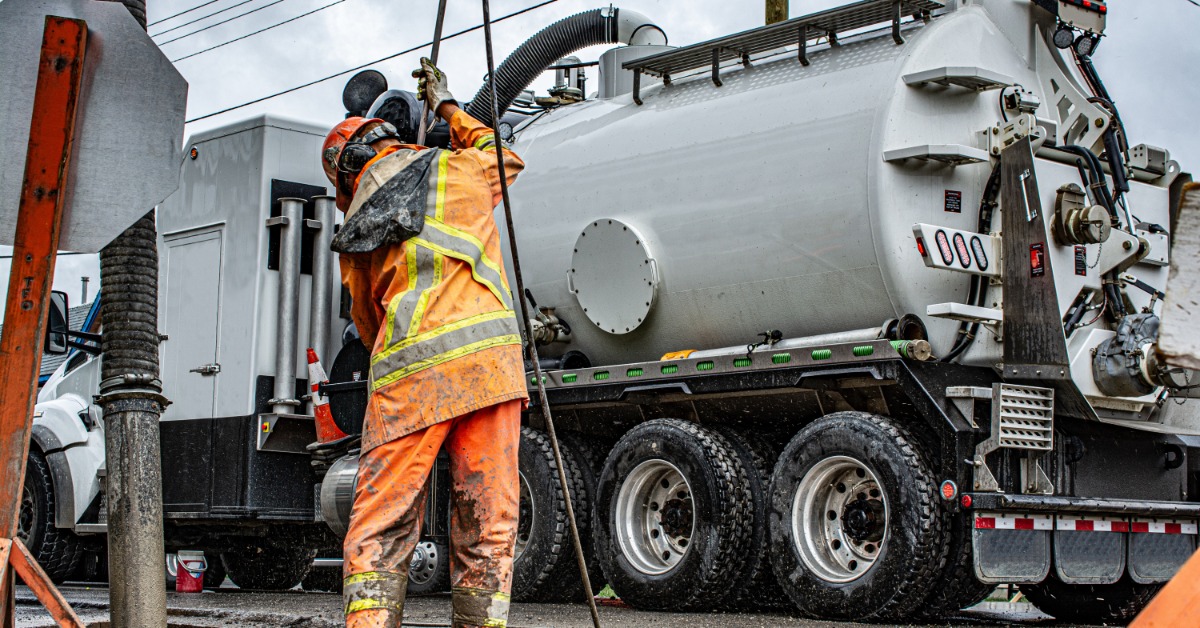
Hydro excavation combines several key components into a single process:
The combination of water and vacuum creates highly precise excavation with minimal disturbance to surrounding soil.
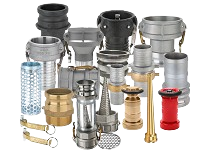
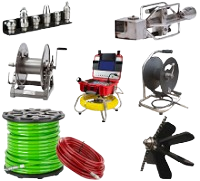
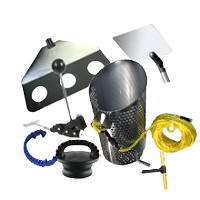
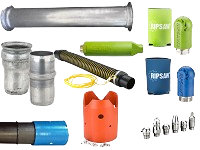
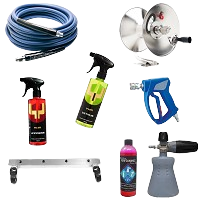
Hydro excavation equipment often includes specialized nozzles, heating systems for frozen ground, and various hydro excavation accessories that improve performance for specific jobsite conditions.
Pneumatic excavation follows a similar concept but replaces water with compressed air.
The process begins when an air compressor sends high-pressure air through a specialized excavation tool. The air penetrates the soil and loosens material around the target area.
A vacuum system removes the displaced dirt and transfers it into a collection system or debris container.
Because the process remains dry, operators often use pneumatic excavation in situations where water management would complicate the project.
Both methods offer excellent precision compared to mechanical digging.
Hydro excavation generally delivers greater control in dense soils because water can penetrate and break apart compacted material more effectively than air. Operators can carefully expose utilities, pipelines, and cables with minimal risk.
Pneumatic excavation also provides precise digging capabilities, especially around sensitive infrastructure. Pneumatic excavation is a common choice for arborists and landscapers as it is also an excellent solution that caters to the health of tree and plant roots without damaging or oversaturating them. The lower force involved in air excavation often reduces the chance of damaging fragile utility components.
For many utility exposure projects, both methods perform well. The soil type often determines which option provides the greatest precision.
Soil conditions play a major role in excavation success.
Hydro excavation performs exceptionally well in:
Water quickly softens dense clay and allows efficient material removal.
Heated water systems can thaw and excavate frozen soil that would challenge many other methods.
Hydro excavation breaks apart tightly packed material with relative ease.
Pneumatic excavation often performs better in:
Compressed air moves loose material efficiently without creating slurry.
Dry excavation minimizes moisture-related impacts on surrounding areas.
Projects in drought-prone regions may favor air excavation due to water conservation concerns.
Environmental considerations influence many excavation decisions.
Hydro excavation requires water and generates slurry that operators must transport and dispose of properly. Depending on project size, the amount of water used can become significant.
However, hydro excavation often reduces surface disruption, protects root systems, and limits damage to surrounding infrastructure.
Pneumatic excavation uses little or no water, making it attractive in environmentally sensitive locations. The absence of slurry simplifies cleanup and disposal in some applications.
On the other hand, pneumatic excavation may generate airborne dust, especially in dry conditions. Crews often need dust-control measures to maintain safe working environments.
One of the biggest advantages of both excavation methods involves utility protection.
Underground infrastructure continues to grow more complex every year. Fiber optic cables, gas lines, water mains, electrical conduits, and telecommunications systems often share limited underground space.
Hydro excavation reduces utility strikes because operators can carefully expose buried assets before conducting larger excavation activities.
Pneumatic excavation offers similar benefits. Since compressed air applies less direct force than mechanical equipment, operators can expose buried utilities with greater confidence.
Many utility companies now specify non-destructive excavation methods for certain projects due to the reduced risk of costly damage.
Cleanup procedures differ significantly between the two methods.
Hydro excavation creates a wet mixture of water and soil. Operators must manage, transport, and dispose of the slurry according to local regulations and project requirements.
The resulting excavation area often remains muddy until drying occurs.
Pneumatic excavation generates dry soil instead of slurry. This characteristic often simplifies site cleanup and material handling.
For indoor applications or projects where moisture presents concerns, pneumatic excavation frequently offers an advantage.
Project costs vary based on several factors.
Hydro excavation often delivers faster production rates in dense or compacted soils. Faster excavation can reduce labor costs and shorten project timelines.
Water usage, slurry disposal, and specialized equipment may increase operating expenses in some situations.
Pneumatic excavation may reduce disposal costs because crews handle dry material rather than slurry. Water-related expenses disappear entirely.
However, excavation rates can slow when crews encounter heavily compacted soil that responds better to water-based excavation.
Contractors should evaluate total project costs rather than focusing solely on equipment expenses.
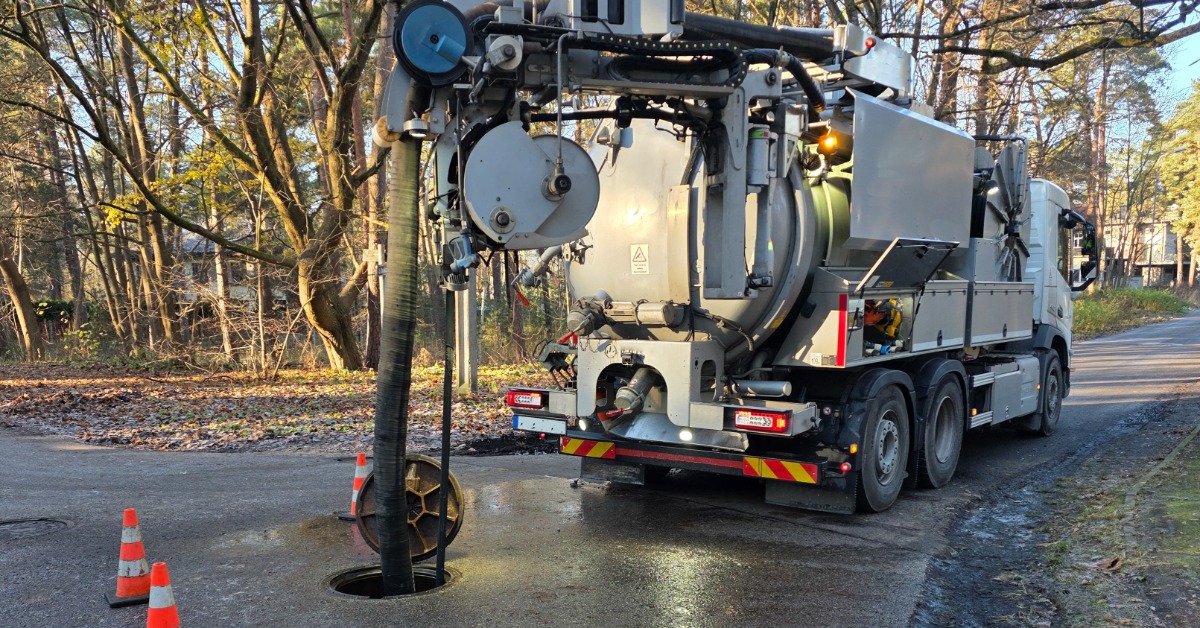
The answer depends on project goals, soil conditions, and site requirements.
Hydro excavation often provides the best solution for compacted soils, frozen ground, and high-production utility work. The combination of water and vacuum delivers fast, precise results while minimizing damage risks.
Pneumatic excavation excels when operators need dry excavation conditions, minimal water usage, or specialized utility exposure in sensitive environments.
Many contractors maintain access to both technologies because each serves different purposes. Understanding the strengths and limitations of each method allows crews to choose the most effective approach for every excavation challenge.
Hydro and pneumatic excavation share a common goal: exposing underground infrastructure safely and accurately without relying on aggressive mechanical digging methods.
Despite that shared objective, the two systems differ significantly in operation, performance, cleanup requirements, and ideal applications. Hydro excavation uses pressurized water and vacuum power to remove soil quickly and efficiently, while pneumatic excavation relies on compressed air to create a dry, controlled excavation process.
For contractors, municipalities, utility operators, and hydro-excavation professionals, selecting the right method comes down to matching the equipment to the conditions on the ground. When crews understand the advantages of both approaches, they can improve productivity, reduce utility damage, and complete projects more efficiently.