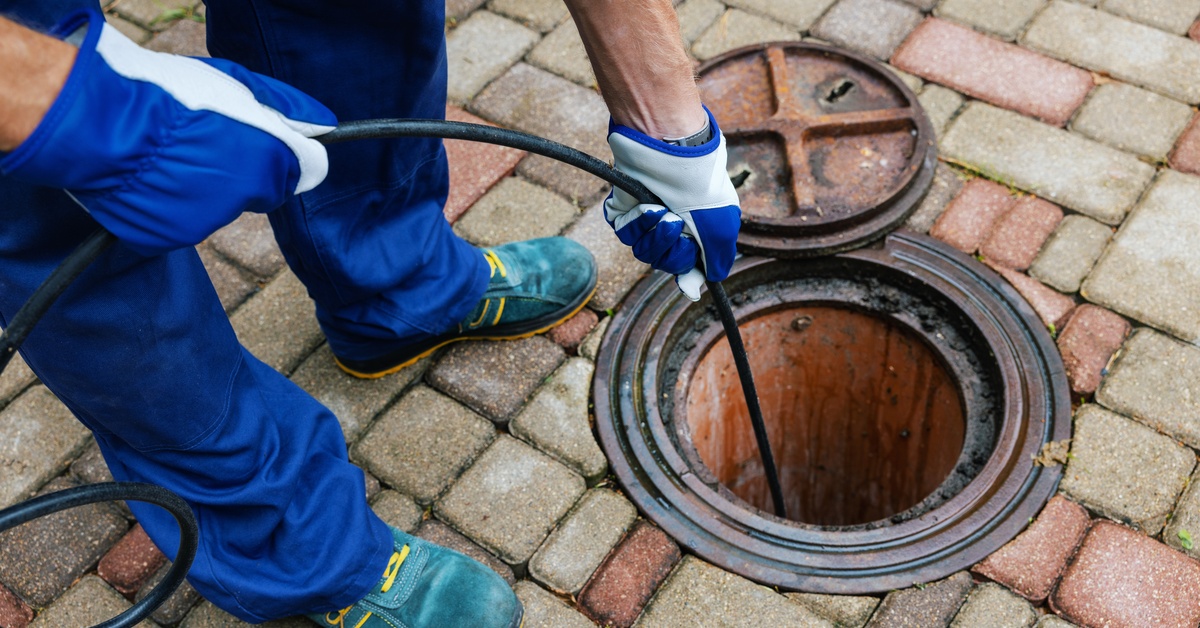
Author: Tyler Mashek
The sewer jetting industry presents a lucrative opportunity for entrepreneurs willing to tackle challenging work environments. Commercial facilities, construction sites, and industrial operations require reliable drainage solutions to maintain operational continuity.
Your success depends on thorough preparation, strategic planning, and a clear understanding of the technical requirements of high-pressure water jetting systems. Use these tips to start a sewer jetting business, and establish a profitable enterprise that will reach many industries.
Market analysis forms the foundation of your business strategy and determines your potential for success. You must identify target demographics, including facility managers, general contractors, and vacuum truck operators who require specialized drainage services. Research existing competitors in your area to understand their service offerings, pricing structures, operational strengths, and market weaknesses.
Commercial sectors such as manufacturing plants, food processing facilities, and construction companies typically generate consistent demand for professional jetting services. Document your findings to gain a competitive advantage and identify underserved market segments.
Regulatory compliance ensures the legal operation of your business and protects it from costly violations and liability issues. Contact your local licensing authority to determine required business permits, trade certifications, and environmental compliance documentation for your jurisdiction. Wastewater disposal regulations vary significantly between municipalities, and you must understand proper handling procedures for debris and contaminated materials.
Federal and state environmental protection agencies maintain guidelines for the discharge and disposal of materials removed during jetting operations. Consult with regulatory experts or industry associations to ensure compliance with all applicable laws and standards.
Business planning translates your market research into actionable operational strategies and financial projections. Define your service portfolio, including mainline cleaning, grease trap maintenance, and industrial drain clearing, to establish revenue diversification.
Calculate startup costs, including equipment purchase or lease agreements, insurance premiums, vehicle expenses, and working capital requirements for your first year of operation. Establish pricing models based on job complexity, equipment requirements, and local market rates to ensure profitability. Include expansion opportunities such as CCTV pipeline inspections or vacuum services to enhance your competitive position.
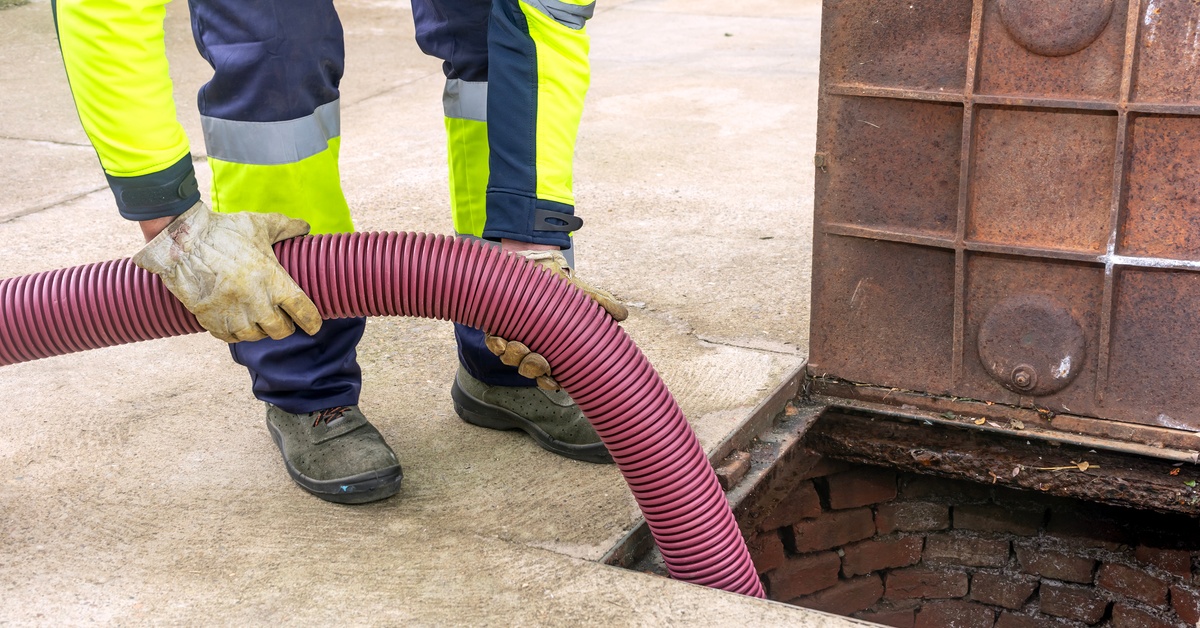
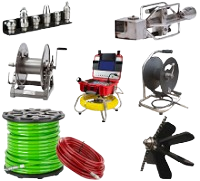
Equipment selection directly impacts your operational capability and service quality for demanding industrial applications. High-pressure jetting systems require specific pressure ratings measured in pounds per square inch (PSI) and flow rates measured in gallons per minute (GPM) to handle various pipe sizes and blockage types. Trailer-mounted jetting units provide mobility for construction sites and facility locations, while truck-mounted systems offer integrated water storage and debris collection.
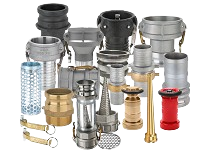
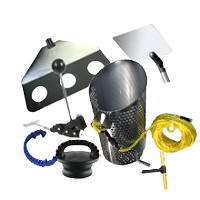
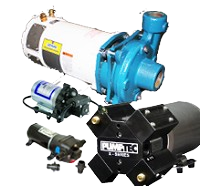
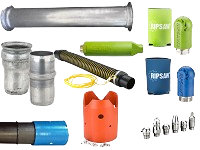
Consider centrifugal pumps for high-volume applications and positive displacement pumps for maximum pressure output when selecting your primary jetting system. Factor maintenance costs, parts availability, and manufacturer support into your equipment evaluation process. Pro tip: Buy professional tips and nozzles from Varco Supply for high-quality equipment that gives you a great head start.
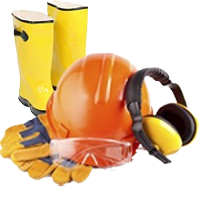
Safety protocols protect personnel and equipment while maintaining professional service standards in hazardous work environments. Establish comprehensive training programs covering high-pressure equipment operation, personal protective equipment requirements, and emergency response procedures.
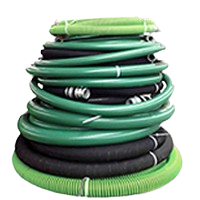
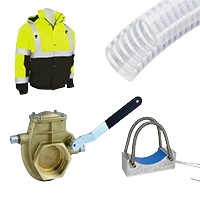
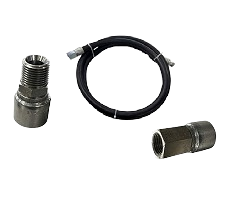
Workers must understand pipe material limitations and structural assessment techniques to prevent damage during jetting operations. Sewer jetting equipment, including specialized hoses, nozzles, and safety equipment, require proper handling and maintenance procedures to ensure reliable performance. Document all safety procedures, and maintain training records to demonstrate compliance with occupational safety regulations.
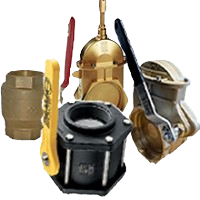
Reliable supplier networks ensure consistent equipment availability and competitive pricing for operational sustainability. Establish partnerships with equipment manufacturers and distributors like us who provide technical support, parts availability, and maintenance services for your jetting systems.
Negotiate volume discounts for consumable items, including hoses, nozzles, cleaning agents, and replacement parts, to reduce operational costs. Evaluate vendor performance based on delivery reliability, technical support quality, and pricing competitiveness.
Professional branding establishes credibility and differentiates your services in competitive industrial markets. Create a memorable business identity with professional logo design, vehicle graphics, and marketing materials that communicate technical expertise and reliability. Develop an online presence through a professional website, social media accounts, and business directory listings to reach facility managers and contractors.
Target marketing efforts toward industries such as food processing, manufacturing, or construction that require regular drainage maintenance services. Implement customer loyalty programs and referral incentives to build repeat business relationships.
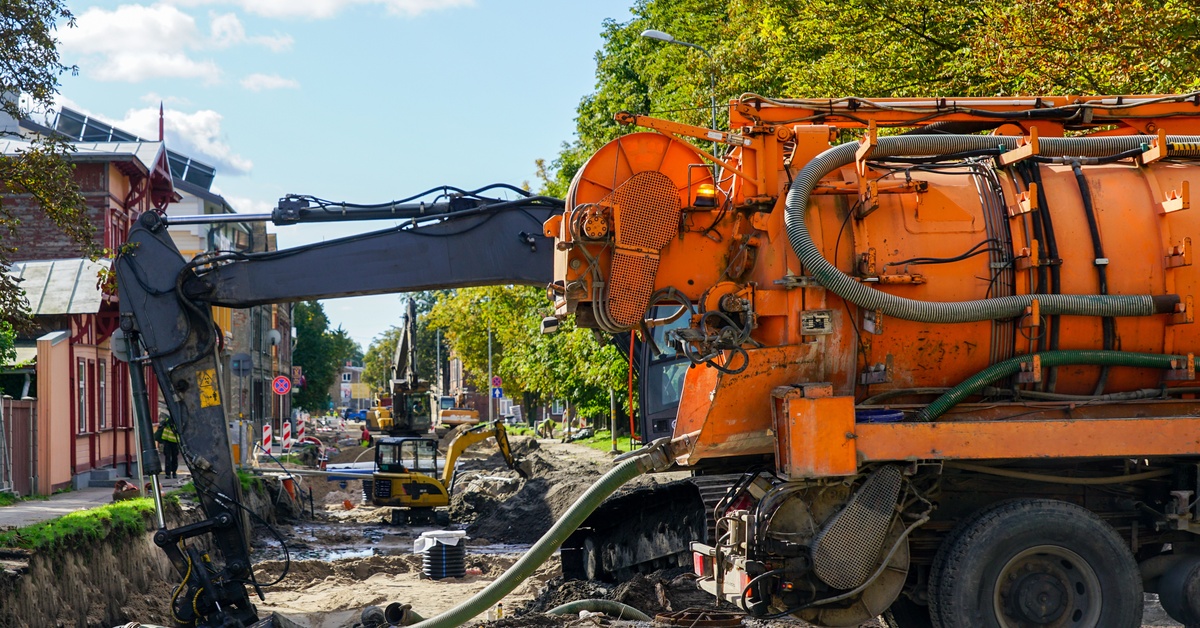
Proper waste management ensures environmental compliance and maintains your professional reputation with commercial clients. Create systematic procedures for collecting, transporting, and disposing of debris, grease, and contaminated materials removed during jetting operations. Partner with licensed waste treatment facilities that accept industrial wastewater and solid waste materials from your service activities.
Vacuum truck systems with debris tanks provide efficient collection and transport capabilities for large-volume cleaning projects. Maintain detailed disposal records and manifests to demonstrate regulatory compliance and protect your business from environmental liability.
Industry connections provide valuable resources for business development and technical knowledge advancement. Join professional organizations such as the National Association of Sewer Service Companies to access training resources, industry standards, and networking opportunities. Attend trade shows and equipment demonstrations to discover new technologies and establish relationships with manufacturers and service providers.
Build strategic partnerships with plumbing contractors, general contractors, and facility maintenance companies who require specialized jetting services. Participate in online forums and professional groups to share knowledge and build your reputation as a technical expert.
Service excellence builds customer loyalty and generates referrals in competitive industrial markets. Provide detailed service estimates with clear explanations of work scope, equipment requirements, and completion timelines before beginning any project.
Educate customers about preventive maintenance practices that reduce emergency service calls and extend equipment life cycles. When starting a sewer jetting business, responsive communication and professional appearance create positive impressions with facility managers and contractors. Follow up with customers after service completion to ensure satisfaction and identify additional service opportunities.
Financial tracking ensures profitability and identifies opportunities for operational improvement and business growth. Track key performance indicators, including revenue per job, equipment utilization rates, customer retention percentages, and operational cost ratios.
In addition, monitor equipment maintenance expenses, and schedule preventive maintenance to minimize unexpected repair costs and downtime. It’s important to use professional accounting software or services to maintain accurate financial records and tax compliance documentation. Analyze job profitability by customer type and service category to focus marketing efforts on the most profitable segments.
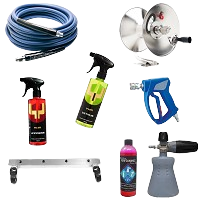
Strategic growth planning positions your business for expansion while maintaining service quality and profitability. Evaluate market demand indicators to determine optimal timing for additional equipment purchases and staff hiring decisions. Consider service diversification opportunities such as industrial cleaning, vacuum services, or pipeline inspection to increase revenue potential. You could also transition into using pressure washing supplies to expand your business beyond sewer jetting as well.
Research new market segments, including oil and gas facilities, food processing plants, or municipal contracts that require specialized drainage services. Update equipment inventory regularly to maintain competitive capabilities and meet evolving customer requirements in your target markets.
Success in the sewer jetting industry requires thorough preparation, quality equipment, and commitment to professional service standards. Your target customers, including facility managers, contractors, and industrial operators, value reliability and technical expertise above cost considerations. Work with Varco Supply today to begin building your foundation for a profitable sewer jetting enterprise and launch your business with the best traction to success.