Author: Tyler Mashek
Cold weather can make an ordinary jetting job much more complicated. Falling temperatures affect water flow, hoses, fittings, pumps, nozzles, and other parts of a jetting system. Even equipment that performs reliably during warmer months can develop problems when temperatures drop below freezing.
Contractors who understand these effects can prepare equipment before winter weather causes delays. A few changes to inspection, operation, and storage routines can help crews maintain consistent performance while protecting expensive components.
Jetting equipment depends on moving water at high pressure, so freezing temperatures create an obvious problem. Water expands when it freezes, and any water trapped inside a hose, valve, pump, nozzle, or fitting can create damaging internal pressure.
Cold temperatures also change how equipment behaves before water actually freezes. Materials can become less flexible, lubricants can thicken, and seals can react differently to temperature changes. These factors make careful operation especially important during winter.
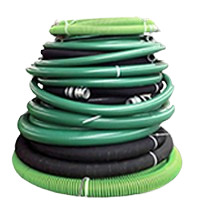
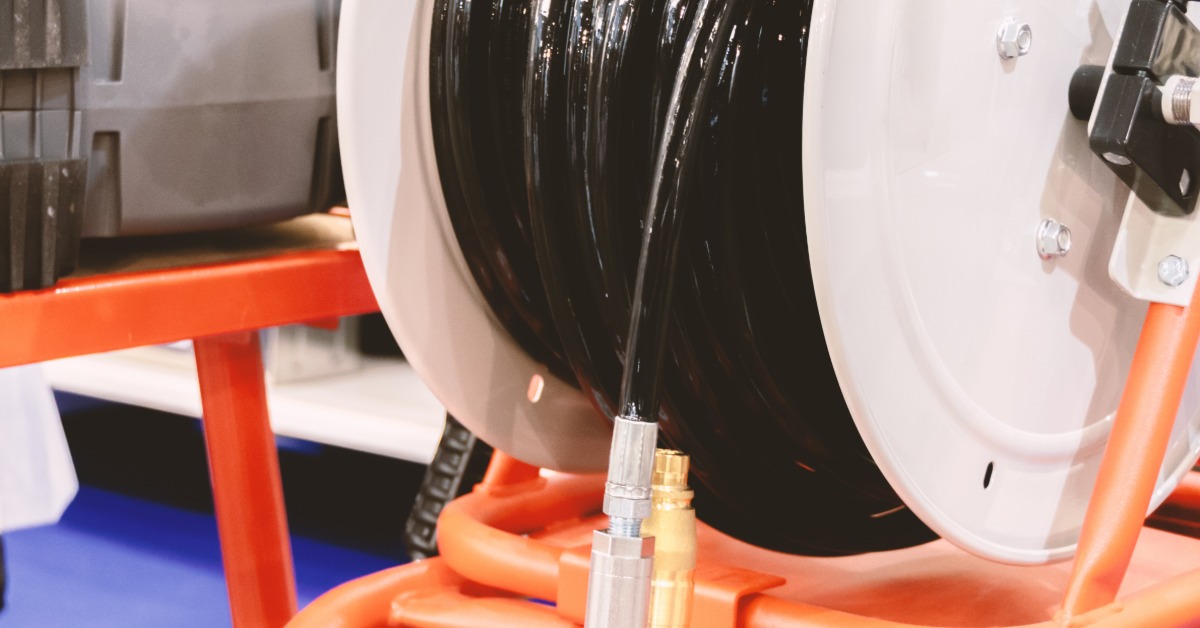
Jetter hoses need enough flexibility to move through pipes while handling high operating pressures. Cold weather can make some hose materials stiffer than they feel during warmer conditions.
A stiff hose may become harder to feed, retrieve, or coil correctly. Operators should avoid forcing a cold hose into tight bends because excessive bending can stress the hose construction. Allowing equipment to warm when practical can make handling easier and reduce unnecessary strain.
Crews should also inspect the hose before every job. Look for cuts, abrasions, damaged reinforcement, unusual bulges, or worn ends before applying pressure.
Residual water creates one of the biggest cold-weather risks. Small amounts can remain trapped in low points, fittings, valves, pumps, or hose sections after a job.
When that water freezes, it expands and puts pressure on the surrounding component. That pressure can crack parts or damage seals. A frozen obstruction can also restrict flow when an operator starts the system again.
Never assume that a system has drained completely just because water stopped coming from the hose. Follow the equipment manufacturer's recommended winterization and draining procedures whenever freezing conditions may occur.
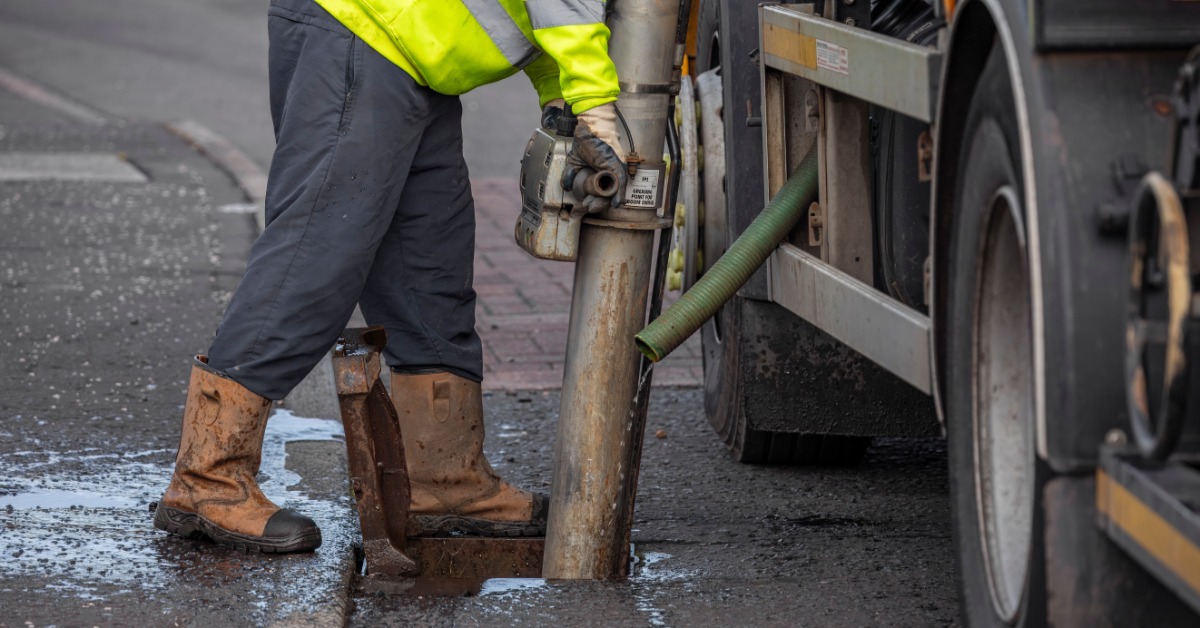
Cold conditions can contribute to flow problems when ice starts forming inside equipment. Even a partial restriction can change how water reaches the nozzle and reduce cleaning effectiveness.
Operators may notice inconsistent flow, unusual pressure behavior, or weaker nozzle performance. Those symptoms deserve attention rather than a quick increase in pressure. Increasing pressure without identifying the restriction can place additional stress on components.
Check the water supply and the full flow path when performance changes unexpectedly. Finding a restriction early can prevent a minor winter issue from turning into a larger repair.
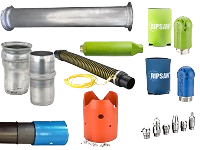
Nozzles contain relatively small openings, which makes them vulnerable to ice and debris. Moisture left inside a nozzle can freeze and block one or more jets.
Blocked jets change the nozzle's cleaning pattern and can reduce its ability to move through the line. Uneven flow can also make performance harder to predict.
Inspect and clean nozzles before use, especially after equipment has sat outside overnight. Make sure each opening remains clear before connecting the nozzle and pressurizing the system.
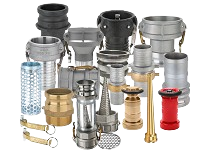
Connections experience significant stress during jetting operations, and winter conditions can make small problems easier to overlook. Dirt, moisture, ice, or damaged sealing surfaces can interfere with a secure connection.
Operators should clean and inspect fittings before assembly. Check threads, seals, locking mechanisms, and connection surfaces for visible damage. Replace questionable components rather than trying to get one more job out of them.
When replacement parts become necessary, working with a reliable pipe fittings supplier can help crews keep appropriate components available instead of waiting for a failure to stop a job.
Water pumps in jetting systems move water and create the pressure needed for cleaning. Freezing water inside a pump can damage internal components, while cold conditions may also affect lubricants and seals.
Operators should follow the pump manufacturer's cold-weather recommendations closely. Check fluid levels and inspect for leaks before starting work. Never attempt to operate a pump that may contain frozen water.
Pay attention to unusual noises, pressure changes, or leaks during startup. Shutting equipment down to investigate a problem usually costs less time than continuing to operate a system with a developing failure.
A thorough pre-job inspection becomes even more valuable when temperatures approach freezing. Operators should check the complete system rather than focusing only on the hose and nozzle.
A practical cold-weather inspection can include:
These checks take time, but they can prevent longer delays once a crew reaches the work site.
A controlled warm-up can help operators identify problems before placing the system under a full workload. The correct procedure depends on the equipment, so manufacturer instructions should determine how crews handle startup in cold conditions.
Avoid sudden demands on equipment that has spent hours in freezing temperatures. Watch pressure readings and listen for changes in pump operation as the system starts running.
A warm-up period also gives operators another opportunity to find leaks or restrictions. Catching those problems early keeps the crew from discovering them after the hose enters the line.
Proper storage can prevent many cold-weather problems. Whenever possible, crews should keep vulnerable equipment in a location that protects it from freezing temperatures.
When heated storage is not available, proper draining and winterization become critical. Follow manufacturer instructions for removing water from pumps, hoses, valves, nozzles, and other water-carrying components.
Hoses also need proper storage. Avoid leaving them twisted, kinked, or exposed to unnecessary physical damage. A consistent storage routine helps equipment remain ready for the next job instead of turning startup into a troubleshooting session.
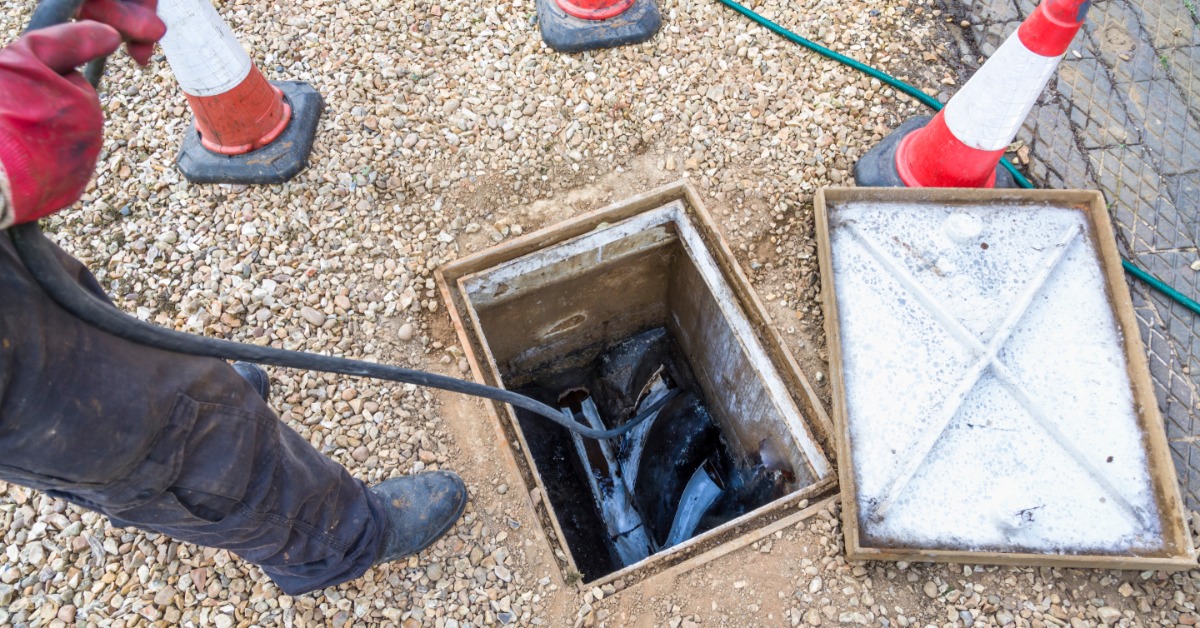
Cold weather often exposes weaknesses that already exist. A worn seal, damaged hose, loose fitting, or neglected component may continue working during mild conditions but cause trouble once temperatures fall.
Preventive maintenance gives crews a chance to correct those weaknesses before they interrupt a job. Keep maintenance records and follow manufacturer service intervals throughout the year rather than waiting for winter.
Winter also makes spare-part planning more important. Keeping common wear items on hand can reduce downtime when a component needs immediate replacement.
Winter equipment care should continue after the crew finishes jetting. Water left in the system during travel or overnight storage may freeze before the next shift begins.
Drain and winterize equipment according to manufacturer recommendations whenever conditions require it. Clean components before storage so dirt and debris do not hide damage during the next inspection.
Operators should also consider how quickly temperatures may fall after a job. Equipment that remains safe during an afternoon job could face freezing conditions a few hours later.
Reliable winter jetting starts with preparation. Crews need to treat freezing temperatures as an operating condition that requires different habits, not simply an inconvenience.
Inspect equipment before each job, prevent water from remaining where it can freeze, and follow manufacturer procedures for cold-weather operation and storage. Watch for changes in flow or pressure instead of pushing equipment harder when performance drops.
Cold weather will always add challenges to jetting work, but it does not have to create constant downtime. Consistent maintenance and careful operation help contractors protect equipment while keeping jobs moving through the winter.