Author: Tyler Mashek
Every contractor knows that downtime costs money. Whether you operate vacuum trucks, water pumps, hydro excavation equipment, or wastewater systems, equipment sitting idle can quickly impact schedules, labor costs, and customer satisfaction.
Pumping operations often depend on several moving parts working together. A single hose failure, clogged line, worn coupling, or neglected pump can stop production and create delays that affect an entire project. The good news is that many downtime issues stem from preventable problems.
Understanding the most common causes of downtime helps contractors keep equipment running efficiently and projects moving forward.
Downtime affects much more than equipment availability. When a pump system stops working, crews often wait while operators diagnose the issue, locate replacement parts, or perform repairs.
Those delays create ripple effects throughout the job site. Deadlines shift, labor expenses increase, and customers may lose confidence in project timelines.
Reducing downtime starts with treating equipment reliability as a daily priority rather than an occasional concern.
Preventive maintenance remains one of the most effective ways to reduce downtime.
Waiting until equipment fails almost always costs more than performing routine inspections and maintenance. Pumps, hoses, valves, fittings, and related components experience constant wear during operation.
A maintenance schedule allows operators to identify issues before they become major failures. Regular inspections also help crews spot leaks, unusual noises, vibration problems, and declining performance.
Small fixes today often prevent major repairs tomorrow.
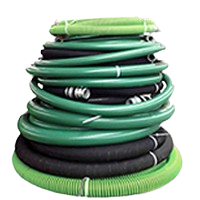
Many pumping failures begin with damaged hoses.
Operators frequently focus on the pump itself while overlooking the hose system. Cracks, abrasions, soft spots, and worn couplings can lead to leaks or complete hose failure during operation.
A quick visual inspection before each job helps identify problems early. Replacing a questionable hose before deployment takes far less time than dealing with an unexpected failure in the field.
Proper hose storage also plays a major role in extending service life.

Contractors often lose valuable time searching for replacement components after a failure occurs.
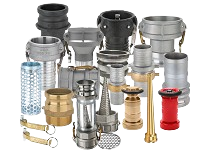
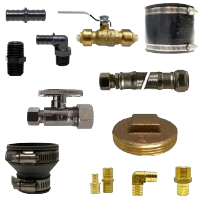
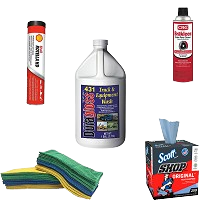
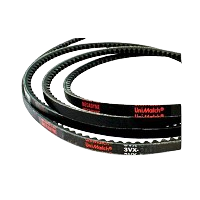
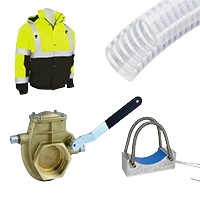
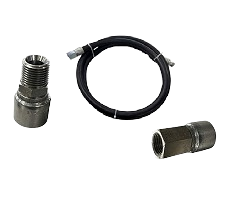
Maintaining an inventory of commonly used parts allows crews to perform repairs immediately. The exact inventory varies by operation, but most contractors benefit from keeping:
A well-stocked inventory reduces repair delays and minimizes disruptions when equipment issues arise.
Equipment often provides warning signs before a major failure occurs.
Experienced operators learn to recognize changes in performance, pressure, flow rates, vibration, or operating temperatures. These indicators frequently signal developing issues that require attention.
Training crews to identify and report abnormalities helps maintenance teams address problems before equipment breaks down.
Early detection remains one of the simplest ways to avoid costly downtime.
Not every pumping job requires the same equipment.
Using an undersized pump can create excessive wear and poor performance. Oversized equipment may consume more energy than necessary while increasing operating costs.
Contractors should evaluate flow requirements, material characteristics, suction conditions, and discharge distances before selecting equipment.
Matching the pump to the application improves reliability and reduces unnecessary stress on system components.
Performance monitoring provides valuable insight into equipment health.
Tracking flow rates, pressure levels, vacuum readings, and operating temperatures helps operators identify trends over time. Sudden changes often indicate developing issues that require investigation.
Many contractors rely on daily equipment logs to track performance. Even basic recordkeeping can reveal patterns that help prevent unexpected failures.
Consistent monitoring turns maintenance from reactive to proactive.
Restrictions within a pumping system can significantly reduce performance.
Debris accumulation inside hoses, strainers, tanks, and piping often creates flow problems. Operators may mistakenly assume the pump has failed when a blockage actually causes the issue.
Routine cleaning helps maintain proper flow rates and reduces stress on the entire system.
Regular cleaning also makes inspections easier because crews can clearly see developing wear or damage.
Many equipment failures result from operating conditions that exceed manufacturer recommendations.
Running pumps continuously without adequate cooling, exceeding pressure ratings, or handling materials outside design specifications can shorten equipment life dramatically.
Contractors should understand equipment limitations and ensure operators follow proper procedures.
Respecting operating limits helps maximize reliability and minimize unexpected breakdowns.
Lower-priced components sometimes create higher long-term costs.
Cheap hoses, fittings, seals, and couplings may require frequent replacement or fail unexpectedly. While quality components often cost more initially, they typically provide longer service life and better reliability.
Contractors who prioritize durable equipment often experience fewer interruptions and lower maintenance expenses over time. Reliable components support reliable operations.
Equipment support becomes critical when repairs cannot wait.
Working with a trusted vacuum pump supplier can help contractors access replacement parts, technical support, and product expertise when issues arise. Reliable suppliers understand industry requirements and can often recommend solutions that minimize downtime.
Strong supplier relationships also help contractors source parts quickly during emergency situations.
The right support network can make a significant difference when every hour counts.
Modern technology offers several ways to reduce downtime.
Many contractors now use maintenance management software, digital inspection forms, and equipment tracking systems. These tools help schedule maintenance, document repairs, and monitor equipment condition.
Digital records make it easier to identify recurring issues and plan maintenance activities efficiently.
Technology cannot eliminate every problem, but it can improve visibility and decision-making.
Standard operating procedures help ensure every operator follows the same inspection, startup, shutdown, and maintenance processes. Clear procedures reduce the likelihood of mistakes that can damage equipment or create unnecessary wear.
Written procedures also simplify training for new employees. When everyone follows the same process, equipment typically performs more consistently.
Planned maintenance always causes less disruption than emergency repairs.
Setting aside time for inspections, component replacements, and routine service allows contractors to maintain control over equipment availability. Planned downtime helps crews perform work efficiently without the pressure of an active breakdown.
Contractors who schedule maintenance proactively often experience fewer unexpected interruptions throughout the year.
The goal is not to eliminate downtime entirely. The goal is to control it.
Reducing downtime in pumping operations requires consistent attention to equipment, maintenance, and operator training. No single strategy eliminates every failure, but contractors who combine preventive maintenance, proper equipment selection, routine inspections, and quality components often see significant improvements in reliability.
Every hour of uptime contributes to productivity, profitability, and customer satisfaction. By addressing small issues before they become major problems, contractors can keep pumping operations running smoothly and avoid many of the costly disruptions that impact job performance.