Author: Tyler Mashek
Pressure washing is a highly effective method for cleaning various surfaces, from concrete driveways to delicate siding. The success of any pressure washing task depends significantly on selecting the appropriate nozzle. The nozzle controls the pressure and spray pattern of the water, and using the incorrect one can lead to inefficient cleaning or, worse, irreversible surface damage. Understanding the different types of nozzles and their specific applications is essential for achieving professional results safely and efficiently.
This article provides a detailed overview of pressure washer nozzles. It covers the color-coding system, spray patterns, nozzle sizes, and special-purpose nozzles. By understanding these components, you can make informed decisions to optimize your cleaning process for any job.
Pressure washer nozzles are universally color-coded to indicate the angle of the water spray they produce, measured in degrees. Each color corresponds to a specific spray pattern, which determines the concentration and force of the water stream. A narrower angle creates a more powerful, concentrated jet, while a wider angle distributes the water over a larger area with less force.
Knowing these color codes is the first step toward selecting the right tool for your cleaning application.
The red nozzle produces a 0-degree spray pattern, creating a single, high-pressure point of water. This is the most aggressive nozzle available and delivers the maximum pounds per square inch (PSI) your pressure washer can generate. Its intense, focused stream makes it highly effective for removing extremely stubborn substances like caked-on mud, rust from steel, and tough stains from concrete.
However, its power also makes it the most dangerous. The concentrated force can easily etch wood, gouge soft stone, and strip paint. It can also cause serious injury if it comes into contact with skin. Due to its potential for damage, you should use the red nozzle with extreme caution and only on surfaces that can withstand its force, such as hard metals and unpainted concrete.
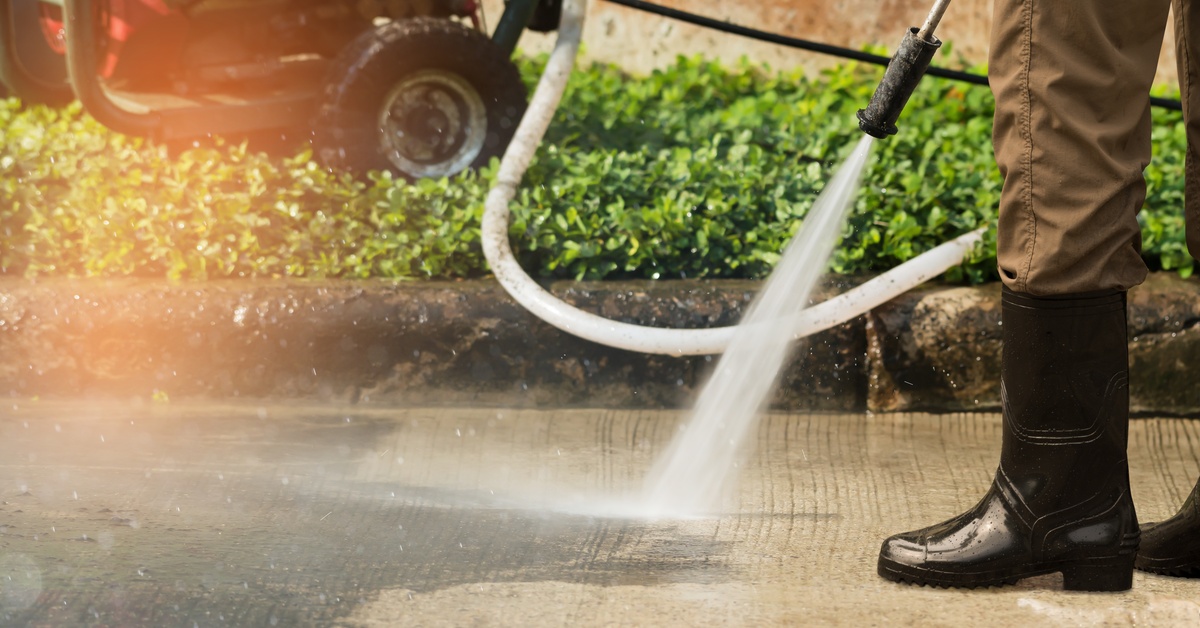
The yellow nozzle creates a 15-degree spray pattern, offering a balance between concentrated power and wider coverage. It is ideal for heavy-duty cleaning and surface preparation tasks. This nozzle effectively strips paint, removes mildew stains, and cleans grease from concrete and other hard, non-porous surfaces. It is a common choice for preparing surfaces before painting or sealing.
While less intense than the red nozzle, the yellow nozzle still delivers significant pressure. You must maintain a safe distance from the surface to prevent damage, especially on softer materials like wood or certain types of masonry. It works well for cleaning construction equipment, heavy machinery, and stained driveways.
The green, 25-degree nozzle is the most frequently used nozzle for general household cleaning tasks. It produces a wider spray pattern that covers more area with less pressure than the yellow nozzle, making it a safer option for a variety of surfaces. This nozzle is effective for cleaning cars, boats, patio furniture, decks, and siding.
Its balance of pressure and coverage makes it versatile enough to remove dirt and grime without the high risk of damage associated with narrower-angle nozzles. When cleaning wood or composite decking, the green nozzle is often the best choice, as it provides sufficient cleaning power without splintering the material. It is also suitable for rinsing away dirt from larger areas after applying a detergent.
The white nozzle generates a 40-degree spray pattern, which provides a wide and gentle stream of water. This nozzle is designed for cleaning delicate and easily damaged surfaces. Use it for washing windows, blinds, flower pots, and vehicles that require a lighter touch. The wider spray angle distributes the pressure over a larger surface area, significantly reducing the force and minimizing the risk of etching or stripping.
The white nozzle is also excellent for rinsing surfaces after cleaning. Its broad spray efficiently washes away soap and loosened debris without driving dirt deeper into porous materials. It is the go-to choice when you need to clean without causing harm.
The black nozzle, also known as the soaping nozzle, has the widest spray angle at 65 degrees. It operates at a very low pressure, which is necessary to activate the pressure washer’s downstream detergent injector. When this nozzle is attached, the drop in pressure creates a siphon effect that pulls cleaning solution from the detergent tank and mixes it with the water stream.
This nozzle is used exclusively for applying soap, chemical cleaners, or detergents. It does not provide enough pressure for cleaning or rinsing. The wide spray pattern allows you to cover a large area with solution quickly and evenly. After applying the detergent with the black nozzle, you will need to switch to a higher-pressure nozzle (green or white) to rinse the surface thoroughly.
Beyond the spray angle, the orifice size of the nozzle is a critical factor that affects your pressure washer’s performance. Nozzle size is measured by a number, and it must be correctly matched to your pressure washer’s gallons per minute (GPM) and PSI ratings. A nozzle with an orifice that is too small will increase the pressure beyond the machine’s design limits, potentially damaging the pump. Conversely, an orifice that is too large will reduce the operating pressure, leading to poor cleaning performance.
You can find the correct nozzle size by consulting the manufacturer's manual or using an online sizing chart. Correctly matching the orifice size ensures that your pressure washer operates at its optimal pressure and flow rate, delivering consistent and effective cleaning power.
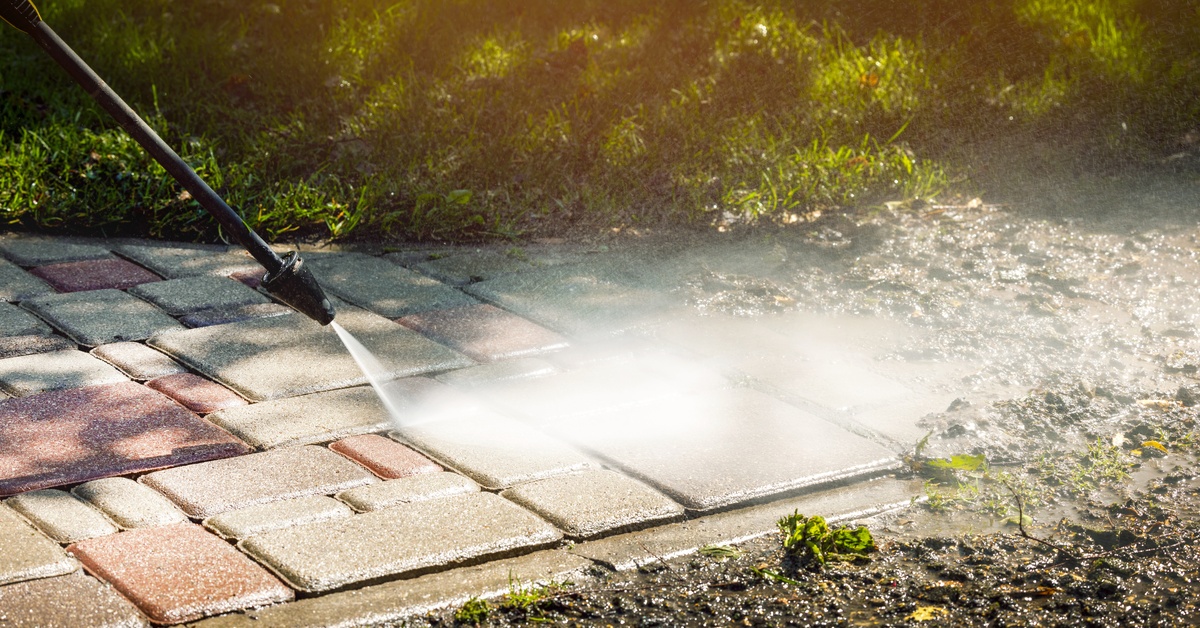
Adjustable nozzles, or variable nozzles, offer multiple spray patterns in a single unit. You can typically adjust them by twisting the nozzle head to switch between a narrow, high-pressure stream and a wide, low-pressure fan spray. Some models also include a setting for applying soap. This versatility eliminates the need to carry and switch between multiple individual nozzles, making them a convenient option for jobs that require cleaning different surfaces.
While convenient, adjustable nozzles may not always provide the same precise performance as fixed-degree nozzles. However, for many homeowners and general cleaning tasks, the convenience and flexibility they offer are a significant advantage. The secure connection between the nozzle and the pressure washer hose ensures consistent performance across all settings.
Selecting the correct pressure washing nozzle is fundamental to achieving effective and safe cleaning results. By understanding the color-coding system, spray patterns, and the specific applications for each nozzle, you can confidently tackle any cleaning project. Remember to match the nozzle’s orifice size to your pressure washer's specifications and always test on a small area first. Proper nozzle selection not only improves cleaning efficiency but also protects your property from damage and ensures your safety.