Author: Tyler Mashek
Every sewer jetting job depends on more than a powerful machine. The hose you connect to that machine plays a major role in cleaning performance, safety, and productivity. A hose with the wrong diameter, pressure rating, or construction can reduce cleaning efficiency, increase wear on your equipment, and create unnecessary downtime.
Choosing the right jetter hose starts with understanding the demands of your work. Residential drain cleaning, municipal sewer maintenance, and industrial applications all require different hose characteristics. The better your hose matches your equipment and your jobsite conditions, the more reliable your results become.
Whether you replace an aging hose or purchase one for a new jetter, knowing what separates one option from another helps you make a smarter investment.
A jetter hose does much more than carry pressurized water. It transfers the cleaning power from the pump directly to the blockage while remaining flexible enough to navigate bends and durable enough to withstand constant abuse.
The wrong hose can create several problems, including:
A properly matched hose improves efficiency while helping protect both your jetting equipment and your crew.
Your jetter's specifications should always guide your hose selection.
Every machine operates within a specific pressure and flow range. Manufacturers publish these specifications because every component in the system must handle those operating conditions safely.
Never choose a hose based only on its appearance or diameter. Two hoses may look similar while offering completely different pressure ratings and construction methods.
Before purchasing, verify:
Matching these specifications ensures the hose performs as intended.
Pressure rating ranks among the most important specifications.
Every hose lists a maximum working pressure. This number represents the highest pressure the hose should experience during normal operation.
Some operators focus on burst pressure, but working pressure deserves far more attention. Burst pressure represents an emergency failure point rather than a safe operating limit.
Choose a hose that comfortably exceeds your machine's maximum operating pressure. That additional safety margin helps account for pressure spikes that naturally occur during jetting operations.
Operating near a hose's maximum rating day after day shortens its lifespan.
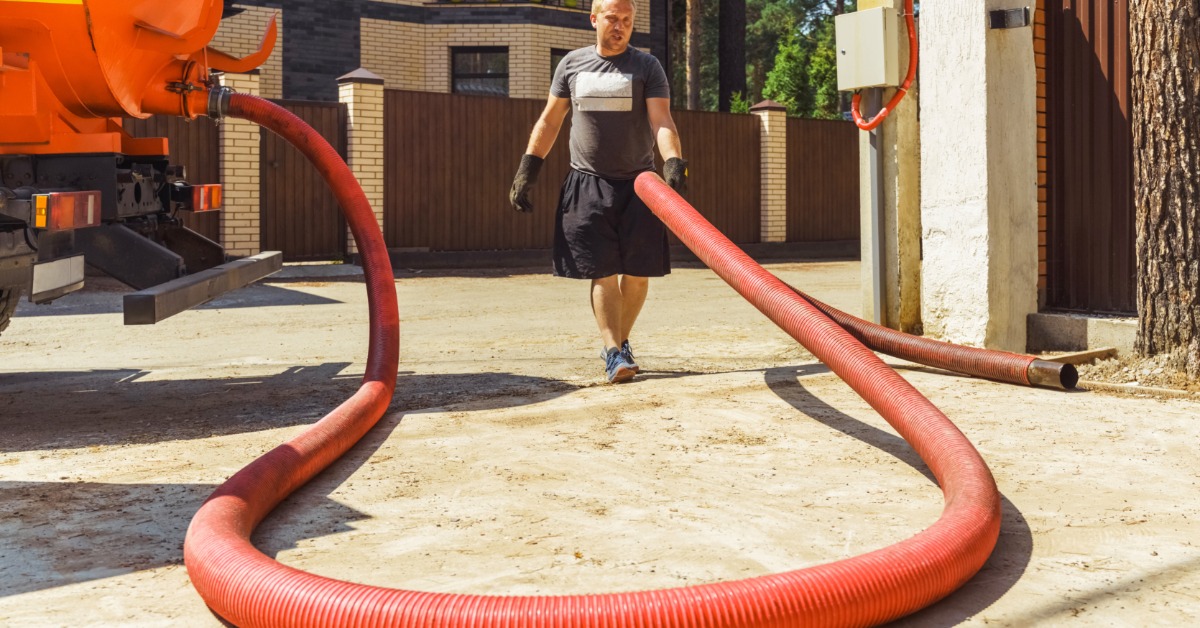
Hose diameter directly affects water flow, flexibility, and cleaning performance.
Smaller-diameter hoses work well for residential and smaller commercial drain cleaning because they navigate tight bends with less resistance.
Larger-diameter hoses carry higher water volumes and often suit municipal sewer cleaning or larger pipe systems.
Selecting the wrong diameter can create unnecessary pressure loss or reduce cleaning efficiency.
Common considerations include:
Matching diameter to both the machine and the application produces better results.
Longer does not always mean better.
Every additional foot of hose increases friction loss inside the line. As water travels farther, pressure gradually decreases.
Many contractors appreciate having extra reach available, but carrying excessive hose can reduce efficiency if the job rarely requires it.
Instead, choose a hose length that fits the majority of your work. Many crews keep multiple hose lengths available so they can adapt to different projects without sacrificing performance.
Different pipe materials place different demands on your equipment.
Older clay pipes often contain rough surfaces, offsets, and sharp transitions that increase abrasion on the hose.
PVC typically presents smoother surfaces but may include tighter bends.
Cast iron often develops heavy scale buildup that requires higher cleaning performance.
Storm drains, sanitary sewers, grease lines, and industrial piping each create unique operating conditions. Understanding your most common applications helps narrow your hose options quickly.
Flexibility becomes especially important when cleaning smaller diameter pipes with multiple bends.
A stiff hose may resist turning corners, forcing operators to apply additional force that increases wear.
A flexible hose feeds more smoothly through elbows and offsets while reducing operator fatigue during longer jobs.
At the same time, flexibility should not come at the expense of durability.
High-quality hose construction balances flexibility with strength so the hose withstands repeated use without kinking or collapsing.
Not every hose uses the same materials. Manufacturers build jetter hoses with different reinforcement layers depending on their intended applications.
Quality construction typically includes:
Premium construction often costs more initially, but longer service life frequently lowers overall operating costs.
Few pieces of equipment experience more abuse than a jetter hose.
Operators drag hoses across concrete, gravel, asphalt, and jobsite debris every day. They also pull hoses through rough sewer lines that gradually wear away the outer cover.
Abrasion-resistant outer jackets significantly extend hose life.
Even if your hose rarely reaches its pressure limits, external damage eventually leads to replacement.
If your work regularly involves municipal cleaning, industrial facilities, or rough terrain, abrasion resistance deserves extra attention during the buying process.
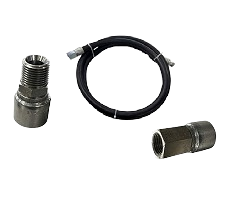
The hose itself receives most of the attention, but fittings matter just as much.
Poor-quality fittings create leaks, reduce efficiency, and increase maintenance costs.
Always verify compatibility with your jetting equipment before purchasing.
Look for fittings that provide:
High-quality fittings help preserve the integrity of the entire jetting system.
Jobsite conditions often influence hose selection.
Cold weather can reduce flexibility if the hose material lacks sufficient temperature resistance.
Hot pavement during summer months increases surface temperatures that affect hose longevity.
Industrial environments may expose hoses to chemicals, oils, or abrasive materials that accelerate wear.
Selecting a hose designed for your typical environment helps reduce unexpected failures throughout the year.
It can feel tempting to purchase the least expensive hose available, especially when replacing several hoses at once.
However, lower upfront cost rarely equals lower operating cost.
Frequent replacements increase labor expenses, interrupt schedules, and reduce productivity. Premium hoses often remain in service significantly longer because they resist abrasion, pressure fatigue, and repeated bending.
When evaluating options, consider:
Looking beyond the purchase price often leads to better long-term value.
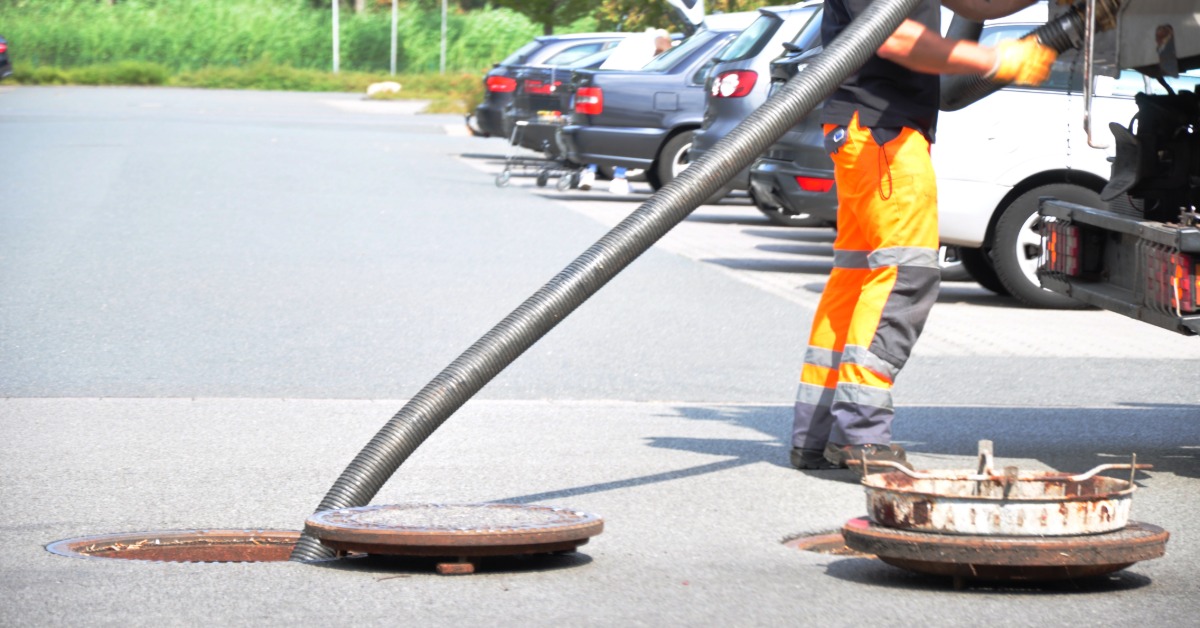
Even the highest-quality hose eventually reaches the end of its service life.
Routine inspections help identify problems before they become safety hazards.
Watch for signs including visible cuts, worn outer covers, bulges, blistering, damaged fittings, exposed reinforcement, or recurring leaks.
Never continue using a hose that shows structural damage.
Replacing a worn hose before failure protects both operators and expensive jetting equipment.
Choosing the right hose becomes much easier when you work with an experienced supplier.
A knowledgeable distributor understands the differences between hose constructions, pressure ratings, fittings, and compatible equipment. They can recommend products based on your machine specifications and the types of work you perform most often.
Instead of guessing, you receive recommendations tailored to your operation.
That expertise becomes especially valuable when selecting sewer jetter hoses for demanding commercial, municipal, or industrial applications where reliability matters every day.
The best jetter hose to choose isn't simply the strongest or the most expensive option. It's the hose that matches your equipment, handles your typical operating conditions, and delivers dependable performance over time.
Taking the time to compare pressure ratings, hose diameter, flexibility, construction quality, fittings, and environmental requirements helps prevent costly mistakes. The right hose improves cleaning performance, reduces downtime, and supports safer operation on every job.
When you invest in equipment that fits your application instead of settling for a one-size-fits-all solution, your entire jetting system performs more efficiently and lasts longer. Working with an experienced supplier also gives you confidence that every component in your system works together as intended.