Author: Tyler Mashek
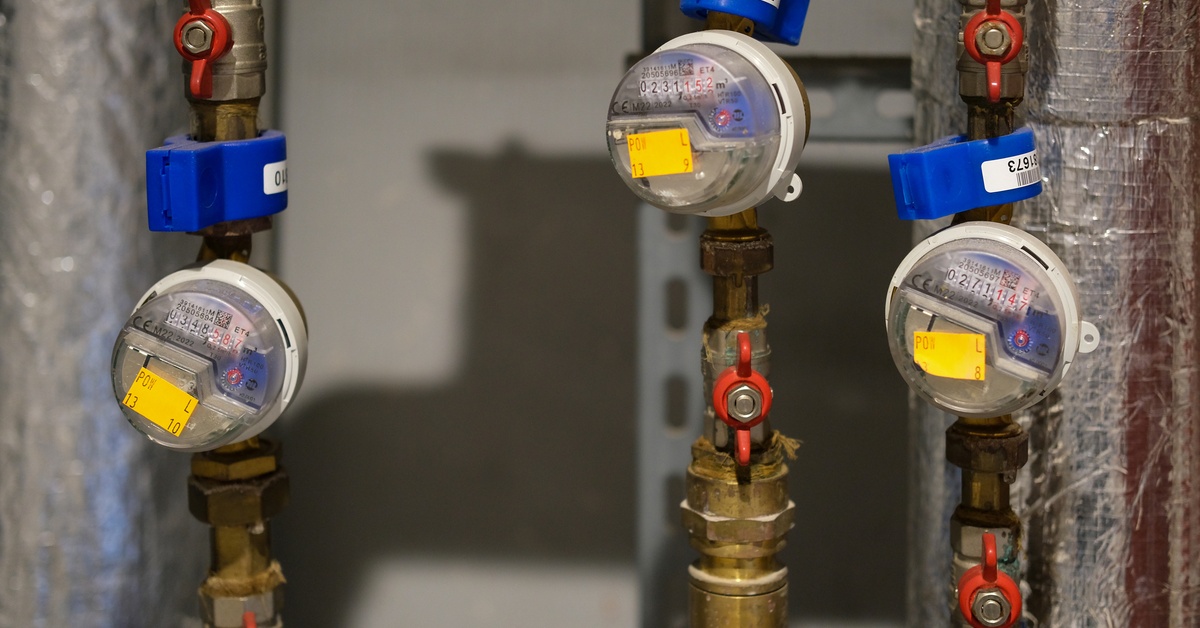
Brass valves take a beating in water and waste systems. They handle pressure, flow changes, and exposure to different materials every day. If you rely on them in septic, jetting, or other fluid handling work, you already know they are not something you want failing mid-job.
The good news is that brass valves hold up well when you treat them right. A few consistent maintenance habits can extend their lifespan, improve performance, and help you avoid downtime.
Below are practical ways to keep your brass valves working like they should.
Brass resists corrosion better than many metals, but it is not invincible. Minerals in water, debris in lines, and constant pressure changes all wear things down over time.
Without maintenance, valves can start to stick, leak, or lose their seal. That usually shows up at the worst possible moment—like when you are in the middle of the job and need consistent flow control.
Regular upkeep keeps everything moving smoothly and helps you catch small issues before they turn into bigger problems.
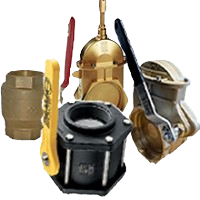
Not all brass valves operate the same way. Ball valves, gate valves, and check valves each have different internal components, wear patterns, and applications for which they are suited.
You need to know how your specific valve functions before you start maintaining it. For example, a ball valve relies on a rotating ball to control flow, while a gate valve uses a raising or lowering gate. Check valves utilize an automatic one way internal mechanism.
Understanding the design helps you clean, inspect, and troubleshoot the right way without causing damage.
You do not need to overcomplicate inspections. What matters is consistency.
Set a routine to check valves for visible wear, leaks, or buildup. Look at connection points, handles, and seals. If something looks off, it probably is.
Frequent inspections help you spot early warning signs like corrosion, stiffness, or minor leaks before they escalate.
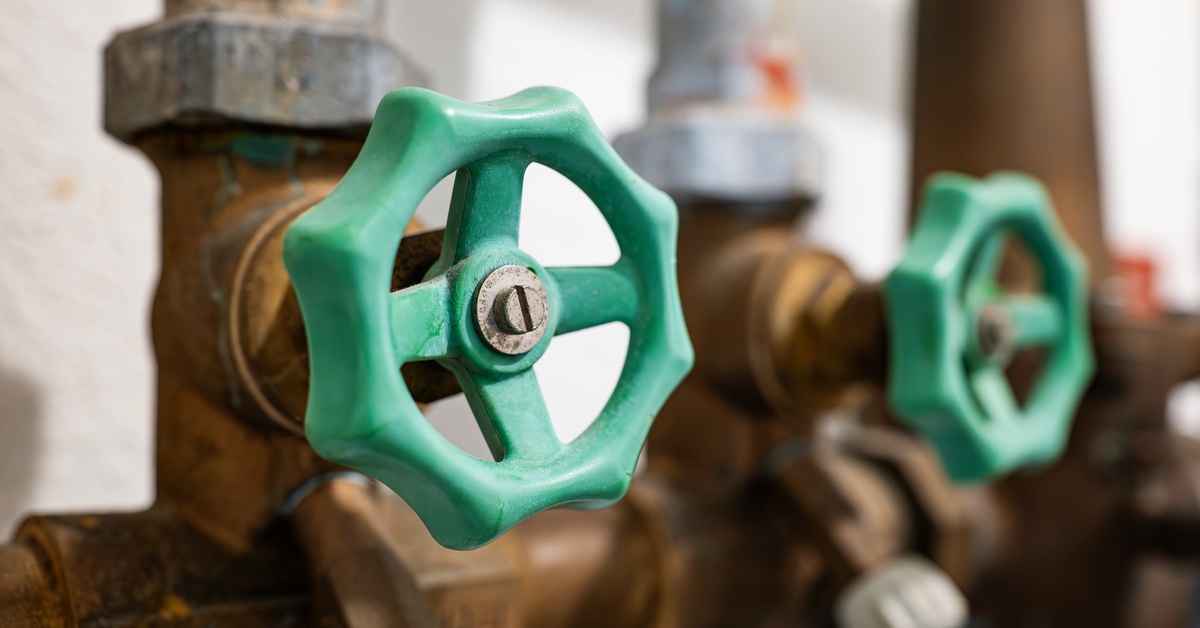
Debris is one of the biggest enemies of valve performance. Dirt, sand, grease, and mineral buildup can interfere with movement and sealing.
Flush your system regularly to prevent buildup inside the valve. On the outside, wipe down valves to remove grime that could work its way into moving parts.
If you notice resistance when opening or closing, cleaning should be your first step before assuming a mechanical issue.
Friction wears down internal parts over time. Proper lubrication reduces that wear and keeps operation smooth.
Use a lubricant that works with brass and matches your application. Avoid anything that could contaminate your system, especially in water-related setups.
Apply lubrication to handles, stems, and any exposed moving parts. Do not overdo it—too much can attract debris and cause more problems.
Brass resists rust, but it can still corrode under certain conditions. Water chemistry, especially high mineral content or acidity, can speed up the process.
Look for discoloration, pitting, or surface changes. These signs usually show up before performance issues begin.
If you catch corrosion early, you may be able to clean or treat the valve instead of replacing it outright.
It is easy to think tighter equals better when it comes to fittings. That approach can actually damage brass components.
Over-tightening puts stress on threads and seals. Over time, that can lead to cracks or leaks.
Tighten connections to the proper level and rely on quality seals or thread tape to do the rest of the work.
Valves that sit unused tend to stick. Internal components can seize up when they are not moved regularly.
Cycle your valves open and closed as part of routine maintenance. This keeps internal parts moving and prevents buildup from locking things in place.
Even valves that are not used often should get some movement now and then.
Seals and internal parts wear out before the valve body does. Waiting too long to replace them can lead to leaks or complete valve failure.
If you notice dripping, reduced control, or difficulty operating the valve, inspect the seals first.
Replacing small components early costs less and keeps the rest of the valve in good shape.
Temperature swings and pressure spikes shorten valve life. Brass expands and contracts with temperature changes, which can stress seals and fittings.
Use pressure regulators where needed and avoid exposing valves to conditions outside their rated limits.
If your setup runs in cold weather, take steps to prevent freezing. Frozen water can crack even durable brass components.
One of the easiest ways to extend valve life is to start with the right equipment. Not every valve works well in every application.
Match the valve type, size, and pressure rating to your system. Using undersized or mismatched valves forces them to work harder than they should.
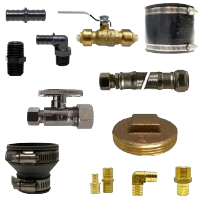
When working with brass water valves, proper selection plays a big role in long-term performance and reliability.
Downtime costs money, especially in field operations. Having spare seals, handles, or even backup valves ready can save you time when something fails.
You do not need to stock everything, but keeping commonly worn parts available makes repairs faster and easier.
This approach keeps your operation moving instead of waiting on parts.
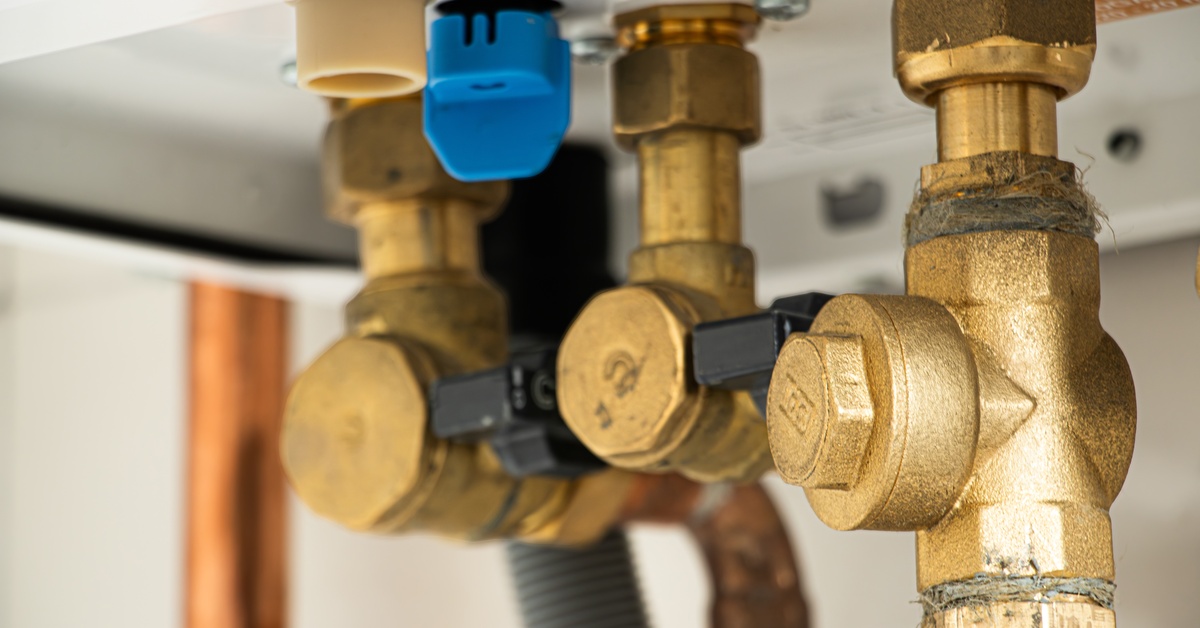
A few straightforward habits go a long way when it comes to valve longevity:
These steps take minimal time but prevent major issues down the line.
Improper use shortens valve life faster than anything else. Forcing handles, over-tightening, or using the wrong tools can cause immediate damage.
Make sure anyone working with your equipment understands how to operate valves correctly. That includes opening and closing them smoothly and recognizing when something feels off. A little training upfront prevents costly mistakes later.
Not every valve needs to be replaced at the first sign of trouble. In many cases, cleaning or replacing seals restores full function.
However, if the valve body shows cracks, severe corrosion, or consistent leaks, replacement makes more sense.
Trying to extend the life of a heavily damaged valve usually leads to more downtime and frustration.
Brass valves hold up well in demanding environments, but they are not maintenance-free. Regular inspections, cleaning, and proper use make all the difference.
When you stay ahead of wear and address small issues early, you get more life out of your equipment and fewer surprises on the job. That matters whether you are handling wastewater, running a jetting system, or managing fluid transfer in the field.
Keeping your brass valves in good condition does not require complicated steps. It just takes consistency and attention to detail, something every good operator already brings to the table.