Author: Tyler Mashek
Sewer cleaning equipment works in tough environments every day. Jetters, pumps, hoses, nozzles, reels, and other components face constant exposure to water, debris, chemicals, and abrasive materials. Even the best equipment wears down faster without regular maintenance. A consistent maintenance routine keeps equipment reliable, reduces unexpected repairs, and helps crews complete jobs without unnecessary downtime.
Year-round maintenance does not require complicated procedures. Instead, it depends on performing simple inspections, cleaning equipment properly, replacing worn parts before they fail, and adjusting maintenance routines as seasons change. Small preventive steps often save thousands of dollars in repair costs while extending the life of expensive equipment.
Whether you operate a single sewer cleaning truck or manage an entire fleet, maintaining every major component throughout the year helps maximize performance and improve jobsite safety.
Waiting until equipment breaks creates expensive problems. A failed pump, clogged nozzle, damaged hose, or leaking fitting can stop work immediately and delay scheduled jobs.
Preventive maintenance helps operators:
Regular inspections also make it easier to identify small issues before they become major repairs.
A quick inspection before leaving the yard often prevents costly problems later in the day.
Walk around the truck and inspect all visible components. Look for loose hardware, damaged fittings, cracked hoses, leaks, worn belts, unusual corrosion, or damaged electrical connections.
Pay close attention to moving parts. Reels, bearings, hinges, valves, and rotating components should move smoothly without excessive resistance or unusual noises.
Testing equipment before arriving at the jobsite gives operators time to correct problems instead of discovering them during an active project.
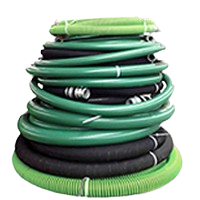
Hoses represent one of the hardest-working components on sewer cleaning equipment. They experience constant pressure, abrasion, twisting, dragging, and exposure to chemicals.
After every job, rinse hoses thoroughly to remove dirt, grit, grease, and wastewater residue. Leaving contaminants on the hose exterior increases wear over time.
Inspect the full hose length for cuts, bulges, abrasions, soft spots, or damaged couplings. Replace damaged sections immediately rather than attempting temporary repairs that could fail under pressure.
Proper storage also matters. Avoid tight bends or kinks when winding hoses onto reels. Store discharge hoses clean and dry whenever possible to reduce premature deterioration during periods of inactivity.
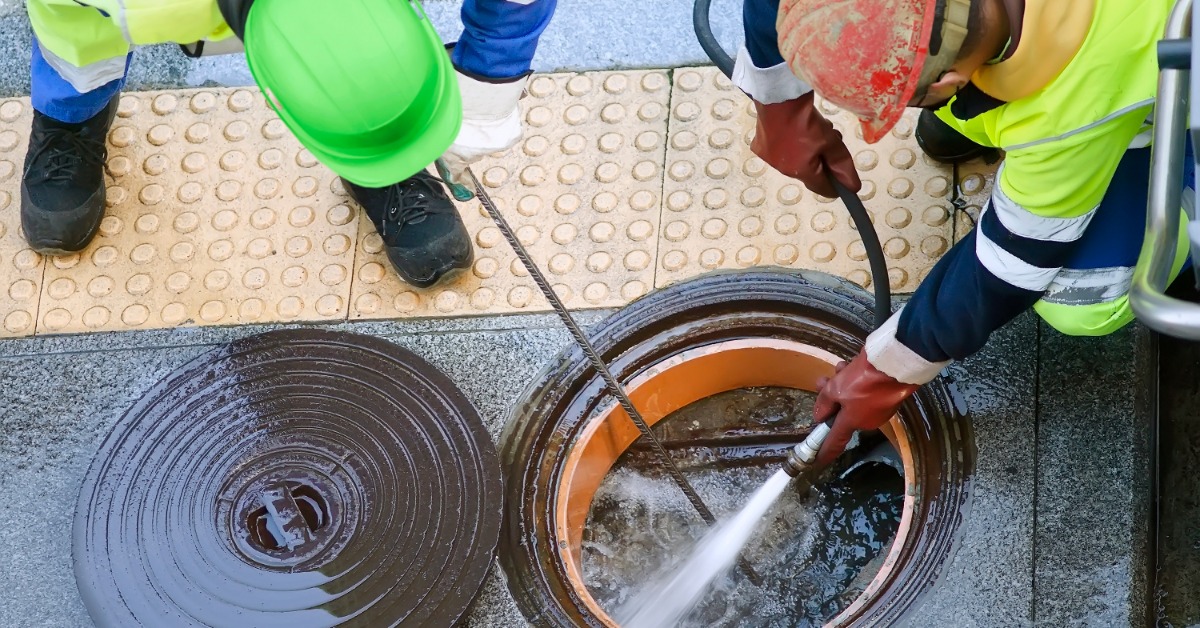
The pump serves as the heart of every sewer cleaning system. Declining performance often develops gradually, making routine monitoring especially valuable.
Watch for changes in operating pressure, unusual vibration, excessive heat, or inconsistent flow. These symptoms often indicate developing problems that deserve immediate attention.
Follow manufacturer recommendations for lubrication, fluid changes, and scheduled service intervals. Replacing worn seals, bearings, or other wear items before failure protects the entire pumping system.
Operators should also monitor operating temperatures during heavy use. Excessive heat frequently signals restricted flow, insufficient lubrication, or internal wear.
Cleaning nozzles immediately after each job keeps water flowing properly and maintains consistent cleaning performance.
Mineral deposits, grease, sand, and debris can partially block nozzle openings over time. Even small obstructions affect spray patterns and reduce cleaning efficiency.
Use proper cleaning tools instead of improvised objects that may damage precision openings. Inspect nozzle threads and sealing surfaces while cleaning to ensure secure installation during the next job.
Keeping multiple nozzles available also allows operators to rotate equipment and reduce unnecessary wear.
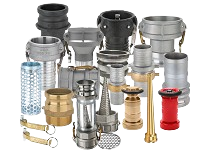
Inspect threaded connections, quick-connect couplings, clamps, and seals throughout the system. Replace worn O-rings, cracked gaskets, or damaged threads before leaks develop into larger failures.
Tighten fittings according to manufacturer recommendations. Excessive tightening can damage components just as easily as loose connections.
Small leaks may appear insignificant initially, but they often worsen under pressure and eventually interrupt operations.
Clean water supports efficient sewer cleaning.
Sediment, algae, scale, and debris can accumulate inside water tanks over time. Regular tank cleaning helps maintain water quality while reducing contamination throughout the system.
Inspect filters frequently and clean or replace them as needed. Restricted filters force pumps to work harder and reduce overall system performance.
Maintaining proper water quality also helps protect valves, pumps, and nozzles from unnecessary wear caused by contaminants.
Winter introduces unique maintenance challenges.
Water left inside pumps, hoses, valves, or plumbing components can freeze and expand. Frozen water often cracks fittings, damages seals, and creates expensive repairs before spring arrives.
Drain systems completely whenever freezing temperatures are expected. Follow manufacturer procedures for winterizing equipment, including using approved antifreeze products where appropriate.
Store portable equipment indoors whenever practical. Heated storage reduces freeze-related damage while making equipment easier to prepare for the next job.
Cold weather also increases hose stiffness. Handle hoses carefully during winter to prevent cracking caused by excessive bending.
Hot weather creates different maintenance concerns.
High temperatures increase stress on pumps, hydraulic systems, engines, and other components. Check coolant levels regularly and ensure cooling systems operate efficiently.
Inspect belts more frequently during summer since elevated temperatures accelerate wear.
Sunlight also damages rubber components over time. Whenever possible, park equipment in shaded areas or use protective covers during extended storage.
Maintaining proper ventilation around engines and pumps also helps reduce operating temperatures during demanding jobs.
Many sewer cleaning systems include moving mechanical components that require regular lubrication.
Bearings, hinges, reel mechanisms, pivot points, and certain drive components all benefit from scheduled lubrication.
Use only lubricants recommended by equipment manufacturers. Different applications require different grease formulations or oils, and using the wrong product may reduce component life.
Avoid over-lubricating components. Excess grease attracts dirt and abrasive particles that accelerate wear instead of preventing it.
A written lubrication schedule helps ensure nothing gets overlooked throughout the year.
Good maintenance depends on good documentation.
Record every inspection, repair, lubrication, filter replacement, fluid change, and major service event.
Detailed records help operators identify recurring issues while simplifying preventive maintenance scheduling.
Fleet managers also benefit from maintenance histories when budgeting repairs or deciding when equipment replacement becomes more cost-effective than continued repairs.
Documentation creates consistency across multiple operators and service technicians.
Every component has a service life. Nozzles, seals, belts, filters, O-rings, bearings, hoses, and valves all wear gradually with normal use.
Waiting until complete failure usually creates additional damage and increases downtime.
Replacing wear parts according to scheduled maintenance intervals keeps equipment operating efficiently while preventing larger repair bills.
Keeping commonly needed replacement parts in inventory also minimizes delays when maintenance becomes necessary.
The best maintenance program focuses on consistency instead of reacting to problems.
Daily inspections, weekly cleaning, monthly lubrication, seasonal preparation, and scheduled component replacement work together to keep sewer cleaning equipment operating reliably throughout the year.
A well-maintained system performs better, lasts longer, and creates fewer unexpected interruptions. Operators spend less time dealing with emergency repairs and more time completing productive work.
Taking care of sewer cleaning equipment throughout every season protects your investment while helping your crew deliver dependable performance on every job.