Author: Tyler Mashek
Sewer cleaning systems handle some of the toughest jobs in the wastewater industry. Every day, operators deal with grease, sludge, roots, sand, wipes, and other debris that can slow production or stop equipment completely. Even a small blockage inside a hose, nozzle, pump, or line can create unnecessary downtime and expensive repairs.
The good news is that many blockages develop because of preventable issues rather than equipment failure. Routine inspections, proper operating procedures, and regular maintenance help keep sewer cleaning equipment working efficiently.
Whether you operate a vacuum truck, sewer jetter, or combination unit, understanding why blockages happen allows you to reduce service interruptions and improve productivity. The following maintenance practices help keep equipment flowing and jobs moving.
The first step toward preventing blockages involves knowing what creates them.
Several materials commonly restrict flow inside sewer cleaning equipment. Grease hardens as temperatures change. Tree roots collect around joints and damaged pipe sections. Sand and gravel settle inside hoses and tanks. Disposable wipes, rags, and hygiene products catch on fittings and gradually build larger obstructions.
Equipment issues also contribute to blockages. Damaged hoses, worn nozzles, collapsed suction lines, or improperly sized components all reduce flow. Even minor restrictions create places where debris begins to accumulate.
Finding these issues early keeps them from becoming larger problems later.
Daily inspections take only a few minutes, but they often prevent hours of downtime.
Walk around the truck before leaving the yard. Look for worn hoses, loose fittings, cracked seals, and damaged couplings. Check that valves open and close smoothly. Inspect nozzles for wear or partially blocked openings.
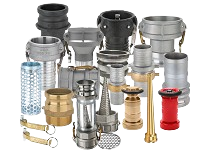
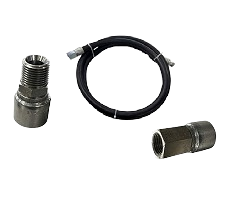
Pay close attention to connections. Loose or damaged fittings reduce performance and allow debris to collect around irregular surfaces. Properly secured camlock hose fittings help maintain reliable connections while allowing operators to disconnect equipment quickly during maintenance.
A consistent inspection routine catches problems before they interrupt work.
Hoses move large amounts of wastewater and debris every day. Residue eventually builds inside if operators never clean them thoroughly.
Flush hoses with clean water after each job whenever practical. Removing leftover debris prevents hardened material from restricting flow before the next project.
Inspect the hose exterior as well. Cuts, abrasions, flattened sections, and soft spots often indicate internal damage. A weakened hose can collapse under operating conditions and create flow restrictions that resemble clogs.
Clean hoses also last longer because abrasive material does not remain inside after every use.
Nozzles play a major role in keeping sewer cleaning systems operating efficiently.
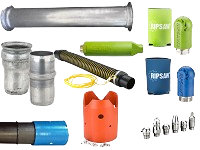
Different cleaning situations require different spray patterns and water pressure. Penetrator nozzles work well for breaking through tough blockages. Flushing nozzles move loosened debris downstream. Root-cutting nozzles address vegetation inside sewer lines.
Using the wrong nozzle often reduces cleaning efficiency. Operators may spend more time in one location while loosened material collects inside the pipe.
Selecting the proper nozzle improves cleaning performance while reducing the chance of secondary blockages.
Consistent water pressure keeps sewer jetting systems working as designed.
Pressure that runs too low may fail to move debris completely through the pipe. Pressure that exceeds equipment recommendations creates unnecessary wear on pumps, hoses, and fittings.
Flow rate matters just as much. Adequate water volume carries loosened material out of the system instead of allowing it to settle farther down the line.
Monitor gauges throughout each job. Unexpected pressure changes often signal developing restrictions, worn components, or partially blocked nozzles before complete failure occurs.
Vacuum tanks collect an incredible amount of material during normal operation.
Allowing debris to remain inside the tank between jobs creates unnecessary problems. Heavy solids settle to the bottom while grease hardens against tank walls. Over time, accumulated material restricts flow and increases cleaning difficulty.
Schedule regular tank cleanouts instead of waiting until buildup becomes severe.
During cleaning, inspect internal components for damage or excessive wear. Catching problems during scheduled maintenance prevents unexpected repairs later.
Filters protect pumps and other equipment from harmful debris.
As filters collect material, flow gradually decreases. Operators sometimes notice reduced performance without realizing a clogged filter causes the issue.
Clean or replace filters according to manufacturer recommendations. Inspect strainers during routine maintenance and remove accumulated debris before restrictions develop.
Pay attention to recurring clogs. Frequent filter blockage may indicate upstream equipment problems that require additional inspection.
Clean filtration components help maintain consistent performance throughout the system.
Most major blockages begin with small warning signs.
Do not ignore unusual noises, reduced suction, inconsistent pressure, slower cleaning speeds, or increased vibration. These symptoms often indicate developing restrictions somewhere in the system.
Operators who recognize these warning signs early usually avoid larger repairs.
Some common indicators include:
Investigating these symptoms immediately often prevents complete system shutdowns.
Even well-maintained equipment performs poorly without proper operation.
Every operator should understand startup procedures, shutdown procedures, inspection routines, and equipment limitations. Consistent operating practices reduce unnecessary wear while helping crews recognize problems early.
Training should also cover proper hose handling. Dragging hoses across rough surfaces, making tight bends, or forcing equipment around sharp corners shortens hose life and increases blockage risks.
Experienced operators know that careful equipment handling saves time over the long run.
Waiting for equipment to fail almost always costs more than scheduled maintenance.
Create a maintenance calendar based on operating hours and manufacturer recommendations. Include inspections for pumps, valves, hoses, tanks, nozzles, filters, and vacuum systems.
Document completed maintenance so operators know when each component received service. Maintenance records also help identify recurring issues that may require permanent solutions.
Preventive maintenance reduces emergency repairs while increasing equipment reliability throughout the year.
Proper storage prevents many issues that contribute to blockages.
Drain hoses before storage whenever possible. Standing water allows sediment to settle inside the hose, creating restrictions before the next job begins.
Store hoses without severe bends or kinks. Keep fittings clean and protected from dirt. Cover exposed connections when equipment remains outside for extended periods.
Clean storage practices reduce contamination while extending equipment life.
Every sewer cleaning system contains wear items that eventually require replacement.
Hoses lose flexibility over time. Nozzles wear from constant exposure to abrasive materials. Seals harden with age. Valves develop leaks after years of service.
Replacing these components during scheduled maintenance prevents sudden failures in the field.
Waiting until equipment completely fails often results in additional damage throughout the system. Proactive replacement keeps equipment operating consistently while reducing costly downtime.
Reliable equipment begins with reliable components.
Choosing quality hoses, fittings, valves, pumps, and accessories helps maintain consistent performance across every job. Well-manufactured components typically resist wear better and maintain proper flow longer than lower-quality alternatives.
Working with experienced suppliers also gives operators access to knowledgeable product recommendations when replacing equipment or upgrading existing systems.
Quality parts support long-term reliability throughout sewer cleaning operations.
Preventing blockages requires consistency more than anything else.
Daily inspections, routine cleaning, scheduled maintenance, and careful equipment operation work together to reduce restrictions before they become major problems. These habits improve productivity while helping operators avoid unexpected downtime during busy work schedules.
Sewer cleaning equipment represents a significant investment. Protecting that investment starts with regular maintenance and attention to small details. When operators stay proactive, sewer cleaning systems remain dependable, efficient, and ready for the next job.