Author: Tyler Mashek
Downtime can turn a productive day into an expensive headache. When a pump stops working, the problem affects more than the equipment itself. Crews may sit idle, schedules can fall behind, and a relatively small repair can disrupt several jobs.
Operators cannot prevent every equipment problem, but they can take practical steps to keep pumping systems working reliably. Regular inspections, proper operation, preventive maintenance, and smart parts management all help reduce unexpected interruptions. A consistent approach also makes it easier to catch minor problems before they become major failures.
A quick inspection before each shift can uncover problems that might otherwise cause downtime later in the day. Operators should look over the pump, hoses, fittings, valves, seals, and other system components before starting a job.
Pay attention to cracks, loose connections, unusual wear, leaks, and damaged hardware. A few minutes spent checking equipment can save considerably more time if it prevents a failure at the job site.
Crews should also inspect equipment again after demanding jobs. Harsh conditions can accelerate wear, so a post-job inspection gives operators another chance to identify developing problems.
Waiting until equipment breaks usually creates longer and less predictable interruptions. Preventive maintenance gives operators more control over when equipment leaves service.
Build a maintenance schedule around the pump manufacturer's recommendations and the conditions in which the equipment operates. Pumps that run for long hours or work in demanding environments may need attention more frequently than equipment with lighter workloads.
Keep maintenance intervals consistent instead of relying on memory. A written schedule helps crews know when they need to inspect, lubricate, clean, adjust, or replace specific components.
Different types of pumps work in different ways, and maintenance practices should reflect those differences. Operators need to understand what their specific equipment does before troubleshooting or changing operating procedures.
A vacuum pump, for example, moves air from a tank to create negative pressure. When an operator opens the appropriate valve, material moves toward that lower-pressure space. The vacuum pump itself should not handle the pumped material.
Water pumps work differently. Depending on the design, an impeller, diaphragm, or another pumping mechanism moves fluid through the system and creates pressure. Understanding that distinction helps crews recognize abnormal operation and avoid maintenance practices that do not fit the equipment.
Equipment often provides warning signs before it fails completely. Operators who know what normal performance looks and sounds like have a better chance of catching trouble early.
Pay attention to changes in noise, vibration, temperature, pressure, vacuum level, flow, or operating speed. A sudden difference does not automatically mean a major repair lies ahead, but it does give the crew a reason to investigate.
Do not ignore small changes because the equipment still runs. Finding the source of an abnormal condition early can prevent additional component damage.
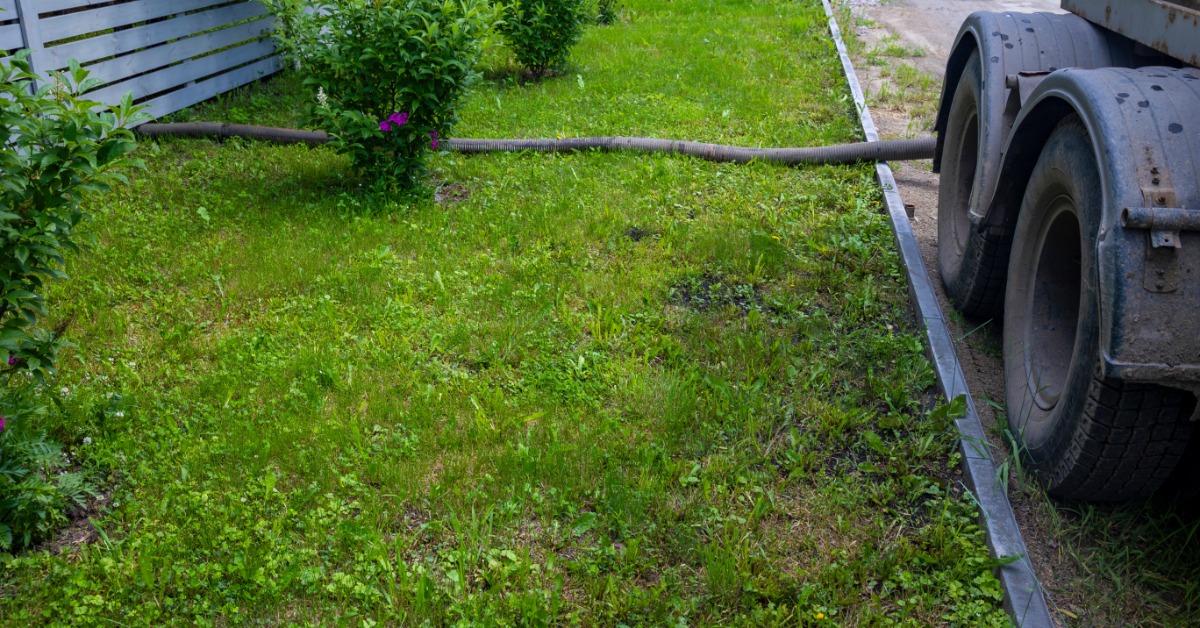
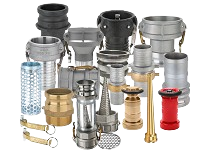
A pump can work correctly while another part of the pumping system causes delays. Hoses, fittings, clamps, couplings, and valves all need regular attention.
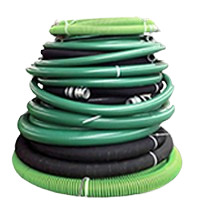
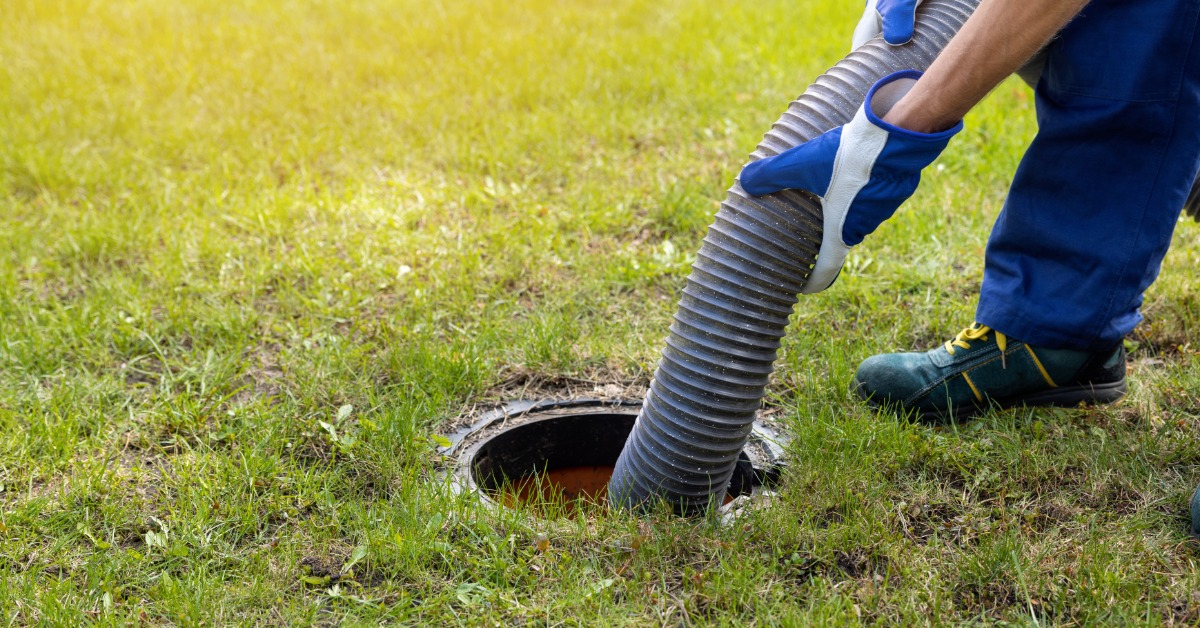
Check hoses for cracking, abrasion, soft spots, kinks, or other damage. Inspect connections for wear and make sure they fit securely. A damaged hose or poor connection can interfere with system performance and potentially stop the job altogether.
Store hoses correctly between jobs as well. Keeping them away from unnecessary heat, sharp objects, damaging chemicals, and other hazards can help extend their useful life.
Dirt and debris can make inspections more difficult and contribute to equipment problems. A regular cleaning routine gives crews a clearer view of components while keeping buildup under control.
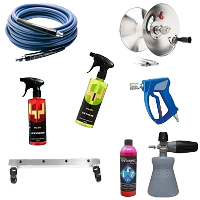
The exact cleaning process depends on the equipment. Crews may use washdown equipment and pressure washer guns for appropriate exterior cleaning tasks, but they should always follow manufacturer recommendations and avoid directing high-pressure water toward sensitive components.
Cleaning also gives operators another opportunity to spot loose hardware, leaks, cracks, and other developing issues.
Even reliable equipment can experience unnecessary wear when operators use it incorrectly. Training helps crews understand operating limits, startup procedures, shutdown steps, and warning signs.
New operators should learn more than how to turn equipment on and off. They need to know how the entire pumping system works and what conditions indicate a potential problem.
Experienced operators also benefit from refreshers when equipment changes. When a company adds a new pump, hose configuration, valve, or accessory, crews should understand how that change affects normal operation.
Sometimes a small component creates a big delay. If a worn seal, fitting, clamp, or other replaceable part fails and the crew has no replacement available, the equipment may remain idle while someone tracks down the right component.
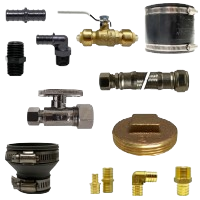
Operations can reduce that risk by maintaining an inventory of commonly needed parts. The exact list will depend on the equipment, but crews may want to keep frequently replaced items readily available, such as:
Inventory needs can change over time. Maintenance records can help managers determine which parts fail or wear most frequently.
Trying to squeeze extra performance from a pump may save a few minutes in the short term, but excessive stress can create much longer delays later.
Follow the manufacturer's operating specifications and use equipment that matches the application. Consider factors such as operating conditions, system configuration, fluid characteristics, and required performance when selecting and using a pump.
If equipment constantly operates near or beyond its intended limits, the operation may need a different setup. Repeated breakdowns should prompt crews to examine the application instead of simply replacing the same failed parts.
Troubleshooting should not stop at the pump. A restriction, damaged hose, leaking connection, malfunctioning valve, or another system issue can affect performance even when the pump remains mechanically sound.
Look at the system as a whole when performance changes. Check the path through which air or fluid needs to move and inspect the components that control or connect that path.
This approach can also prevent unnecessary pump repairs. Identifying the actual source of a performance problem gets equipment back to work faster.
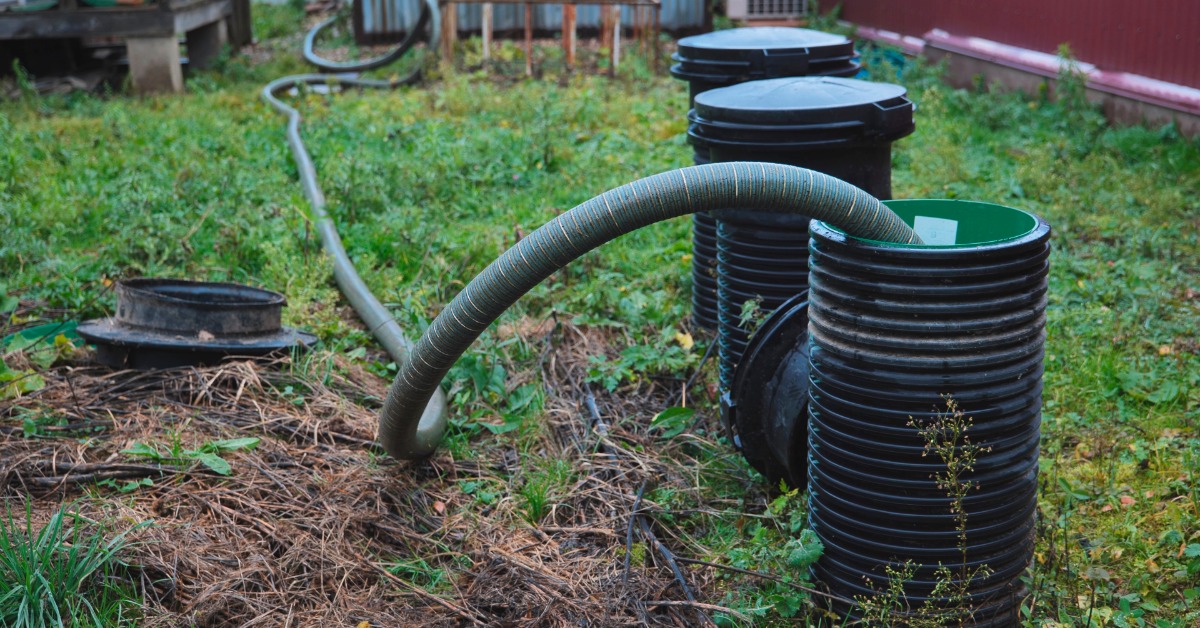
Even a strong maintenance program cannot eliminate every unexpected failure. Crews should know what to do when equipment stops working.
A basic response plan should establish who troubleshoots the equipment, who authorizes repairs, where replacement parts come from, and when the company should contact a supplier or service provider. Clear responsibilities prevent confusion while a truck or crew sits idle.
Operators should also know when to stop troubleshooting. Continuing to run damaged equipment can turn a manageable repair into a much larger problem.
Every breakdown provides useful information. Once crews complete a repair, they should determine what happened and whether they could reasonably prevent the same issue in the future.
Look at maintenance history, component condition, operating practices, and inspection records. A repeated failure may point to an overlooked maintenance need or an equipment mismatch.
The goal does not need to involve complicated analysis. Simple questions about what failed, why it failed, and what could change can improve future maintenance decisions.
Reducing downtime usually comes down to consistent habits rather than one major change. Operators who inspect equipment, follow maintenance schedules, use pumps correctly, and address warning signs promptly give themselves a better chance of avoiding unexpected interruptions.
The same principle applies to parts and accessories. Keeping essential components available and maintaining hoses, valves, fittings, and connections helps support reliable operation across the entire pumping system.