Author: Tyler Mashek
Hoses take a beating in the field. Whether you run septic, hydro excavation, or portable sanitation equipment, your hoses deal with pressure, abrasion, weather, and constant handling. Most operators focus on performance during use, but storage plays just as big of a role in how long a hose lasts.
Poor storage habits shorten hose life fast. Cracks, kinks, leaks, and weakened walls often trace back to how someone stored the hose at the end of the day. If you want to protect your investment and avoid downtime, proper storage needs to become part of your routine.
A hose might look tough, but it still has limits. Rubber, PVC, and composite materials all break down when exposed to stress over time. Storage conditions directly affect that breakdown.
When you store a hose correctly, you reduce internal stress, prevent structural damage, and keep fittings in good condition. That means fewer failures on the job and fewer emergency replacements.
Improper storage creates damage you might not notice right away. Over time, those small issues turn into major problems.
You’ll often see:
These problems reduce efficiency and increase the risk of failure during operation.
Sunlight causes more damage than most people realize. UV rays degrade rubber and synthetic materials, making them brittle and prone to cracking.
If you leave hoses exposed on a truck bed or job site, the outer layer starts to break down first. Eventually, that damage works its way inward.
Covered storage or shaded areas go a long way in protecting hose integrity.
Temperature swings also take a toll. Cold weather stiffens hoses and increases the chance of cracking during handling. Heat softens materials and can weaken structural layers.
If you store hoses in extreme conditions, you increase stress on the material even when the hose isn’t in use. Over time, that stress leads to premature failure.
A stable environment helps maintain flexibility and strength.
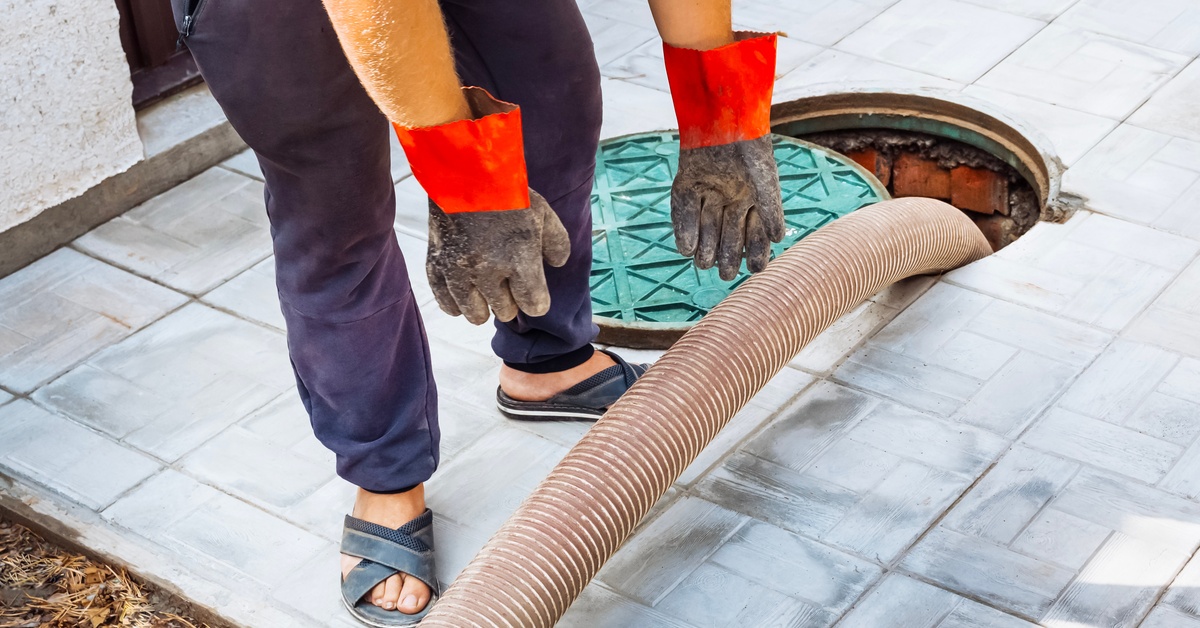
Coiling might seem simple, but it makes a big difference. Tight, uneven coils create pressure points inside the hose wall.
Those pressure points can lead to:
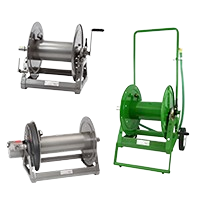
Using wide, even coils helps distribute stress evenly. Hose reels or proper coiling techniques keep everything in shape and ready for the next job.
Storing a dirty hose invites trouble. Residual materials inside the hose can cause internal wear, odor buildup, or even chemical degradation.
Before storage, always flush out the hose thoroughly. This step matters even more when working with waste or abrasive materials. Clean hoses last longer and perform more reliably.
Moisture might not seem like a problem, but it can lead to mold, mildew, and material breakdown over time.
If water sits inside a hose during storage, it creates an environment where damage can develop from the inside out. Proper draining and drying prevent that hidden deterioration.
Fittings often fail before the hose itself. Poor storage puts extra strain on couplings, threads, and seals.
If you let hoses hang by the fittings or drag them into storage, you increase wear on connection points. That leads to leaks and unsafe operation.
Store hoses in a way that supports both the hose body and the fittings evenly.
Building good habits doesn’t take much effort, but it pays off in the long run. A few consistent steps can extend hose life significantly.
These simple practices reduce wear and help maintain performance.
Not all hoses handle storage the same way. Material and application matter.
For example, a suction and discharge hose often has thicker walls and reinforcement layers. That makes it durable, but it still needs proper coiling and protection from UV exposure to maintain flexibility.
Lighter hoses may require even more care since they kink more easily and have less structural support.
Understanding your hose type helps you choose the right storage approach.
Damaged hoses slow everything down. Reduced flow, leaks, or unexpected failures cost time and money.
When hoses stay in good condition, jobs move faster. You don’t waste time troubleshooting or swapping out equipment mid-task. Good storage habits translate directly into smoother operations.
Hoses aren’t cheap, especially in demanding industries like wastewater and hydro excavation. Frequent replacements add up quickly.
Proper storage extends service life, which means fewer purchases and less downtime. Over time, that creates noticeable cost savings.
For operators managing multiple hoses, the impact becomes even more significant.
You don’t need a complicated system. The key is consistency.
At the end of each job:
This routine takes a few extra minutes but prevents hours of frustration later.
Operators who spend years in the field understand one thing clearly: equipment care matters. They know that small habits make a big difference over time.
Proper hose storage isn’t about being overly careful. It’s about avoiding preventable problems and keeping equipment ready when you need it. That mindset separates smooth operations from constant headaches.
Hoses handle some of the toughest jobs in the industry. They move waste, water, and debris under demanding conditions. Giving them proper storage helps make sure they stay reliable and safe to use.
When you protect your hoses from sunlight, temperature extremes, improper coiling, and leftover debris, you extend their lifespan and improve performance. That leads to fewer breakdowns and better results on every job. Taking care of your hoses helps you get the most out of that equipment and keeps your work moving without interruption.