Author: Tyler Mashek
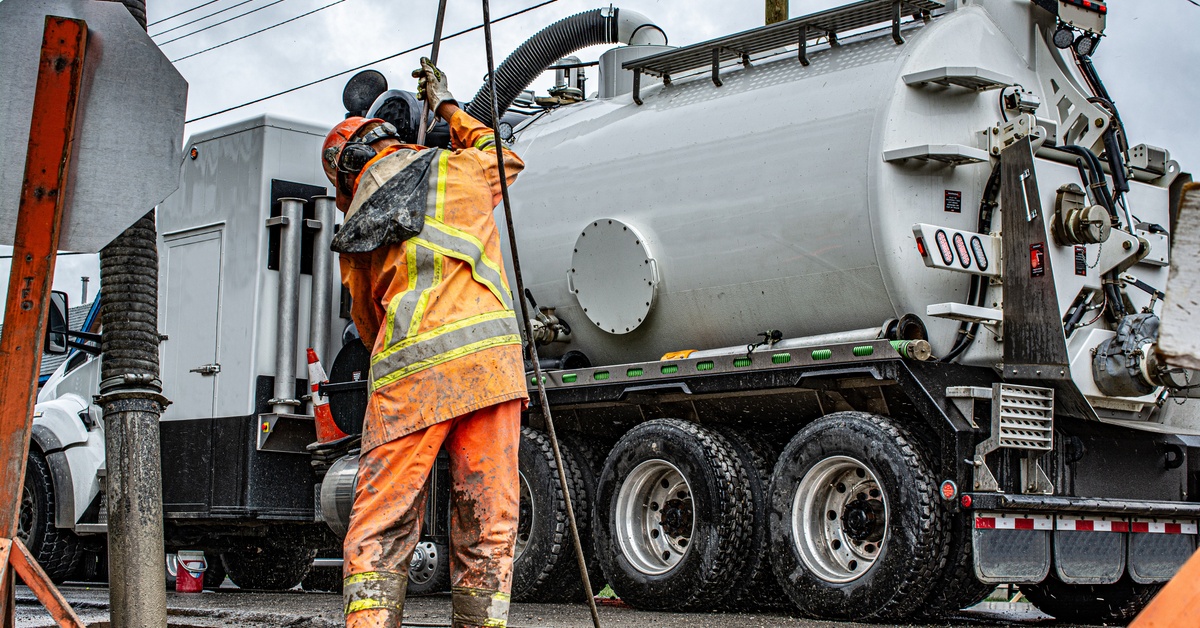
Hydro excavation has come a long way from basic vacuum and water systems. Crews now expect faster digging, cleaner results, and better control on every job. New technology continues to push the industry forward, especially for operators who rely on precision and efficiency. If you work in excavation or run a vacuum truck, staying current with these trends helps you stay competitive.
Below, we’ll break down the most important innovations shaping hydro excavation today and what they actually mean in the field.
Demand for safer digging drives most of the recent changes. Crews need to expose utilities without damaging them, and regulations continue to tighten around underground work.
At the same time, job sites demand faster turnaround. Contractors want equipment that moves more material with less downtime. Manufacturers respond by improving performance, durability, and ease of use across the board.
Modern vacuum systems deliver stronger and more consistent suction. Operators now move material faster, even in tough soil conditions.
Positive displacement blowers and advanced fan systems have become more efficient. They reduce energy loss while maintaining airflow. This means crews can dig deeper and work longer without sacrificing performance.
Better filtration systems also protect internal components. That leads to longer equipment life and fewer maintenance headaches.
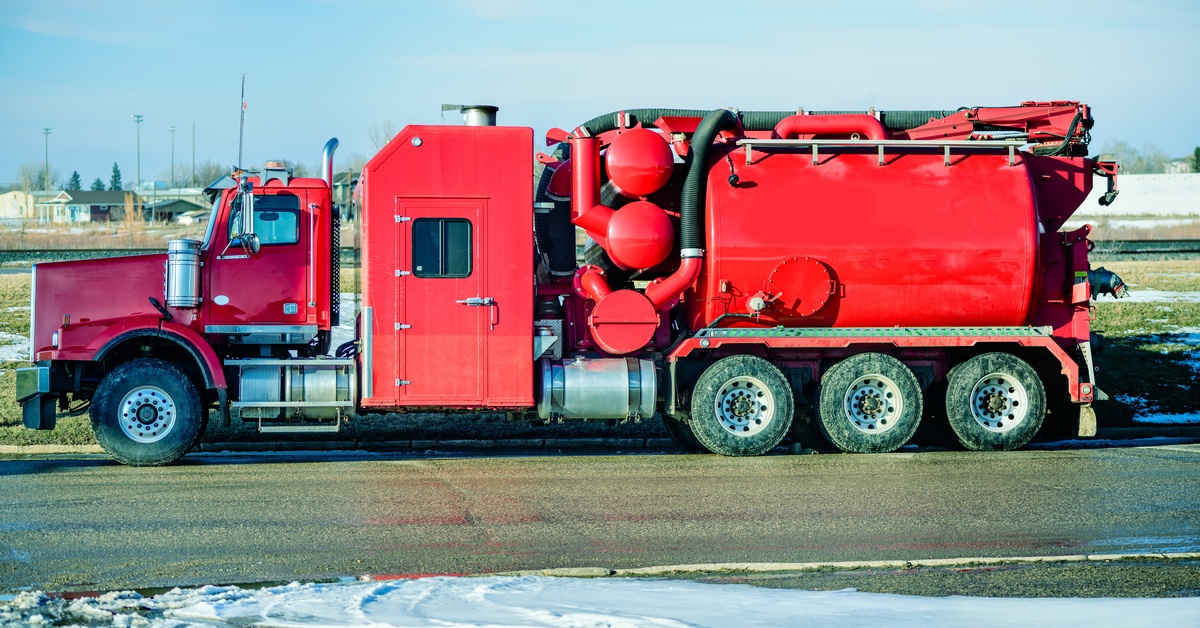
Water systems play a huge role in hydro excavation performance. New designs focus on precision and control rather than just raw pressure.
Adjustable pressure settings let operators match the job instead of blasting everything at full force. This reduces damage risk when working near sensitive utilities.
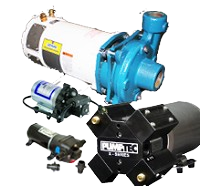
Improved pump designs also maintain consistent flow. That consistency helps crews cut through soil evenly and avoid unnecessary rework.
Cold weather used to slow hydro excavation jobs to a crawl. Frozen ground created serious challenges for crews.
Heated water systems now solve that problem. These systems allow operators to cut through frozen soil without switching methods or delaying projects.
Key benefits include:
This innovation has expanded hydro excavation into regions and seasons that used to limit its use.
Operators now have more control than ever thanks to digital interfaces and automation. Control panels have become easier to use and more precise.
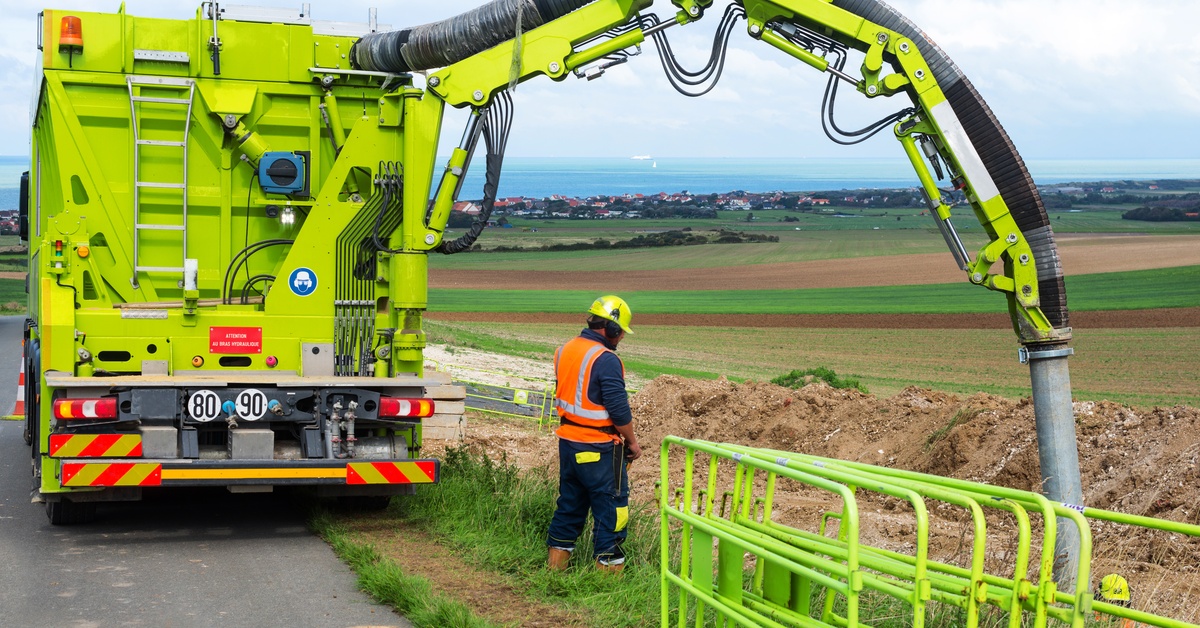
Some systems allow remote operation, which improves safety. Operators can manage water pressure, vacuum strength, and boom positioning without standing near the excavation area.
Automation also helps reduce operator error. Systems can maintain optimal settings, which leads to more consistent results across different crews and job sites.
Boom systems continue to evolve with better materials and smarter engineering. New designs extend reach while maintaining stability.
Lightweight materials reduce strain on the truck while still providing strength. This allows operators to access tight or difficult areas without repositioning the entire vehicle.
Improved articulation also gives crews more flexibility. They can work around obstacles and reach deeper excavation points with greater control.
Debris handling systems have become more efficient and easier to maintain. Modern filtration setups separate materials more effectively before they reach critical components.
This reduces wear and tear inside the system. It also improves airflow, which keeps suction levels high.
Better debris tank designs make dumping faster and cleaner. Operators spend less time dealing with material and more time getting work done.
Fleet management technology has entered the hydro excavation space in a big way. Telematics systems now track equipment performance in real time.
Operators and managers can monitor:
This data helps crews identify problems early. It also improves scheduling and reduces unexpected downtime.
For companies running multiple units, this kind of visibility makes a big difference in overall efficiency.
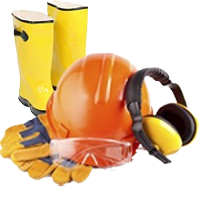
Safety remains a top priority across the industry. New equipment includes features designed to protect both operators and underground infrastructure.
Pressure control systems reduce the risk of damaging pipes and cables. Emergency shut-off features allow crews to respond quickly if something goes wrong.
Improved lighting and visibility also help operators work safely in low-light conditions. These upgrades make job sites safer without slowing down production.
Hydro excavation already offers a cleaner alternative to traditional digging methods. New technology pushes that advantage even further.
Manufacturers now design systems that use water more efficiently. This reduces waste and lowers operating costs.
Some equipment also includes features that minimize emissions. Cleaner engines and optimized fuel usage help companies meet environmental standards without sacrificing performance.
Hydro excavation does not operate in isolation. Crews often use it alongside other tools and systems on the job site.
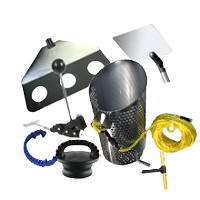
Modern setups integrate more easily with supporting gear, including advanced hydro excavation equipment designed for specific applications. This allows operators to tailor their setup based on the type of work they handle most often.
Better compatibility leads to smoother workflows and fewer bottlenecks during complex projects.
All of these innovations point to one thing: efficiency matters more than ever. Equipment now needs to perform consistently under a wide range of conditions.
Operators who adopt newer technology can complete jobs faster and with fewer risks. That translates into better margins and stronger customer relationships.
At the same time, training becomes more important. Crews need to understand how to use advanced features properly to get the most out of their equipment.
Not every upgrade makes sense for every operation. The key is to focus on features that match your typical workload.
Look for equipment that offers:
Working with a knowledgeable supplier also helps. We here at Varco Supply specialize in supporting operators across the wastewater and excavation industries, which makes it easier to find the right fit for your setup .
Technology will continue to improve as demand grows. Expect to see even more automation, better fuel efficiency, and smarter data integration.
Manufacturers will likely focus on making systems easier to operate while increasing performance. This combination helps both experienced crews and newer operators succeed on the job.
Hydro excavation will remain a critical method for safe, precise digging. The tools just keep getting better at doing the job right.
Falling behind on technology can slow your operation down. Older systems often require more maintenance and deliver less consistent results.
Upgrading does not always mean replacing everything at once. Even small improvements in key areas can boost productivity.
Keeping up with industry trends helps you make smarter decisions. It also helps make sure your equipment works as hard as you do.
Hydro excavation technology continues to evolve with a clear focus on safety, efficiency, and control. From improved vacuum systems to smarter controls and better debris handling, each innovation solves real problems crews face every day.
Operators who pay attention to these trends gain an edge in both performance and reliability. The right equipment setup makes jobs easier, faster, and safer across the board.