Author: Tyler Mashek
Hydro excavation utilizes a combination of pressurized water and an industrial-strength vacuum system to remove soil precisely and non-destructively. This method protects underground utilities and provides a safer alternative to mechanical digging. However, the complex nature of these machines requires a strict maintenance schedule. The harsh environment of abrasive soil, water, and vibration places immense stress on components. Operators must perform consistent maintenance and service protocols to make sure that hydro excavation equipment operates at peak levels. Neglecting these systems leads to costly downtime, safety hazards, and reduced lifespan of the asset.
The debris body stores the slurry created during the excavation process. A vacuum seal is important for the system to function. Operators must inspect the rear door seal for cracks, cuts, or dried-out rubber. A compromised seal prevents the unit from building adequate vacuum pressure, which forces the blower to work harder than necessary. Clean the sealing surfaces after every dump cycle to remove grit that causes abrasion. Check the door latches and hydraulic cylinders for proper alignment and tension. Loose latches allow the door to shift during transport or operation, creating safety risks and potential vacuum leaks.
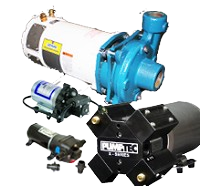
The water pump drives the excavation side of the unit. These pumps operate under high stress and require clean water to prevent internal damage. Technicians must check the oil level in the pump crankcase daily and change the oil according to the manufacturer's hourly intervals. Inspect the ceramic plungers for signs of pitting or cracking, as these defects tear the packing seals and cause water leaks into the oil. Listen for irregular knocking sounds, which often indicate valve issues or cavitation. Cavitation occurs when the pump lacks sufficient water supply, creating air bubbles that implode and damage internal components. Make sure the inlet strainers remain free of algae and sediment to maintain proper flow.
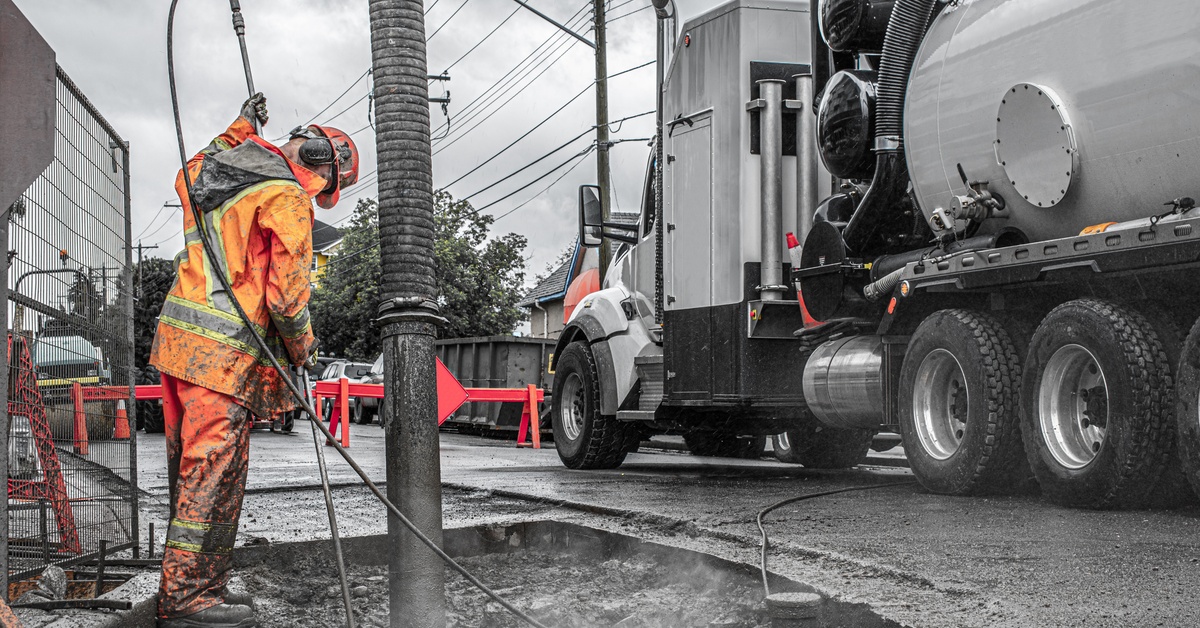
The vacuum blower represents the heart of the pneumatic system. It moves large volumes of air to create the suction necessary for debris removal. This component generates significant heat and relies on precise internal clearances. Check the oil levels in the gear end and drive end daily. Synthetic lubricants often provide better thermal stability for these high-temperature applications. Inspect the intake and exhaust silencers for obstructions that increase backpressure. High backpressure causes the blower to overheat, leading to seized rotors. Listen for mechanical clatter or squealing belts, which indicate bearing wear or loose drive components.
Protecting the vacuum blower from dust and debris is the primary function of the filtration system. The cyclone separator spins the air stream to drop out heavier particles before they reach the final filter. Operators must open and clean the cyclone cleanout door daily. If the cyclone fills up, material carries over into the baghouse or directly into the blower. Inspect the final filter cartridges or bags for holes and excessive clogging. A restricted filter reduces air flow and vacuum efficiency. When replacing damaged components, sourcing the correct hydrovac truck parts ensures the filtration system meets the specific airflow requirements of the blower.
The hydraulic system powers the boom, water pump, and dumping mechanism. Heat and contamination act as the primary enemies of hydraulic components. Check the fluid level and temperature gauge frequently during operation. High temperatures degrade the oil and damage seal materials. Inspect all hydraulic hoses for signs of abrasion, bubbling, or weeping fittings. A burst hydraulic hose creates an environmental spill and immediately halts operations. Replace the hydraulic return filters at specified intervals to trap contaminants before they circulate back to the tank and damage the pumps or motors.
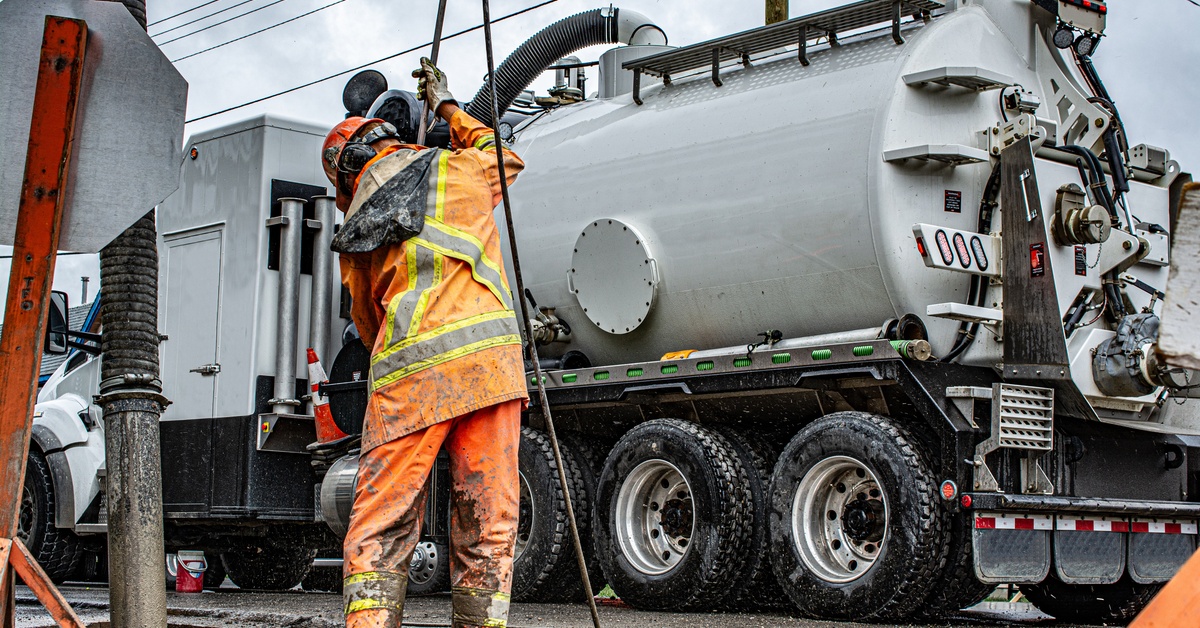
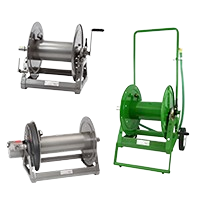
Friction causes rapid wear on metal-on-metal contact points. The boom turret allows the operator to position the suction hose precisely. This assembly carries the weight of the boom and the slurry within the hose. Grease the turret bearing and worm gear daily to prevent binding. Neglecting lubrication here leads to flat spots on the bearings and jerky, unpredictable movement. Grease all hinge points on the debris body, door locks, and hose reel swivels. Wipe away old, contaminated grease from the fittings before applying new lubricant to prevent forcing dirt into the bearing.
Modern hydro excavators rely on electronic control systems for engine throttle, pump engagement, and boom operation. Inspect the wireless remote control for physical damage and ensure the batteries hold a charge. A failing remote compromises the operator's ability to control the unit safely from a distance. Check the condition of all wiring harnesses, looking for chafing or melted insulation near hot exhaust components. Verify that all work lights and strobe lights function correctly to guarantee visibility during night operations. Test the emergency stop buttons on the unit and the remote to guarantee they shut down the system immediately when activated.
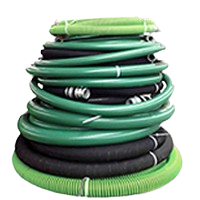
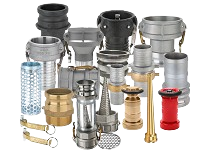
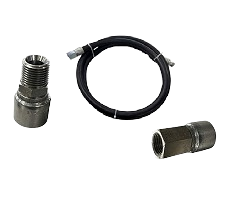
The high-pressure water hoses and the digging wand pose significant safety risks if they fail. Inspect the outer jacket of the hose for cuts that expose the wire reinforcement. Any exposed wire necessitates immediate replacement of the hose assembly. Check the fittings on the digging wand and the quick couplers for wear. A worn coupler can detach under pressure, causing the hose to whip violently. Ensure the nozzle on the digging lance is not clogged. A plugged nozzle orifice increases backpressure on the pump and alters the spray pattern, reducing cutting efficiency.
Freezing temperatures destroy water pumps, hoses, and valves effectively. When operating in cold climates, the system requires thorough winterization at the end of every shift. Purge all water from the tanks, hoses, and pumps using compressed air. Run the pump dry for only a few seconds to expel remaining moisture. Some operators choose to circulate a specialized antifreeze solution through the system. If using antifreeze, make sure the solution reaches every component, including the hose reel and the handgun. Additionally, confirm the recirculation system functions if the truck is equipped with one. This system keeps water moving while driving to the job site to prevent freezing in the lines.
A structured pre-trip inspection catches minor issues before they escalate into catastrophic failures. This routine establishes a baseline for the equipment's condition. Operators must perform the following checks before leaving the yard:
Consistent maintenance of hydro excavation equipment demands discipline and attention to detail. Every component, from the high-pressure water pump to the vacuum blower, plays a distinct role in the machine's overall performance. Adhering to a rigid service schedule prevents unexpected breakdowns and ensures safety on the job site. Operators who understand the mechanical intricacies of their equipment can identify warning signs early, protecting the investment and maintaining high productivity levels. A well-maintained hydro excavator delivers precision and power for years, maximizing the return on investment for the organization.