Author: Tyler Mashek
Choosing the right ball valve sounds simple until you actually need one that holds up under real working conditions. When you’re dealing with wastewater systems, pumping setups, or fluid transfer jobs, the material matters just as much as the valve design. The two most common options, plastic and brass valves, each bring strengths and trade-offs that can impact performance, durability, and cost.
Understanding how each type behaves in the field helps you avoid premature failures, leaks, or unnecessary replacements. Here’s a practical breakdown to help you decide what fits your setup best.
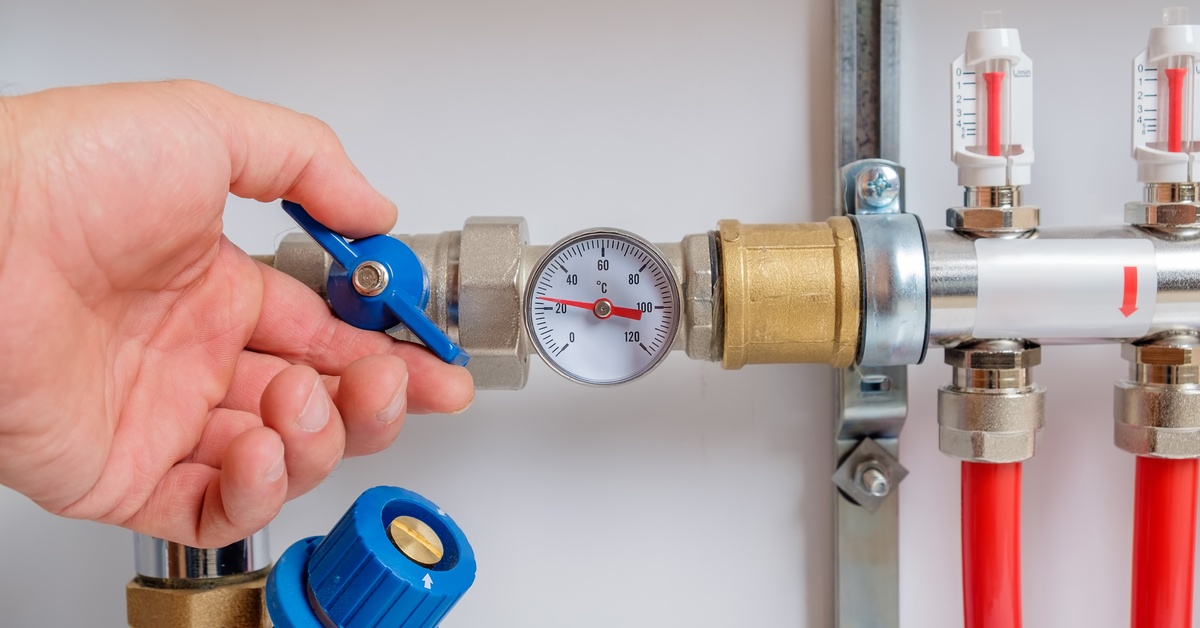
A ball valve uses a rotating ball with a hole through the center to control flow. When the hole lines up with the pipe, fluid moves through. When you turn the handle 90 degrees, the solid side of the ball blocks flow completely.
This simple design makes ball valves reliable and easy to operate. Many operators prefer them because they:
Material choice affects how well the valve performs under pressure, temperature, and chemical exposure.
The material determines how a valve handles stress, corrosion, and long-term wear. In demanding environments like septic or hydro-excavation work, that decision becomes even more important.
You need to think about:
Picking the wrong material often leads to cracking, corrosion, or failure at the worst time.

Plastic ball valves typically use materials like PVC, CPVC, or polypropylene. These valves work well in systems where corrosion resistance matters more than strength.
You’ll often see plastic valves used in:
They offer a lightweight and cost-effective option, especially for less demanding environments.
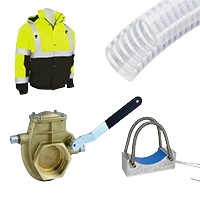
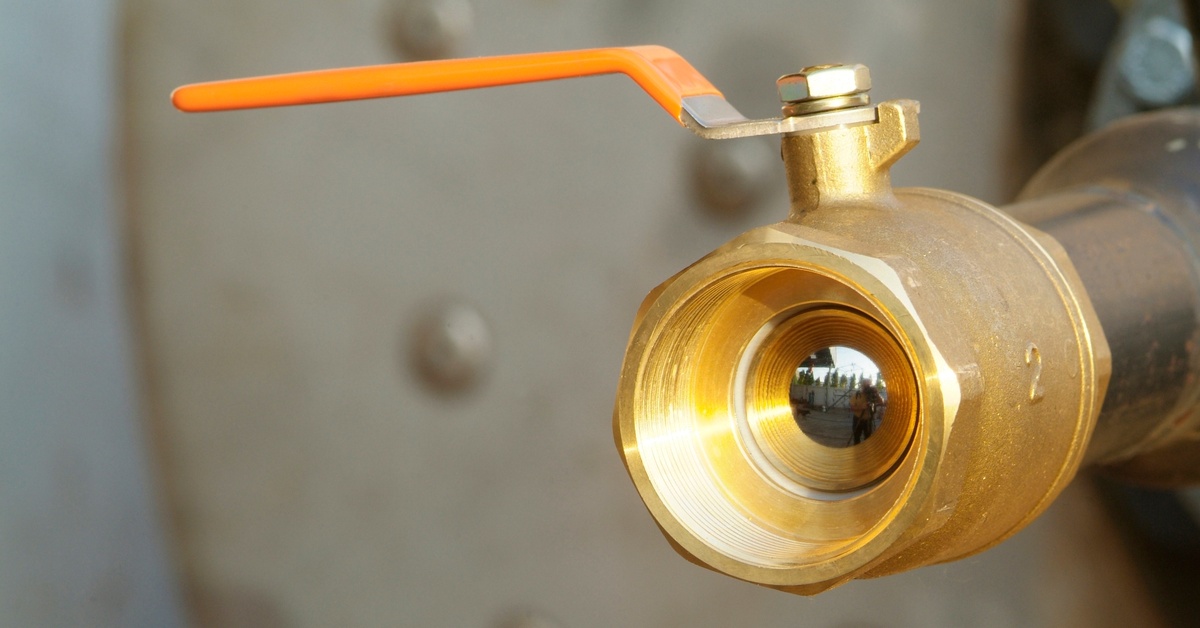
Brass ball valves use a metal alloy made primarily of copper and zinc. This material delivers strength, durability, and reliable performance across a wide range of conditions.
Brass valves show up in:
They tend to last longer under stress and handle higher temperatures without losing integrity.
Durability often drives the decision between these two materials.
Plastic valves resist corrosion well, but they don’t handle physical stress as effectively. Impacts, overtightening, or pressure spikes can cause cracks or failures.
Brass valves hold up better under repeated use and mechanical stress. They resist deformation and maintain structural integrity over time. If your setup sees frequent operation or vibration, brass usually performs better.
Plastic excels when it comes to corrosion resistance. It doesn’t rust and handles many chemicals without breaking down. That makes it useful in environments where exposure to harsh substances is unavoidable.
Brass resists corrosion better than many metals, but it still reacts to certain chemicals. Over time, exposure to aggressive fluids can lead to degradation.
If your system handles chemicals regularly, plastic may offer an advantage. If you’re mostly moving water or mild waste, brass works just fine.
Pressure and temperature often separate these two materials quickly.
Plastic valves typically handle lower pressure ranges. High pressure can stress the material and lead to failure. Temperature also plays a role, since heat can soften plastic and reduce its strength.
Brass valves handle higher pressure without issue. They also perform better in elevated temperatures, making them a stronger choice for demanding systems.
If your operation involves fluctuating pressure or heat, brass provides more reliability.
Plastic valves weigh significantly less than brass. That makes them easier to transport and install, especially in tight or elevated spaces.
Brass valves weigh more, but that added weight comes from stronger construction. In fixed systems, the extra weight rarely causes problems.
For portable setups or quick installations, lighter valves can save time and effort. For permanent systems, weight matters less than durability.
Plastic valves usually cost less upfront. If you need multiple valves for a low-pressure system, that savings adds up quickly.
Brass valves cost more initially, but they often last longer and require fewer replacements. Over time, that can balance out the higher price.
Think about how often you’ll replace the valve. A cheaper valve that fails quickly may cost more in the long run.
Plastic valves require minimal maintenance, but they don’t always offer long service life in harsh environments. Once they crack or degrade, replacement becomes the best option.
Brass valves handle wear better and often last longer with proper use. They also tolerate repeated opening and closing without losing performance.
For systems that run daily or see heavy use, brass reduces downtime and replacement frequency.
Plastic valves work well in specific situations where their advantages outweigh their limitations.
They fit best when you need:
In controlled environments, plastic valves can perform reliably without issues.
Brass valves handle tougher conditions and deliver more consistent performance over time.
They work best when your system involves:
If reliability matters more than cost savings, brass often wins.
Here’s a quick comparison to keep things simple:
The right choice depends on how and where you plan to use the valve.
In wastewater and pumping applications, equipment faces constant wear, pressure, and exposure to different materials. Operators in these industries need components that hold up over time and keep systems running efficiently .
If your system runs hard every day, brass offers peace of mind. If your setup stays more controlled and low-impact, plastic valves can get the job done without overspending.
No single valve works for every situation. The best option comes down to your system demands, environment, and how often you plan to use it.
Plastic valves provide a solid solution for lighter-duty applications where corrosion resistance matters most. Brass valves bring strength and reliability when conditions get tougher.
If you’re unsure, it often helps to think about failure risk. A valve that fails in a critical system can cost more in downtime than the price difference between materials.
When in doubt, go with the option that keeps your operation running smoothly, not just the one that saves a few dollars upfront.