Author: Tyler Mashek
Fluid dynamics applications require specialized equipment to handle distinct tasks efficiently. While pressure washers and jetters both utilize pressurized water to clean surfaces or clear obstructions, they operate on different mechanical principles and serve unique industrial purposes. Professionals often confuse these tools due to their similar method of using high-pressure water streams, but their design, flow rates, and intended applications diverge significantly. Understanding these technical differences ensures the selection of the correct apparatus for specific operational requirements, whether for surface cleaning or sub-surface pipe maintenance.
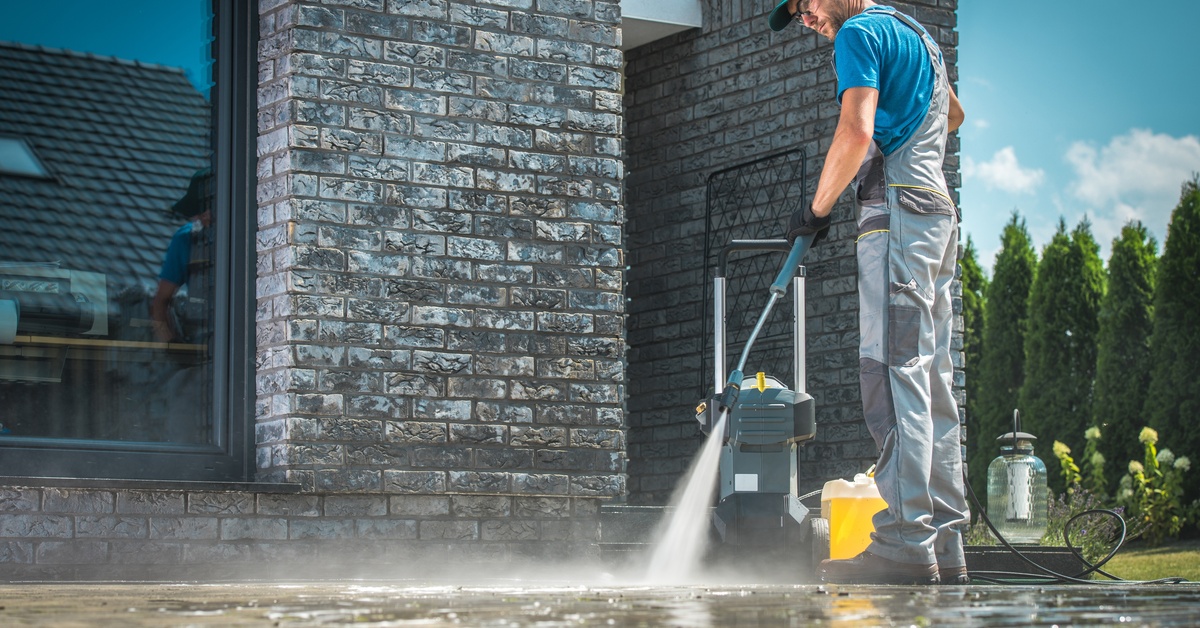
A pressure washer is a mechanical sprayer that uses high-pressure water to remove loose paint, mold, grime, dust, mud, and dirt from surfaces and objects. The core mechanism involves a motor (electric, hydraulic, pneumatic, or internal combustion) that drives a water pump. This pump pulls water from a low pressure hose, like a, garden hose to produce high pressure, and outputs it at a much higher flow and pressure. The unit measures performance in pounds per square inch (PSI) and gallons per minute (GPM).
Pressure washers typically prioritize PSI over GPM. The high pressure (often ranging from 1,000 to 4,000 PSI for commercial units) acts as a mechanical force to strip debris from surfaces. The nozzle restricts the water flow to create velocity, allowing the stream to impact the surface with significant kinetic energy. This energy transfer dislodges contaminants effectively. Additionally the various spray pattern angles help focus the water more or less depending on the necessary intensity and concentration of spot being cleaned.
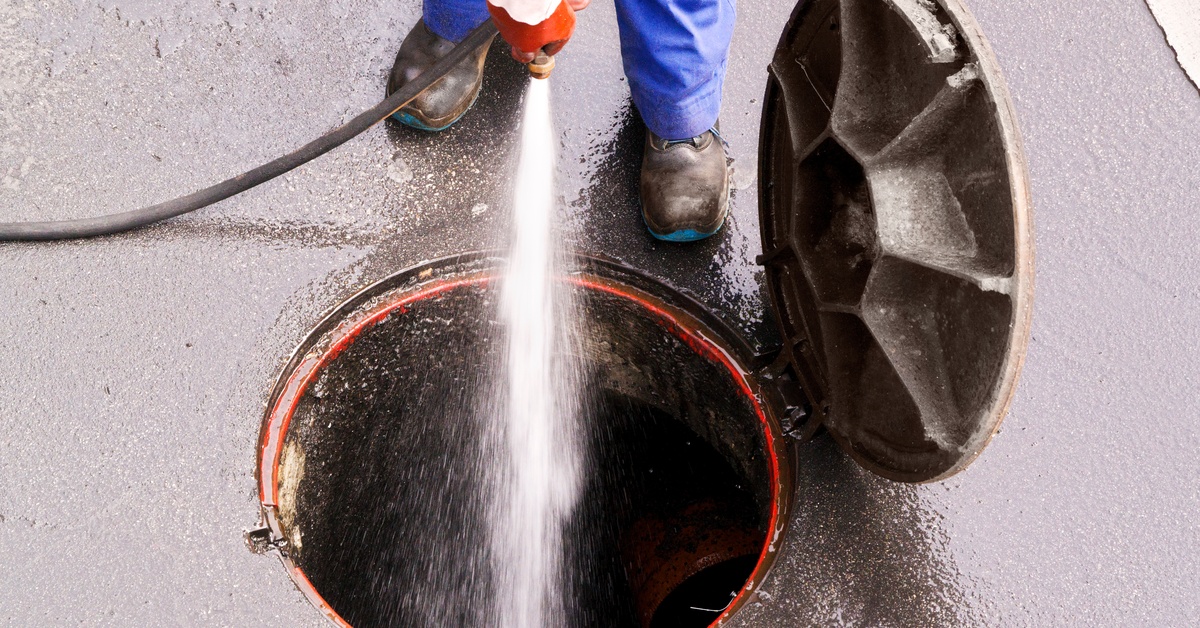
Hydro jetters, often referred to simply as jetters, are heavy-duty plumbing tools designed primarily for clearing obstructions in pipes and sewer lines. Unlike pressure washers, jetters prioritize flow rate (GPM) alongside pressure (PSI). A typical jetter might operate at similar pressures to a pressure washer but will deliver a significantly higher volume of water.
The functional mechanics rely on a specialized nozzle connected to a high-pressure hose. This nozzle directs streams of water backward to propel the hose forward into the pipe. As the nozzle advances, the rear-facing jets scour the pipe walls, while a forward-facing jet (if present) breaks up obstructions. The high volume of water flushes the debris away, rather than just dislodging it.
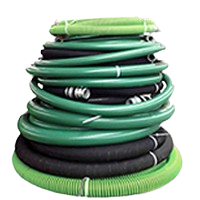
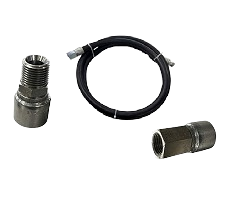
The hoses used also differ in that instead of a pressure washer’s rugged, often-rubberized outer covering, jetter hoses have outer surfaces that are designed to snake through pipes and stay slick, instead of holding up to abrasion from being moved around on surfaces.
The fundamental technical distinction lies in the ratio of flow rate to pressure. Pressure washers rely on high pressure to shear dirt off surfaces. A standard pressure washer might deliver 2 to 4 GPM. This low flow rate suffices for surface cleaning because the water only needs to impact the dirt, not transport it over long distances.
Conversely, jetters require high flow rates to carry debris out of a pipe system. A commercial jetter often delivers between 4 and 25 GPM, or even higher for municipal applications. The high water volume provides the mass necessary to push heavy sludge, grease, and root masses down the line. Without this high flow, the debris would simply settle back into the pipe once the pressure ceases.
Nozzle engineering differentiates these two machines further. Pressure washer nozzles typically fan out the water spray (0, 15, 25, 40 degrees) to cover a specific surface area. These nozzles shape the water stream to maximize impact force on a flat plane. The design focuses on external cleaning efficiency.
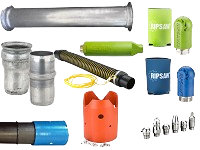
Jetter nozzles are aerodynamic and cylindrical to navigate the interior of pipes. They feature orifices drilled at specific angles to optimize propulsion and cleaning coverage. Common configurations include:
The delivery system in a jetter is critical to its operation. Specialized jetter hoses are reinforced, lightweight, and flexible, designed specifically to withstand high pressure while minimizing friction against pipe walls. The hose must maintain rigidity to push forward but possess enough flexibility to navigate P-traps and 90-degree bends.
This hose acts as the transmission line for the hydraulic energy generated by the pump. In contrast, pressure washer hoses are generally stiffer and heavier, as they do not need to travel inside a conduit. The jetter hose's slick outer cover reduces drag, allowing the nozzle's thrust to pull the hose deep into the sewer line efficiently.
Pressure washers excel in external surface maintenance. Industries use them for:
Jetters serve the plumbing and municipal maintenance sectors. Their primary applications include:
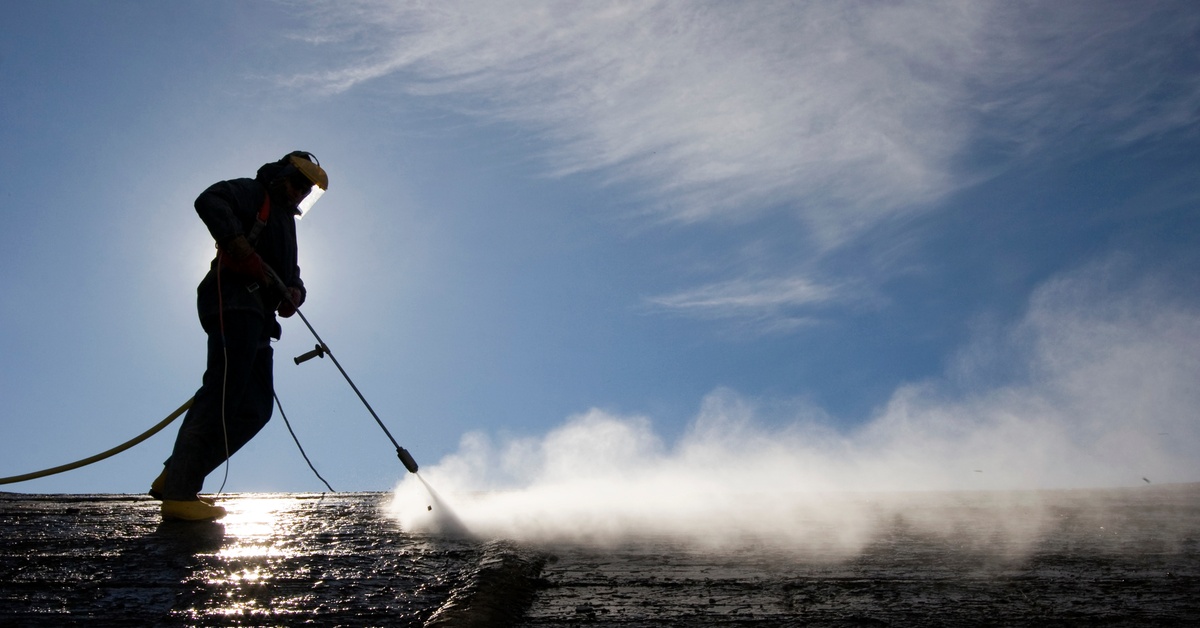
Using the incorrect tool can damage infrastructure. Pressure washers, with their high-PSI focus, can strip protective coatings or etch softer materials like wood or siding if the operator holds the nozzle too close. However, the risk to structural integrity is generally low on durable surfaces like concrete.
Jetters operate within confined spaces where pipe condition varies. Old, corroded cast iron or Orangeburg pipes may collapse under excessive pressure. Therefore, jetter operators must carefully select the PSI and nozzle configuration to clean without causing structural failure. The water volume (GPM) usually does the heavy lifting in jetting, reducing the reliance on potentially damaging ultra-high pressures for standard cleaning.
The pumps powering these machines differ to accommodate their specific hydraulic requirements. Pressure washer pumps, such as axial cam or triplex plunger pumps, are designed for intermittent use (residential) or daily use (commercial) at lower flow rates. They generate high pressure by forcing water through small valves.
Jetter pumps are typically heavy-duty triplex pumps built to handle continuous, high-volume loads. They feature larger ceramic plungers and robust seals to withstand the stress of moving large quantities of water. These pumps often include pulsation features, which vibrate the water column to help the hose negotiate tight bends and friction in the pipe.
Selecting between a pressure washer and a jetter depends entirely on the nature of the obstruction and the location of the task. If the objective involves removing surface contaminants from an accessible area, the pressure washer provides the necessary kinetic energy. The low flow rate conserves water and prevents flooding the work area.
If the task involves an internal obstruction within a conduit or pipe, the jetter is the only viable option. A pressure washer lacks the propulsion to travel up the pipe and the flow rate to flush the debris out. Attempting to use a pressure washer for drain cleaning often results in the hose becoming stuck or the blockage merely shifting rather than exiting the system.
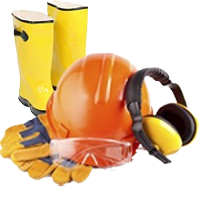
Both machines utilize high-pressure water capable of causing serious injury. Fluid injection injuries occur when a high-pressure stream penetrates the skin, which requires immediate surgical attention. Operators must wear appropriate personal protective equipment (PPE).
Standard safety gear includes:
Operators must never point the nozzle at themselves or others. Furthermore, jetter operators must use a leader hose (a colored section of hose) to indicate when the nozzle is approaching the pipe opening to prevent the nozzle from exiting the pipe under pressure and whipping dangerously.