Author: Tyler Mashek
When you run a vacuum truck or jetting setup, you rely on every connection to hold tight. A loose or poorly matched fitting can shut down a job fast. No one wants to deal with leaks, air loss, or product failure in the middle of a route.
That’s why your supplier matters just as much as the fitting itself. A reliable camlock fitting supplier does more than sell parts. They understand your equipment, your schedule, and the reality of working in the wastewater industry.
Here’s what to look for when choosing one.
You don’t need a general hardware distributor. You need a supplier who understands septic, hydro-excavation, jetting, and portable toilet operations.
A strong supplier knows how vacuum systems move air to create negative pressure in a tank. They understand how jetting systems move water under pressure. They know that the wrong connection can cause air leaks, reduce suction, or create pressure loss. That kind of knowledge leads to better recommendations and fewer mistakes.
Material selection plays a big role in performance. Wastewater work exposes fittings to moisture, chemicals, abrasion, and constant handling.
A dependable supplier offers multiple material options and explains where each works best:
Instead of pushing one option, a reliable supplier helps you match the material to your job.
Downtime costs money. When a fitting fails, you need a replacement fast.
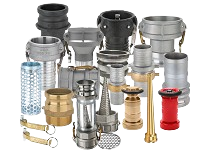
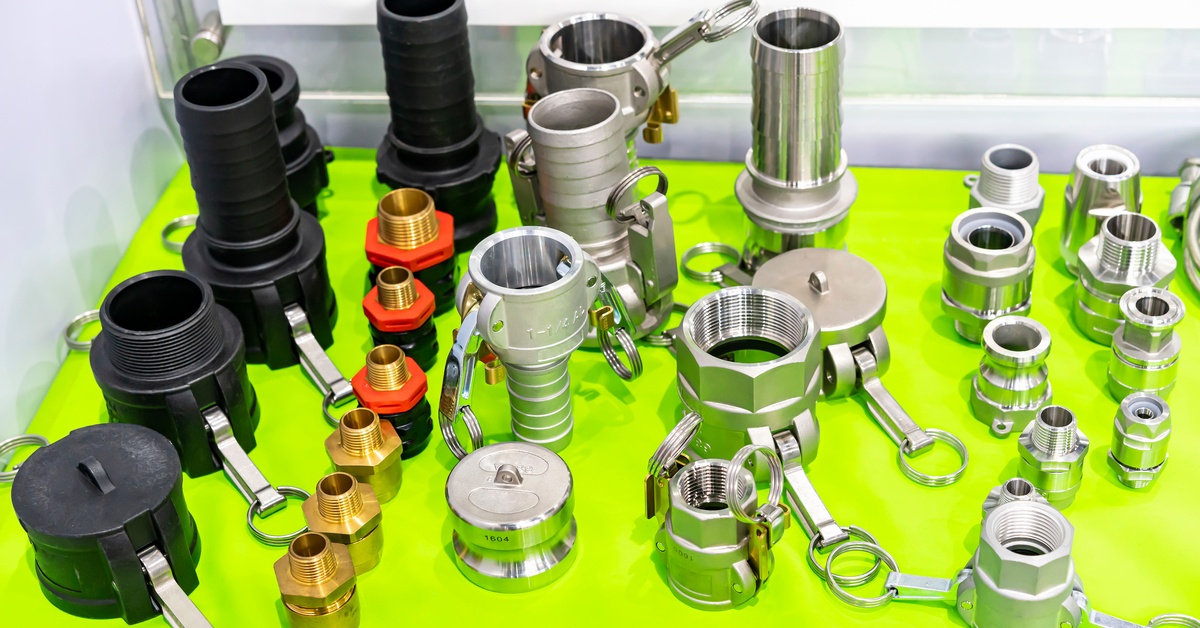
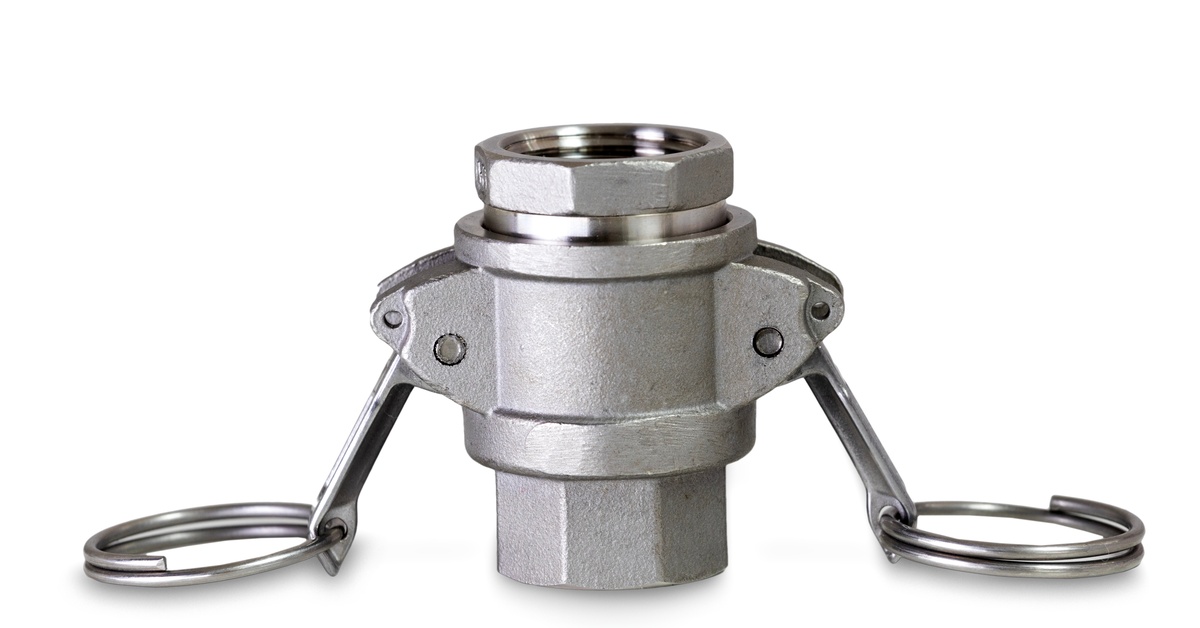
A reliable supplier keeps common sizes and configurations in stock. They stock Type A, B, C, D, E, F, DC, and DP variations. They carry multiple sizes to match the hose diameters operators use every day.
You should not have to wait weeks for standard parts. Strong inventory shows commitment to the industry.
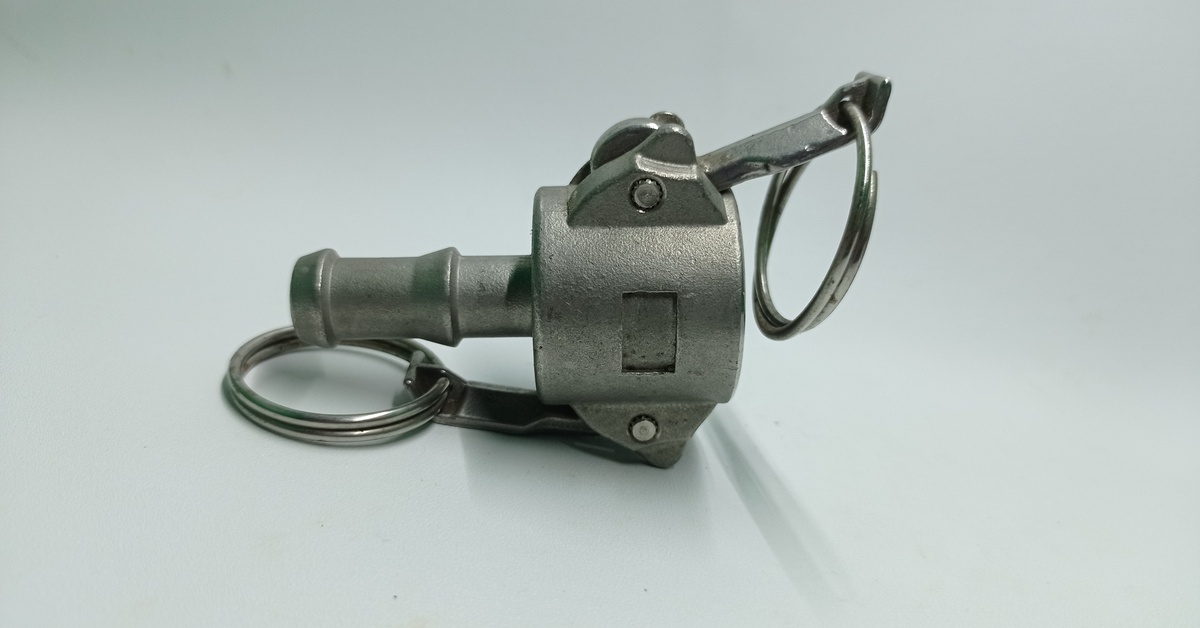
Fittings may look simple, but small differences matter. Hose shank size, thread type, gasket material, and locking arm design all affect performance.
A knowledgeable supplier answers questions clearly. They explain NPT vs. other thread types. They help you match fittings to hoses correctly. They understand gasket compatibility and recommend replacements when needed. You should feel confident that the part you order will fit and function as expected.
Price matters. But performance matters more. Low-grade fittings may save a few dollars upfront, but they can crack, warp, or fail under stress. In wastewater work, a failed connection creates more than inconvenience.
A reliable supplier sources fittings from trusted manufacturers. They focus on machining quality, proper tolerances, and durable locking arms. They choose products that stand up to vibration, frequent coupling, and heavy use.
Clear communication makes everything easier.
When you call or email, you should get straightforward answers. A reliable supplier confirms sizing, availability, and shipping timelines without vague responses. If something sits on backorder, they tell you directly.
Strong communication builds trust. It also prevents ordering mistakes that slow down your crew.
Fast shipping means nothing if the order arrives wrong.
A dependable supplier double-checks part numbers and quantities before shipping. They package fittings securely so they arrive without damage. They move orders out the door quickly, especially when operators face urgent repairs.
Accuracy matters just as much as speed. When the box shows up, you want confidence that everything inside matches your invoice.
Camlock fittings don’t operate alone. They connect hoses, tanks, valves, pumps, and manifolds.
A strong supplier understands how fittings work within complete systems. They know how air leaks can affect vacuum performance. They understand how pressure affects water flow in jetting applications. They recognize that some setups require tighter tolerances to maintain efficiency.
When a supplier understands system dynamics, they can help you avoid performance issues before they happen.
Consistency matters in long-term operations.
If you purchase fittings today and reorder next month, you expect the same product quality. A reliable supplier avoids constant brand switching or inconsistent sourcing. They maintain stable relationships with manufacturers and distributors.
That consistency keeps your equipment standardized. It also prevents compatibility issues across your fleet.
Good suppliers think beyond single transactions.
They help you anticipate wear points. They remind you to stock spare gaskets and replacement arms. They suggest keeping backup sizes for emergency jobs.
Planning reduces downtime. It also protects your crew from scrambling to find parts during busy seasons.
You don’t need buzzwords. You need solutions that work. A dependable supplier speaks plainly. They explain why a certain fitting performs better in abrasive conditions. They point out when stainless steel makes more sense than aluminum. They help you avoid overcomplicating a simple setup. That practical mindset keeps operations efficient and grounded in real-world needs.
A supplier who values long-term partnerships treats your business seriously. They learn your common sizes and configurations. They understand your equipment and operating style. They become a resource, not just a vendor.
Over time, that relationship leads to faster service, better recommendations, and smoother ordering.
General industrial suppliers may carry camlock fittings, but they often lack deep knowledge of wastewater work.
A supplier focused on septic and related industries understands the daily realities operators face. They know that trucks run long hours. They understand that vibration, debris, and harsh materials challenge connections constantly.
That focus results in product selection and support tailored to your environment, not a generic application.
Every operation watches costs. Smart suppliers respect that.
They help you evaluate when a premium material makes sense and when a standard option works fine. They don’t automatically steer you toward the most expensive solution. They focus on total value over time.
When fittings last longer and reduce failures, you protect your equipment and your bottom line.
Fittings might look small, but they play a major role in daily operations. Every connection impacts suction, pressure, and overall efficiency. A poor-quality or poorly matched fitting can reduce performance and increase wear across your system.
The right supplier helps you avoid those problems. They bring industry knowledge, reliable inventory, clear communication, and practical advice to every order.
When you work with a dependable camlock fittings supplier, you gain more than parts. You gain confidence that your connections will hold when the job gets messy.
Choosing a camlock fitting supplier should never come down to price alone. Look for experience in the wastewater industry. Look for strong inventory, clear communication, and consistent product quality. Look for someone who understands how your vacuum or jetting system actually works.
Reliable suppliers support your operation behind the scenes. They help keep trucks running, jobs on schedule, and crews productive. If you rely on your equipment every day, make sure you rely on your supplier just as much.