Author: Tyler Mashek
When you're locating underground pipes, drains, or utilities, accuracy matters. A few inches can make the difference between finding a blockage quickly and spending extra time digging in the wrong spot. That's where sondes and locators come into play.
Many operators understand the basics of locating equipment, but sonde frequency often creates confusion. You might see different frequency ratings on equipment and wonder why they matter or whether one frequency works better than another.
Understanding sonde frequency helps you choose the right locating equipment, improve accuracy, and avoid costly mistakes in the field. Whether you're inspecting sewer lines, tracing drains, or locating underground utilities, frequency plays a major role in how well your locator performs.
A sonde is a small transmitting device that emits a radio signal. Operators place it inside a pipe, conduit, or underground pathway. A locator above ground detects the signal and pinpoints the sonde's location.
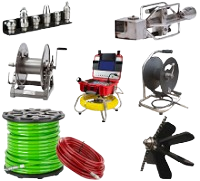
Many inspection systems include built-in sondes. Others use standalone sondes that attach to rods, push cables, or other inspection tools.
As the sonde travels underground, it continuously broadcasts a signal. The locator receives that signal and displays the sonde's position, depth, and direction.
Without a sonde, locating a specific point inside an underground pipe becomes much more difficult.
Sonde frequency refers to the radio frequency that the sonde transmits.
Manufacturers measure these frequencies in kilohertz (kHz). Common sonde frequencies include:
Each frequency behaves differently underground. Some travel farther distances. Others work better in difficult soil conditions or around interference.
The locator must match the frequency transmitted by the sonde. If the frequencies do not match, the locator cannot properly detect the signal.
No single frequency works perfectly in every environment.
Underground conditions vary significantly from one jobsite to another. Soil composition, moisture levels, utility congestion, pipe materials, and depth all affect signal performance.
Manufacturers developed multiple frequency options because different frequencies offer different advantages.
A frequency that works exceptionally well in sandy soil may struggle in clay. A signal that travels long distances may provide less pinpoint accuracy than a lower-frequency option.
Having multiple frequencies gives operators flexibility when conditions change.
Lower frequencies typically include options such as 512 Hz and 640 Hz. These frequencies tend to travel farther through underground environments. They also experience less signal bleed onto nearby utilities.
Because the signal remains concentrated, operators often achieve greater locating precision.
Low frequencies work especially well when:
The signal can travel farther down the pipe before weakening.
This allows operators to trace extended pipe runs without losing signal strength.
Lower frequencies generally stay confined to the intended path.
In areas packed with utilities, this helps reduce false readings and improves confidence in the locate.
Many operators choose low frequencies when they need highly accurate position data.
The tighter signal pattern often creates more precise location readings.
Higher frequencies include options such as 33 kHz and 512 kHz. These frequencies excel at overcoming obstacles and traveling through difficult environments. However, they often spread more easily onto adjacent conductors and utilities.
High frequencies provide advantages in specific situations.
Plastic pipes do not naturally conduct signals.
Higher frequencies often improve signal transmission in these situations.
Some soil types absorb low-frequency signals more aggressively.
Higher frequencies may produce stronger readings under these conditions.
When operators encounter bends, joints, or interruptions, higher frequencies often maintain signal continuity more effectively.
Accuracy depends heavily on signal quality. A weak signal produces inconsistent readings. A distorted signal can cause operators to misidentify the sonde's position.
Selecting the appropriate frequency improves signal clarity and reduces locating errors.
For example, a high-frequency signal may bleed onto nearby metallic structures. The locator could detect those structures and create confusing readings.
A lower frequency might remain isolated to the intended pipe, producing a cleaner locate.
Choosing the correct frequency often leads to faster and more accurate results.
The ground itself affects radio signals. Moisture, minerals, and soil composition all influence how frequencies travel underground.
Clay often absorbs and distorts radio signals.
Operators may need higher frequencies to maintain signal strength in heavy clay environments.
Sandy soil generally allows signals to travel more efficiently.
Lower frequencies often perform well in these conditions.
Moisture can enhance conductivity but may also increase signal distortion.
Testing multiple frequencies frequently produces the best results.
Because soil conditions vary significantly across regions, experienced operators learn which frequencies perform best in their service areas.
Depth directly impacts locating performance. As the sonde moves deeper underground, the signal must travel farther before reaching the locator. Lower frequencies often maintain cleaner signals at greater depths.
However, difficult soil conditions may favor higher frequencies despite the increased depth. The ideal choice depends on the combination of depth, soil type, and surrounding infrastructure.
Operators who understand these relationships can make quicker adjustments in the field.
Drain and sewer inspections represent one of the most common applications for sondes.
Technicians use sondes to identify blockages, damaged sections, offsets, and buried access points.
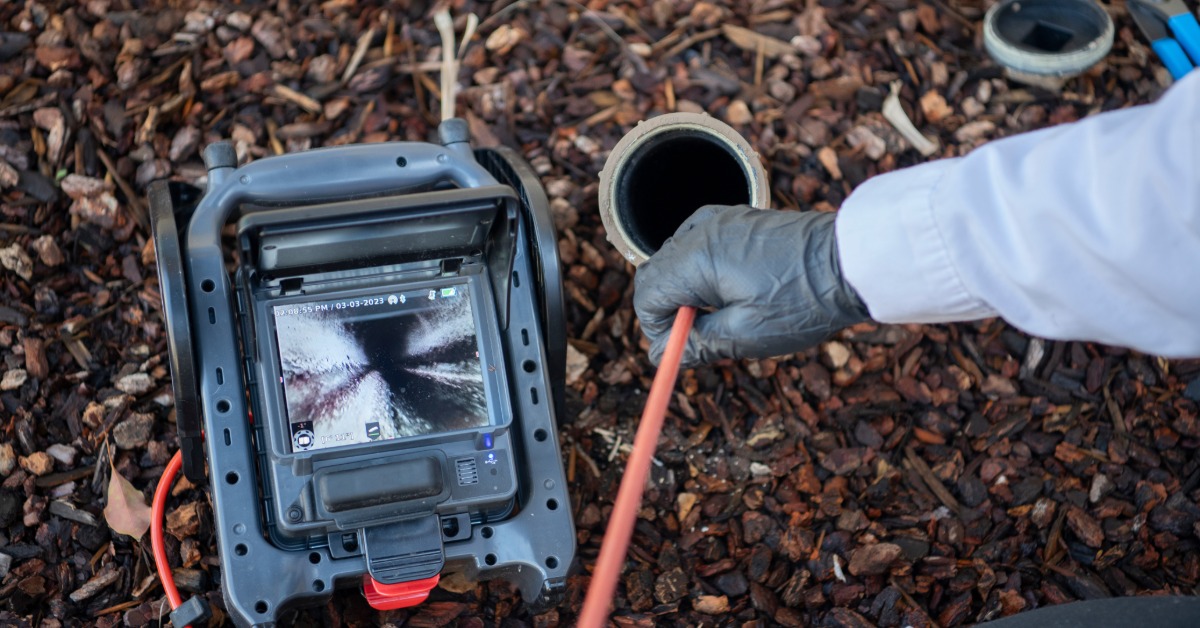
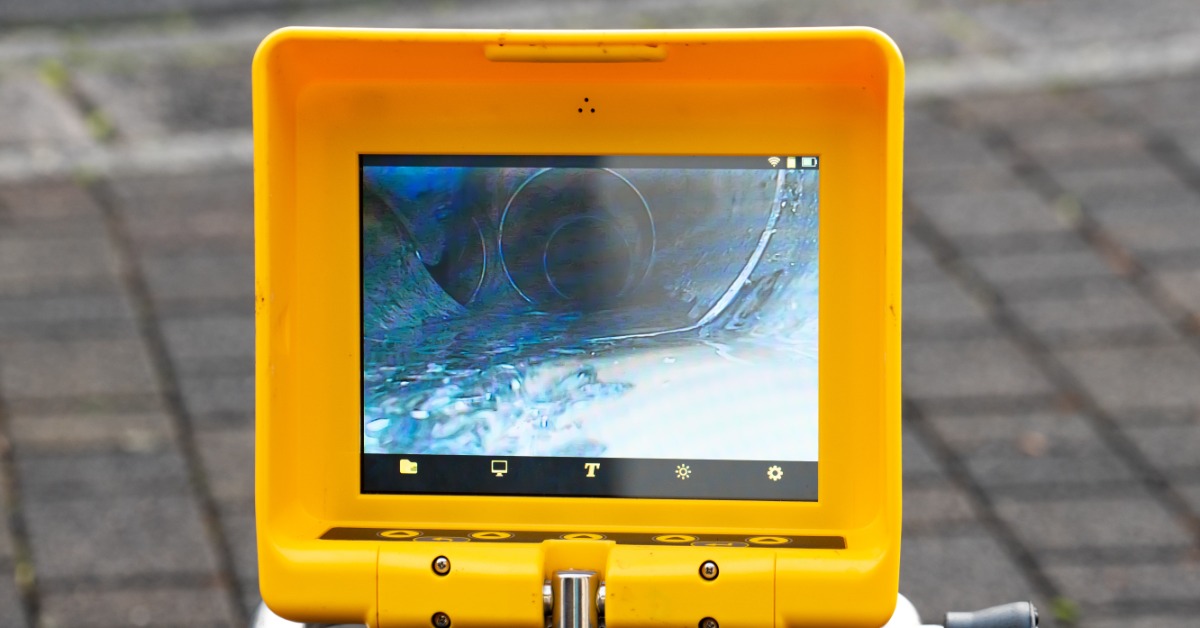
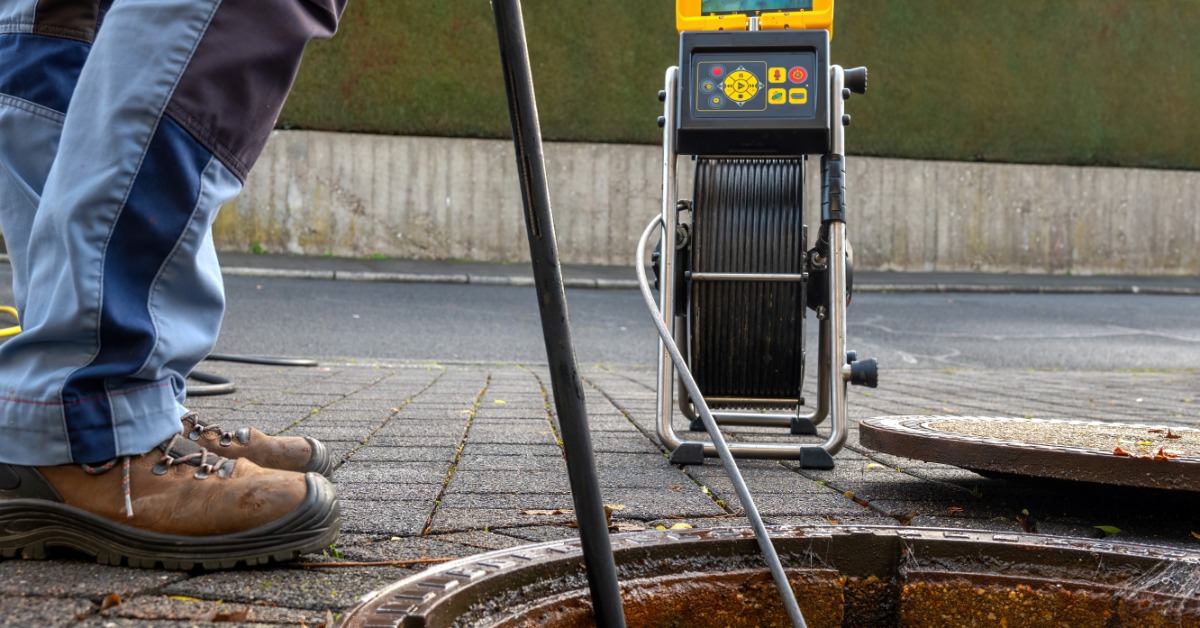
Many modern drain cameras include integrated sondes that allow operators to locate the camera head while performing inspections.
When the sonde frequency matches the jobsite conditions, crews can accurately mark the camera location from the surface.
This capability saves significant time during excavation, repair, and maintenance projects.
Frequency compatibility remains critical. The locator and sonde must communicate using the same frequency.
If a sonde transmits at 512 Hz while the locator listens for 33 kHz, the locator will not detect the signal correctly.
Some modern locating systems support multiple frequencies, making them compatible with a wider range of sondes.
Before heading to a jobsite, operators should always verify compatibility between their locating equipment and inspection tools.
Selecting the right frequency depends on several factors.
Start by considering:
When accuracy takes priority, lower frequencies often provide the best results.
When signal strength becomes a challenge, higher frequencies may perform better.
Many experienced operators carry equipment capable of working across multiple frequencies. This flexibility allows them to adapt quickly as conditions change.
When operators understand sonde frequency, they spend less time troubleshooting weak signals and more time completing the job.
Proper frequency selection helps crews locate underground assets faster, improve accuracy, reduce excavation errors, and increase confidence in their findings.
The next time you use a locator, take a closer look at the sonde frequency setting. That number plays a major role in how effectively your equipment performs and how accurately you can pinpoint what lies underground.