Author: Tyler Mashek
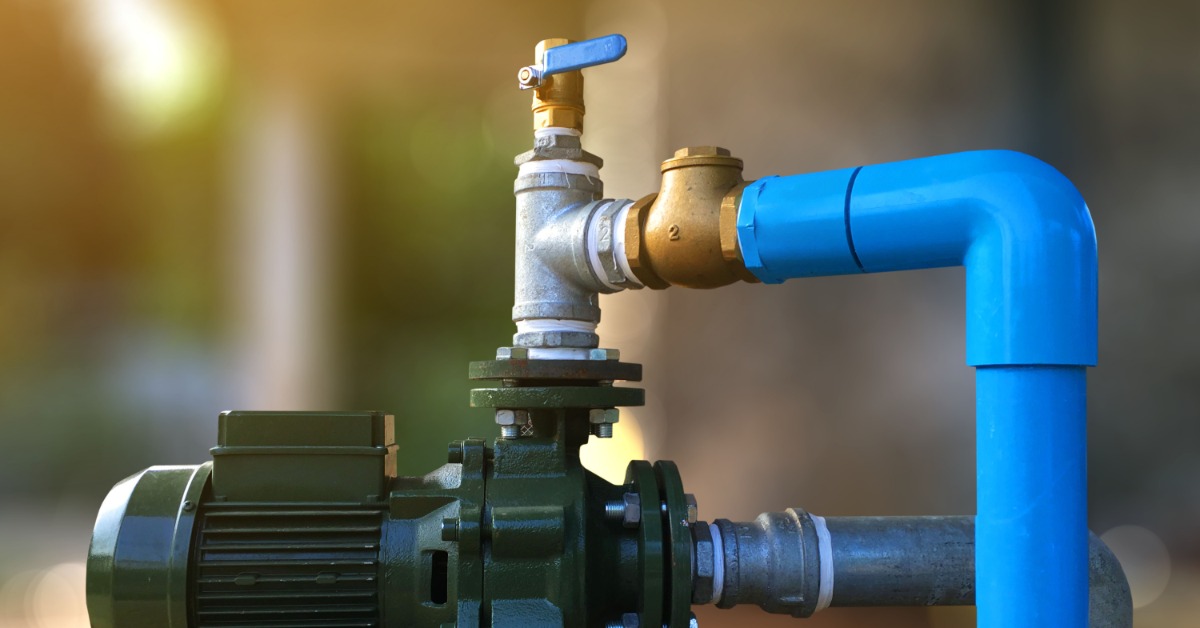
Whether you operate a septic truck, run hydro excavation equipment, or manage municipal wastewater systems, pump performance affects every job. Many operators focus on horsepower, pressure, or vacuum levels, but flow rate often determines how efficiently a system actually performs. Understanding how flow rate works helps you choose the right equipment, reduce wear, and complete jobs more efficiently.
Every pump system relies on a balance between flow rate, pressure, piping, and system design. When those factors work together, equipment performs consistently and lasts longer. When they fall out of balance, operators often deal with reduced productivity, unnecessary maintenance, and higher operating costs.
Flow rate measures the volume of liquid that moves through a pump system during a specific amount of time. Manufacturers typically express it as gallons per minute (GPM) in the United States, although other measurements such as liters per minute also appear in technical specifications.
A higher flow rate means the pump moves more fluid in less time. However, bigger numbers do not automatically mean better performance. Every application requires a flow rate that matches the job, the piping system, and the equipment involved.
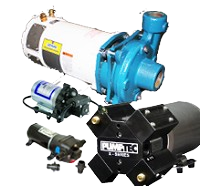
For example, a transfer pump designed for moving large amounts of water needs much different flow characteristics than a pressure washer pump that creates high pressure with lower flow.
Flow rate directly influences how quickly a pump completes work. If a pump cannot deliver enough volume, jobs take longer and equipment works harder than necessary.
An oversized flow rate creates problems as well. Excessive flow can produce turbulence, waste energy, increase wear, and overwhelm downstream components.
The ideal flow rate allows the pump to:
Finding that balance keeps the entire system operating as intended.
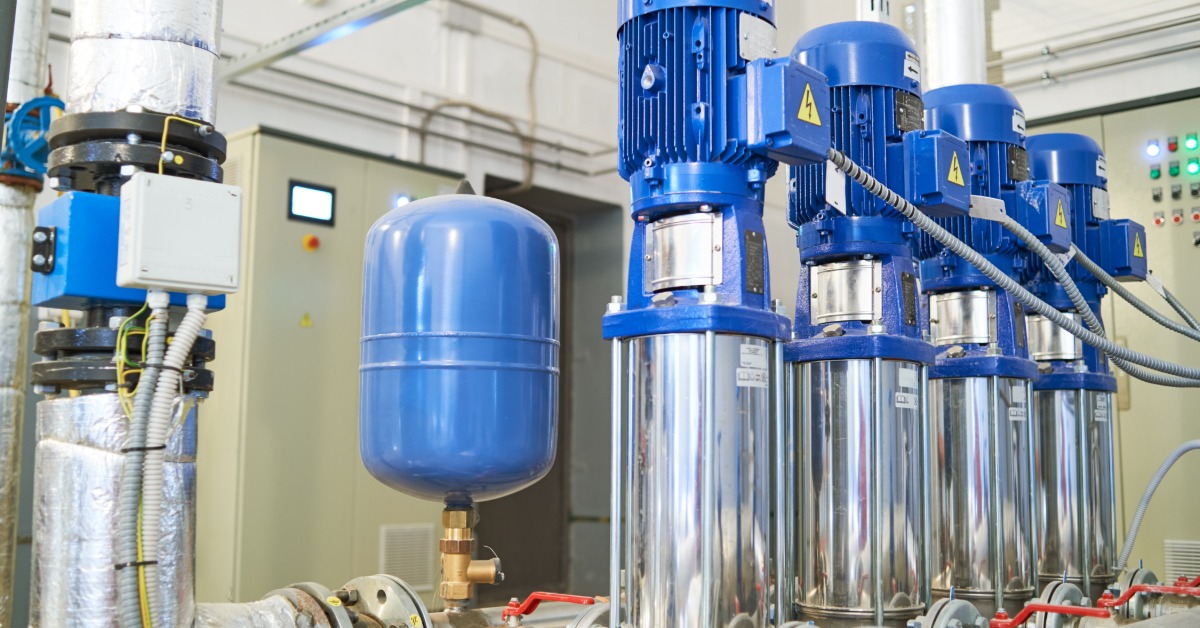
Many people confuse pressure with flow rate, but they serve different purposes.
Pressure measures the force applied to move fluid through a system. Flow rate measures how much fluid actually moves.
Changing one often affects the other. Restricting the discharge line, for example, usually increases pressure while reducing flow. Opening the system allows greater flow but may reduce pressure depending on the pump design.
Water pumps use impellers or diaphragms to move fluid through the system. As restrictions change, the pump responds according to its performance curve. Understanding this relationship helps operators diagnose problems more accurately instead of assuming every issue involves the pump itself.
Manufacturers design every pump to perform most efficiently within a specific operating range known as the Best Efficiency Point (BEP).
Operating near the BEP provides several advantages:
Running far above or below that range increases stress throughout the pump. Components experience more wear, temperatures rise, and maintenance intervals often become shorter.
Selecting the correct pump for the expected flow requirements remains one of the most important decisions during system design.
The pump only represents one part of the entire system. Pipe diameter significantly affects flow rate because it determines how easily fluid travels.
Undersized piping creates higher friction losses, forcing the pump to work harder while reducing actual flow.
Oversized piping presents different challenges by slowing fluid velocity below desirable levels in some applications.
Matching pipe diameter to the expected flow rate helps maintain efficient operation. Engineers often calculate friction losses before selecting pipe sizes because small changes can significantly affect overall performance.
Flow rate often decreases gradually as restrictions develop throughout the system.
Common causes include:
These restrictions increase resistance, forcing the pump to overcome additional head loss before fluid reaches its destination.
Routine inspections help identify these problems before they become major failures. Cleaning components regularly often restores performance without replacing expensive equipment.
Head pressure describes the total resistance a pump must overcome while moving liquid. It includes several factors working together.
Static head measures vertical lift between the fluid source and discharge point.
Friction head results from fluid rubbing against pipe walls, fittings, valves, and hoses.
Total dynamic head combines all system resistance into one value that determines pump performance.
As head pressure increases, flow rate usually decreases. Every pump curve illustrates this relationship by showing how output changes as resistance rises.
Understanding total head allows operators to predict performance more accurately before installing new equipment.
Many flow problems begin before liquid even reaches the pump.
Poor suction conditions reduce available flow regardless of how powerful the pump appears on paper.
Several factors affect suction performance:
When water cannot reach the pump efficiently, the discharge side cannot achieve the desired flow rate.
Maintaining proper suction conditions often solves performance issues without changing the pump itself.
Running outside the proper flow range accelerates wear throughout the system.
Low-flow conditions can create excessive heat, recirculation, and vibration inside the pump casing.
High-flow conditions may increase shaft loading, bearing stress, and seal wear while reducing overall efficiency.
The effects extend beyond the pump. Hoses, couplings, valves, and fittings also experience greater stress when flow exceeds design limits.
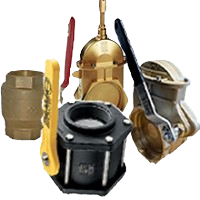
Using quality components throughout the system helps maintain reliable operation. For example, durable plastic pipe valves can provide dependable flow control in applications where corrosion resistance and chemical compatibility matter.
Matching every component to expected operating conditions improves long-term reliability.
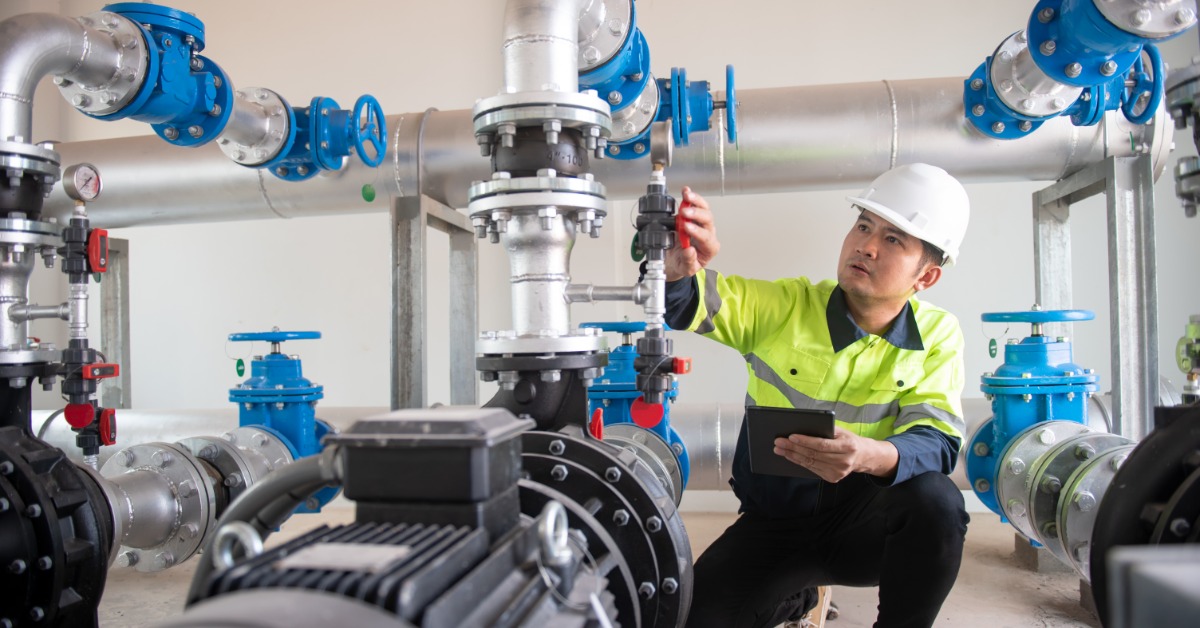
Every industry places different demands on pump systems.
Water transfer applications typically prioritize high flow over high pressure because moving large volumes efficiently saves time.
Pressure washing systems require enough flow to support cleaning performance while maintaining high operating pressure.
Agricultural irrigation systems balance flow across multiple outlets to distribute water evenly.
Municipal wastewater operations often require pumps capable of handling varying flow demands throughout the day without sacrificing efficiency.
Vacuum trucks rely on separate vacuum systems to create suction by removing air from the tank rather than moving waste directly through the vacuum pump. Water pumps used alongside those systems must still provide the proper flow characteristics for washdown, transfer, or jetting operations.
Selecting equipment based on the actual application instead of maximum advertised performance leads to better long-term results.
Flow-related issues often develop gradually, making them easy to overlook.
Common warning signs include reduced productivity, longer fill or transfer times, fluctuating pressure, unusual pump noise, excessive vibration, overheating, and increased energy consumption.
Ignoring these symptoms allows small problems to become major repairs.
Routine inspections combined with regular performance testing help identify issues early enough to prevent costly failures.
Flow rate influences nearly every aspect of pump system performance. It affects efficiency, pressure, equipment life, operating costs, and job completion times. Understanding how flow interacts with piping, head pressure, suction conditions, and overall system design helps operators make smarter equipment decisions and diagnose problems more effectively.
Rather than focusing only on maximum output numbers, successful operators evaluate the entire pumping system. Matching the proper flow rate to the application creates more reliable performance, reduces maintenance expenses, and extends equipment life. Whether you work with water transfer systems, wastewater equipment, or industrial pumping applications, managing flow correctly remains one of the most effective ways to keep operations running smoothly.