Author: Tyler Mashek
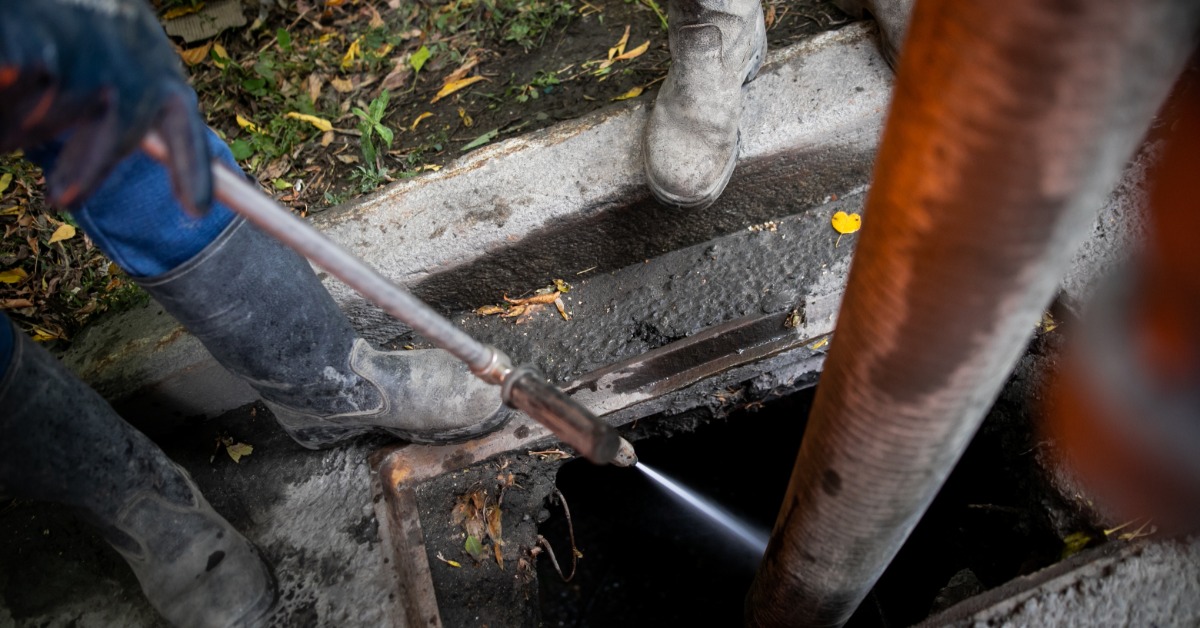
Sewer jetting equipment deals with demanding conditions on nearly every job. High-pressure water, dirty environments, long hose runs, changing temperatures, and daily transport can all take a toll on the system. Contractors who stay ahead of routine maintenance on their sewer jetting equipment can reduce unexpected problems and keep it ready when the next call comes in.
A consistent inspection and service routine helps crews catch wear early, protect critical components, and get more dependable performance from their equipment. The following tips cover key areas contractors should watch throughout the year.
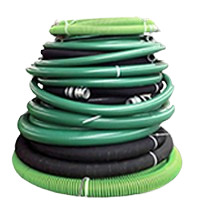
The jetter hose takes plenty of abuse as crews feed it through pipes, drag it across surfaces, and wind it back onto the reel. Small cuts, abrasions, soft spots, kinks, or exposed reinforcement can signal that a hose needs attention. Inspect the full visible length before putting the system under pressure.
Pay particular attention to the sections near fittings and couplings. Repeated bending and pulling can create extra stress in these areas. If something looks questionable, address it before starting the job rather than hoping it holds through another cleaning run.
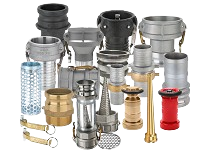
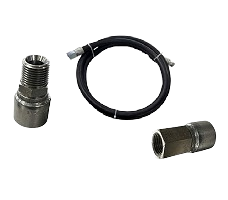
A good hose still depends on secure connections. Contractors should inspect fittings, couplings, swivels, and other connection points for damage, corrosion, looseness, or unusual wear. Even a small connection problem can interfere with reliable operation when the system reaches working pressure.
Keep threads and connection surfaces clean so dirt does not prevent components from seating correctly. Replace damaged parts instead of forcing connections together. A few minutes spent checking fittings can save much more time once the crew reaches the job site.
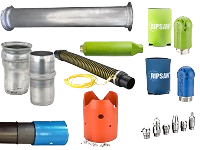
Jetter nozzles control how water exits the hose and attacks debris inside the line. Dirt, mineral deposits, or other material can obstruct nozzle openings and change the spray pattern. That can reduce cleaning effectiveness and make the crew spend more time working the same section of pipe.
Inspect nozzle openings regularly and clean them according to the manufacturer’s recommendations. Never assume a nozzle works correctly just because water still passes through it. A partial obstruction may still affect performance even when the nozzle does not look completely clogged.
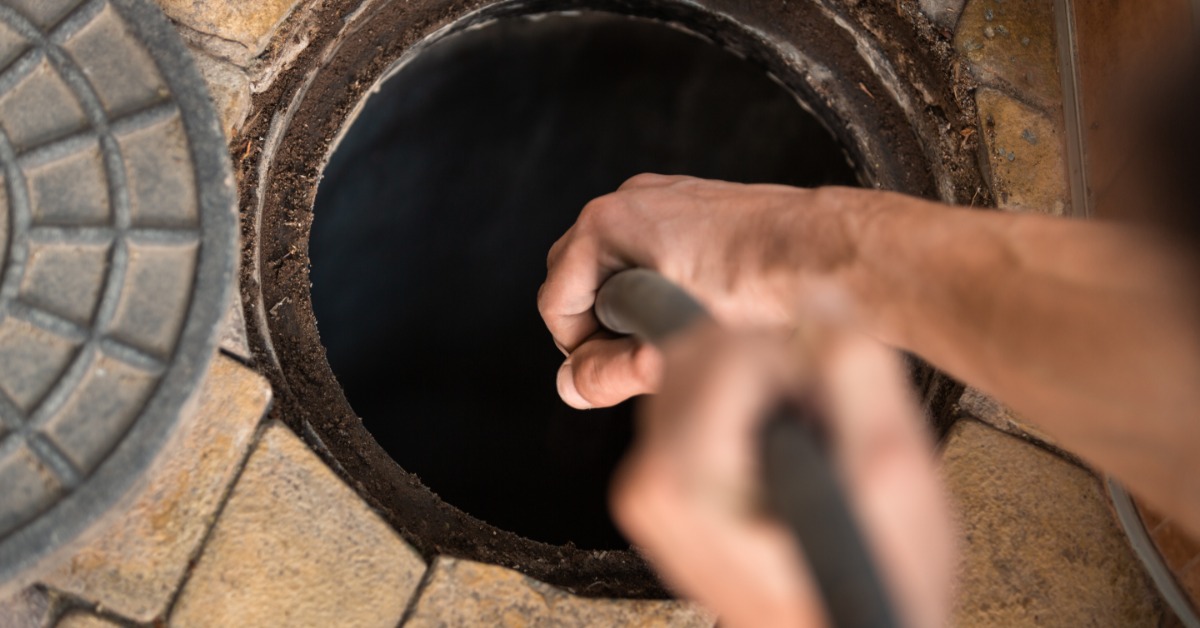
Maintenance also includes using equipment correctly. Contractors should select a nozzle that matches the pipe, blockage, flow, and pressure requirements of the job. Using the wrong nozzle can produce poor results and place unnecessary demands on the jetting system.
Crews should also inspect specialized nozzles before use. If a nozzle shows excessive wear or damage, take it out of service until you can repair or replace it. Keeping commonly used nozzle options organized makes it easier to choose the right setup without wasting time in the field.
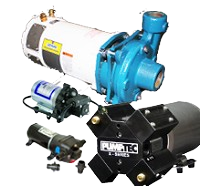
A sewer jetter relies on a water pump to move water through the system under pressure. Contractors should monitor the pump for leaks, unusual sounds, vibration, changes in pressure, or other signs that something has changed. Small differences in normal operation often provide an early warning of developing trouble.
Follow the pump manufacturer’s maintenance schedule for lubrication, fluid changes, seals, filters, and other service requirements. Avoid guessing at maintenance intervals because different pump designs may have different needs. Keep the manual available so crews can check specifications when questions come up.
Clean, consistent water flow helps the jetter perform as intended. Check water tanks, supply hoses, strainers, filters, and related components for contamination, restrictions, leaks, or damage. Debris that enters the system can create problems farther downstream.
Contractors should make filter and strainer inspections part of normal maintenance instead of waiting for reduced performance. A clogged component can restrict flow and make troubleshooting harder. Keeping the supply side clean gives the water pump a better chance to operate consistently.
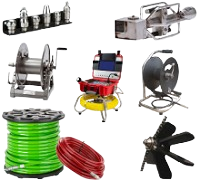
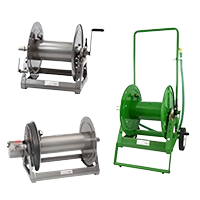
The hose reel may look simple compared with the pump and other components, but it handles repeated movement throughout the day. Check the reel for smooth operation and inspect bearings, swivels, guides, controls, and mounting hardware as appropriate for the equipment.
Watch how the hose winds onto the reel. Uneven winding, binding, or unusual resistance may point to an issue that needs correction. Keeping the reel in good condition also helps crews handle the hose more carefully, which can reduce unnecessary wear over time.
Water leaks deserve attention even when they seem minor. A small leak can grow, create slippery working conditions, waste water, and point to a worn seal, damaged hose, loose fitting, or another developing issue.
Before and during operation, look around connections, valves, hoses, the pump, and other water-handling components. Contractors who also maintain excavation or vacuum equipment may already use similar inspection habits when checking hydrovac truck parts, but jetting systems need their own pressure-specific maintenance routine.
Never ignore a leak simply because the jetter still runs. Find the source and correct the problem according to the equipment manufacturer’s instructions.
Crews can catch many equipment problems with a short inspection at the beginning or end of each shift. A standard routine also reduces the chance that workers overlook important components when the schedule gets busy.
A basic inspection can include:
Crews should report anything unusual instead of leaving the problem for the next operator. Clear communication keeps small maintenance issues from disappearing between shifts.
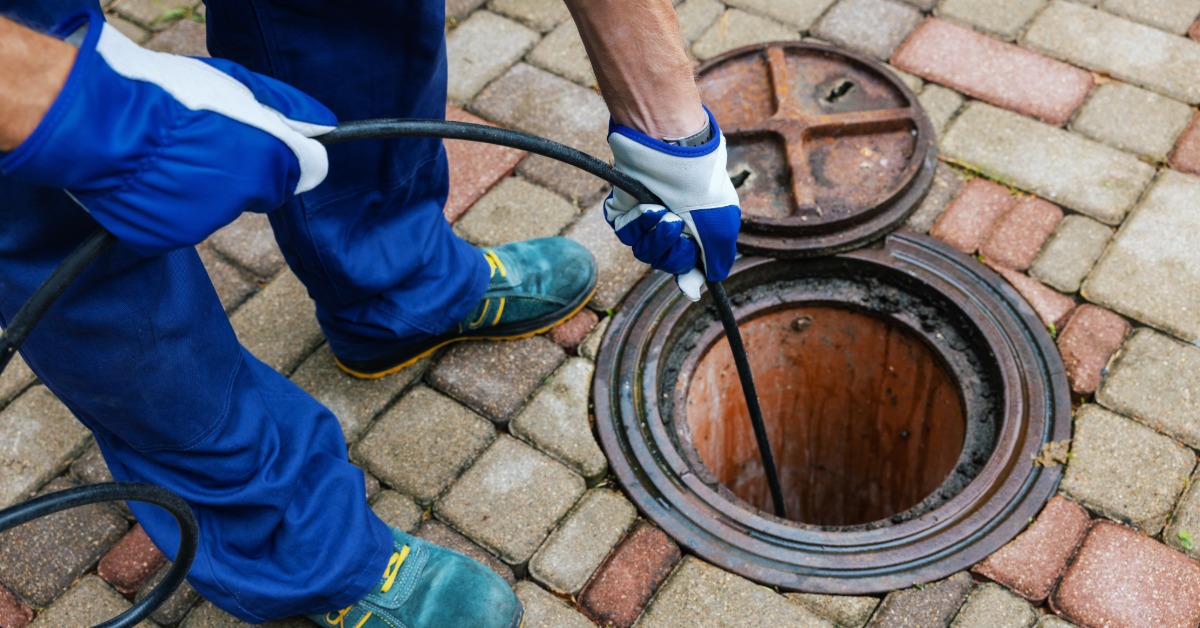
Cleaning the equipment after a dirty job makes more than a cosmetic difference. Mud, grit, grease, road salt, and wastewater residue can hide damage and make components harder to inspect. Regular cleaning gives crews a clearer view of hoses, fittings, controls, and other equipment.
Avoid cleaning methods that could force water or debris into sensitive components. Follow manufacturer recommendations when cleaning pumps, controls, engines, electrical equipment, and other specialized parts. The goal is to remove job-site grime without creating another maintenance problem.
Freezing temperatures can cause serious trouble when water remains inside jetting equipment. Contractors working in cold climates should follow the manufacturer’s winterization procedures whenever freezing conditions could affect the machine.
Drain or protect water-handling components as required, and pay attention to hoses, pumps, tanks, valves, and fittings where trapped water may remain. Do not rely on a quick visual check to confirm that the system is ready for freezing temperatures.
Cold-weather preparation also matters during overnight storage and transportation. A jetter that worked normally in the afternoon can face different conditions several hours later.
Sewer jetting equipment performs better when maintenance becomes part of the normal routine instead of a reaction to breakdowns. Regular hose inspections, nozzle cleaning, pump service, leak checks, and proper storage give contractors more opportunities to find problems before they interrupt a job.
A few consistent habits can make a major difference over a busy season. Follow manufacturer requirements, keep accurate service records, and encourage every operator to report changes in equipment performance. When crews treat maintenance as part of the job, they can keep their sewer jetting equipment ready for the demanding work ahead.