Author: Tyler Mashek
Metal pipe fittings take a beating in the septic and wastewater world. They deal with moisture, chemicals, pressure changes, and constant handling. If corrosion starts, it does not take long for leaks, weak connections, and costly downtime to follow.
Operators who rely on vacuum trucks, jetting systems, and transfer setups need fittings that last. Corrosion control protects performance, keeps systems safe, and reduces unexpected failures in the field. The following tips focus on practical steps you can apply to prevent corrosion.
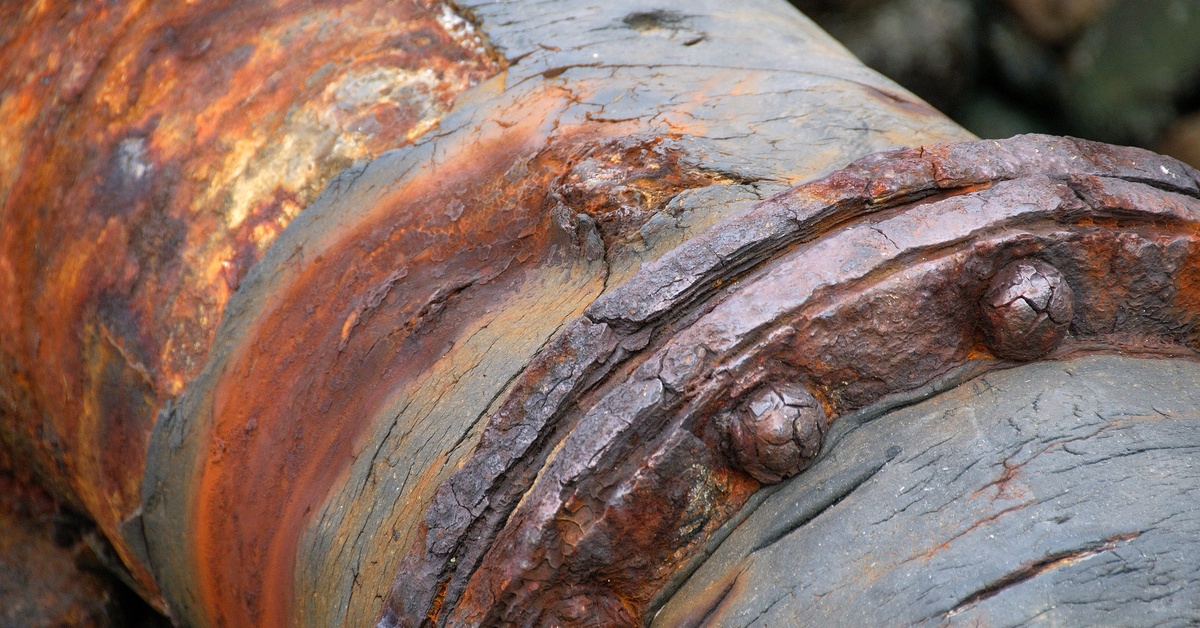
Corrosion forms when metal reacts with moisture, oxygen, chemicals, or salts. In wastewater applications, fittings often face all four at once. Septic waste, cleaning chemicals, and environmental exposure create the perfect conditions for oxidation and metal breakdown.
Electrochemical reactions cause rust on steel and pitting on stainless alloys. Even brass and aluminum can degrade under the wrong conditions. Once corrosion starts, it spreads under coatings and inside threads where you cannot easily see it. Understanding the cause helps you choose the right prevention strategy.
Choosing the right metal for the job makes a major difference. Not all fittings handle wastewater and chemical exposure the same way.
For example:
You should match the fitting material to the exact application. A vacuum truck moving septic waste faces different exposure than a pressure line carrying rinse water.
If you are unsure, ask your supplier about compatibility before installing new components.
Every system has its own operating conditions. Vacuum lines move air to create negative pressure inside a tank. Pressure lines move liquid using an impeller or diaphragm pump. The stresses differ.
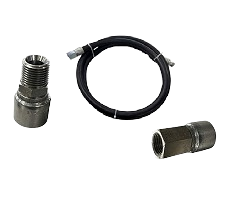
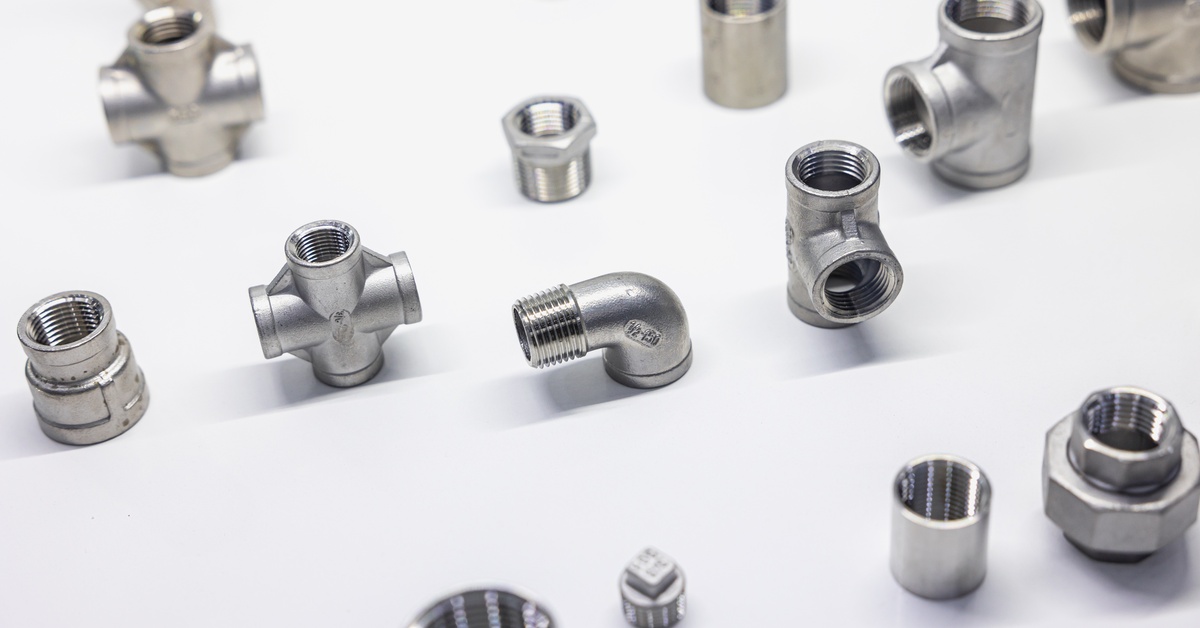
Metal pipe connector fittings used in high-pressure water transfer systems may need thicker walls and stronger coatings. Fittings used in vacuum systems may not contact material directly, but they still face moisture and corrosive vapors.
When you match fittings to their actual role in the system, you reduce premature wear and surface breakdown.
Protective coatings create a barrier between metal and the environment. Powder coating, galvanization, and specialty plating systems all slow oxidation.
A coating blocks moisture and corrosive chemicals from reaching the base metal. Even a thin protective layer significantly increases service life when applied correctly.
However, coatings only work if they remain intact. Scratches, dents, and thread damage expose raw metal underneath. Inspect fittings during installation and replace damaged components before they enter service.
Improper installation speeds up corrosion. Over-tightening damages threads and protective plating. Cross-threading removes surface protection entirely.
You should:
When two dissimilar metals connect, galvanic corrosion can occur. That reaction accelerates metal breakdown at the contact point. Using compatible materials or isolation fittings prevents that issue.
Wastewater equipment collects grime, residue, and chemical buildup. That layer traps moisture against metal surfaces and creates corrosion hotspots.
Regular cleaning removes:
After washing fittings, allow them to dry completely before storage. Trapped moisture encourages rust even in controlled environments.
Operators who clean fittings after heavy jobs often see longer service life compared to those who store equipment dirty.
Standing liquid causes corrosion faster than occasional splashing. When water or waste remains inside fittings, oxygen and contaminants remain in constant contact with metal.
Design systems so liquid drains fully when not in use. Avoid low points where moisture pools. When possible, store hoses and fittings in a way that allows airflow and drying.
Even small adjustments in storage angle reduce internal corrosion over time.
Metal fittings mounted on trucks face road spray, salt, and changing weather conditions. Winter salt accelerates corrosion dramatically.
Operators in coastal regions deal with salt air exposure year-round. That constant salt presence speeds oxidation even when equipment sits idle.
If you operate in harsh environments:
Catching surface rust early prevents structural weakening later.
Corrosion rarely causes sudden failure without warning. Most fittings show early signs such as discoloration, pitting, or flaking.
Create a routine inspection schedule. Look closely at:
Replace fittings that show deep pitting or structural thinning. Waiting until a leak forms increases repair costs and downtime. A few minutes of inspection during routine maintenance saves hours of emergency repair.
Septic and wastewater systems often encounter cleaning agents, degreasers, and treatment chemicals. Some chemicals react aggressively with certain metals.
Acids, chlorides, and high-salinity fluids can break down protective layers quickly. Even stainless steel can pit under chloride exposure.
Before introducing new chemicals into your system, verify compatibility with your metal fittings. If needed, switch to materials rated for chemical resistance.
Avoid assuming that all metal fittings perform the same under chemical stress.
Yes, when used correctly. Certain thread lubricants and anti-seize compounds provide a protective barrier between metal surfaces. They reduce friction during tightening and help prevent moisture intrusion.
Select products designed for your application. Some sealants contain compounds that protect against rust and galling. Others focus strictly on sealing performance.
Apply sealant evenly and avoid overuse. Excess material can trap debris or interfere with proper seating.
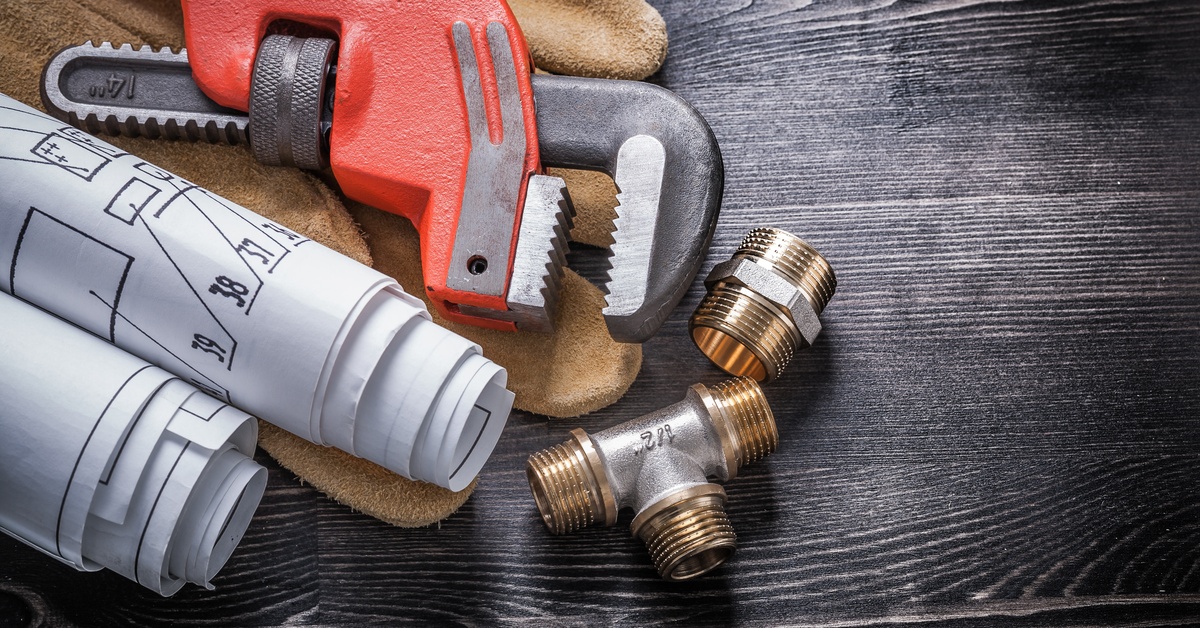
Galvanic corrosion occurs when two dissimilar metals contact each other in the presence of moisture. One metal becomes the anode and corrodes faster.
For example, pairing aluminum with stainless steel without isolation may create accelerated degradation. The same issue can appear when brass and steel connect in wet environments.
Use dielectric unions, isolation fittings, or compatible materials to prevent galvanic reactions.
Corrosion does not just damage a single fitting. It weakens entire systems. Leaks lead to contamination risks, downtime, and emergency service calls.
Preventive steps reduce:
Small habits such as cleaning, inspection, and proper storage protect both your fittings and your reputation on the job.
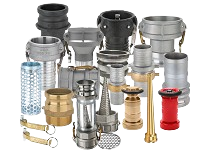
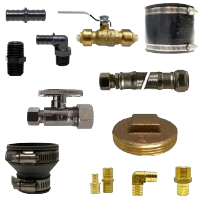
Metal pipe fittings play a key role in septic and wastewater systems. They connect hoses, secure transfer lines, and maintain pressure or vacuum integrity. When corrosion weakens those connections, the entire operation suffers.
You can prevent most corrosion issues through smart material selection, proper installation, regular cleaning, and routine inspection. Match fittings to the job, protect exposed surfaces, and store equipment correctly. Pay attention to chemical compatibility and avoid mixing metals without isolation.
If you need help selecting durable fittings built for tough wastewater environments, contact Varco Supply. Our team understands the demands of the field and can help you choose components that hold up over time.
Taking corrosion seriously today keeps your equipment running tomorrow.