Author: Tyler Mashek
Septic maintenance can get messy fast if your process lacks structure. Crews deal with tight schedules, heavy equipment, and unpredictable conditions every day. When systems break down or workflows slow, productivity takes a hit.
You can tighten things up with a few smart changes. Better organization, smarter equipment choices, and consistent routines all make a real difference. Let’s break down practical ways to keep your septic maintenance process running smoother from start to finish.
A solid schedule keeps everything moving without guesswork. When you know what needs service and when, you avoid last-minute scrambles.
Set routine intervals for inspections, pumping, and equipment checks. Stick to those intervals as closely as possible. Digital scheduling tools or even a shared calendar can help crews stay aligned.
Consistency matters here. Skipping routine work usually leads to bigger problems later.
Every crew should follow the same basic process. That includes setup, pumping, cleanup, and reporting.
Standardization reduces confusion and speeds up training. New team members can jump in faster when expectations stay consistent. It also helps prevent mistakes that come from improvising on the fly.
Write out your process and refine it over time. Small tweaks can shave minutes off every job, which adds up quickly.
Nothing slows a job down like hunting for tools. Disorganized trucks and storage areas waste time and frustrate crews.
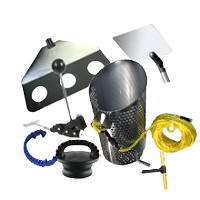
Create designated spots for hoses, fittings, and accessories. Label storage areas if needed. Make sure everything goes back to the same place after each job. A clean, organized setup helps crews move faster and reduces wear on equipment.
Quick inspections before and after each job prevent bigger issues later. You don’t need a long checklist, but you do need consistency.
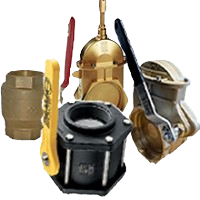
Focus on critical components like hoses, valves, and pumps. Look for cracks, leaks, or unusual wear. Catching problems early keeps trucks on the road and avoids costly downtime. Daily checks also improve safety, which should always stay a priority.
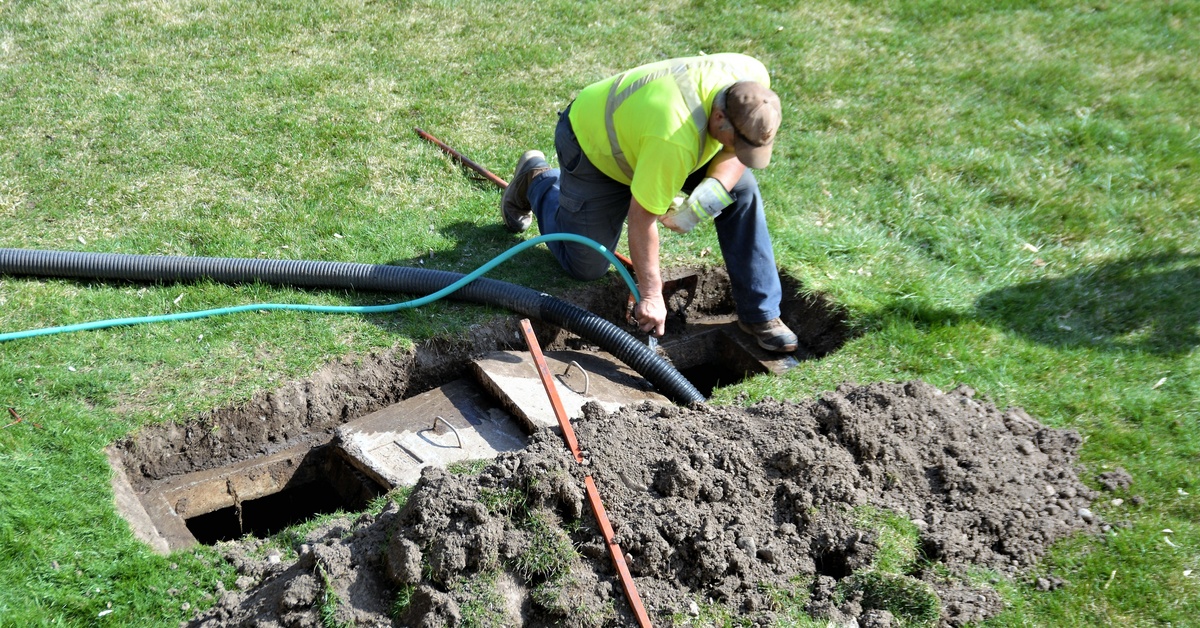
Using the wrong tools slows everything down. Equipment should match the type of work your crew handles most often.
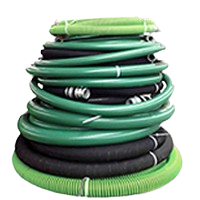
For example, vacuum systems should handle the volume and material type you deal with daily. Hoses and fittings should hold up under pressure without constant replacement.
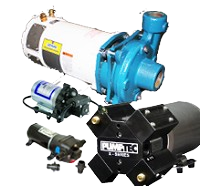
Working with a reliable water pump supplier can also help you choose components that improve efficiency and last longer in the field. Water pumps are important for septic operations because they allow you to clean out pipes much more easily.
The right setup reduces breakdowns and keeps jobs moving.
Even the best equipment won’t help if your crew doesn’t use it properly. Training plays a huge role in streamlining operations.
Focus on:
Keep training practical and hands-on. Crews retain more when they learn on the job instead of sitting through long explanations.
Setup and cleanup can eat up more time than the actual pumping work. Tightening these steps makes a noticeable difference.
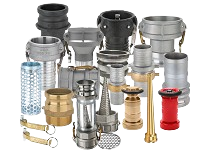
Look for ways to simplify connections and reduce unnecessary steps. Quick-connect fittings and organized hose layouts can speed things up.
Crews should also follow a consistent teardown routine. That prevents missed steps and keeps equipment in good condition.
Waiting for equipment to fail creates downtime and stress. Preventive maintenance keeps things predictable.
Replace worn parts before they break. Schedule service for pumps and critical components at regular intervals. Keep spare parts on hand for common repairs.
This approach costs less over time and keeps your operation running without major interruptions. Work with a septic equipment supplier like Varco Supply when you want to get ahead of repairs.
You can’t improve what you don’t measure. Tracking key details helps you spot inefficiencies and fix them.
Pay attention to:
Even simple tracking methods can reveal patterns. If one step consistently slows things down, you can adjust your process to fix it.
Miscommunication leads to delays and mistakes. Clear communication keeps jobs moving smoothly.
Make sure everyone understands their role before arriving on-site. Use radios or mobile apps to stay connected during larger jobs. Simple check-ins can prevent small issues from turning into bigger problems.
Running out of an important part in the middle of a job can derail your entire schedule. Keeping backup supplies close by saves time and stress.
Stock commonly used items like hoses, clamps, and fittings. Make sure crews know where to find them quickly. This small step can prevent unnecessary trips back to the shop.
Travel time adds up fast, especially with multiple jobs in a day. Better route planning helps crews spend more time working and less time driving.
Group jobs by location whenever possible. Use GPS tools or routing software to avoid traffic and reduce fuel usage.
Efficient routing also reduces wear on vehicles, which lowers maintenance costs over time.
A clean job site improves efficiency and builds trust with customers. It also makes cleanup faster at the end of each job. This allows you to get out of there sooner without needing to take extra time cleaning at the end.
Encourage your crews to keep their hoses arranged neatly and to avoid spills whenever possible. The more that you can clean on the go, the better off you’ll be. Professional habits save time and help your business stand out in a competitive marketplace.
Even a strong system can get better. Regular reviews help you find areas for improvement, so you should always review your processes even when they’re working well for you.
Ask your crew what slows them down. Look at your job data and identify trends. Test small changes and see what works. Continuous improvement keeps your operation competitive and efficient.
Streamlining your septic maintenance process doesn’t require a complete overhaul. Most improvements come from small, consistent changes.
Better organization, smarter scheduling, and the right equipment can transform how your crew operates day to day. Over time, those changes lead to faster jobs, fewer breakdowns, and a more reliable workflow.
If you stay proactive and keep refining your process, you’ll spend less time dealing with problems and more time getting work done.