Author: Tyler Mashek
Engineers and system designers frequently select brass valves for their durability, corrosion resistance, and versatility in various plumbing and industrial applications. However, selecting the correct valve requires a thorough understanding of technical specifications, particularly pressure ratings. Improper selection can lead to system failure, leaks, or safety hazards. Here we examine the critical specifications and pressure ratings associated with brass valves to ensure optimal system performance and safety.
The specific alloy used in manufacturing significantly influences the pressure-bearing capacity of a valve. Standard brass typically contains copper and zinc, but the exact ratio determines mechanical properties. Leaded brass, while common in older applications, has largely been replaced by lead-free alloys (such as C46400 or C27450) to comply with regulations like the Safe Drinking Water Act.
Forged brass offers higher tensile strength compared to cast brass. The forging process aligns the metal's grain structure, reducing the likelihood of porosity and internal defects. Consequently, forged brass valves often support higher working pressures than their cast counterparts. Designers must verify the ASTM material designation to confirm the alloy suits the intended pressure environment.
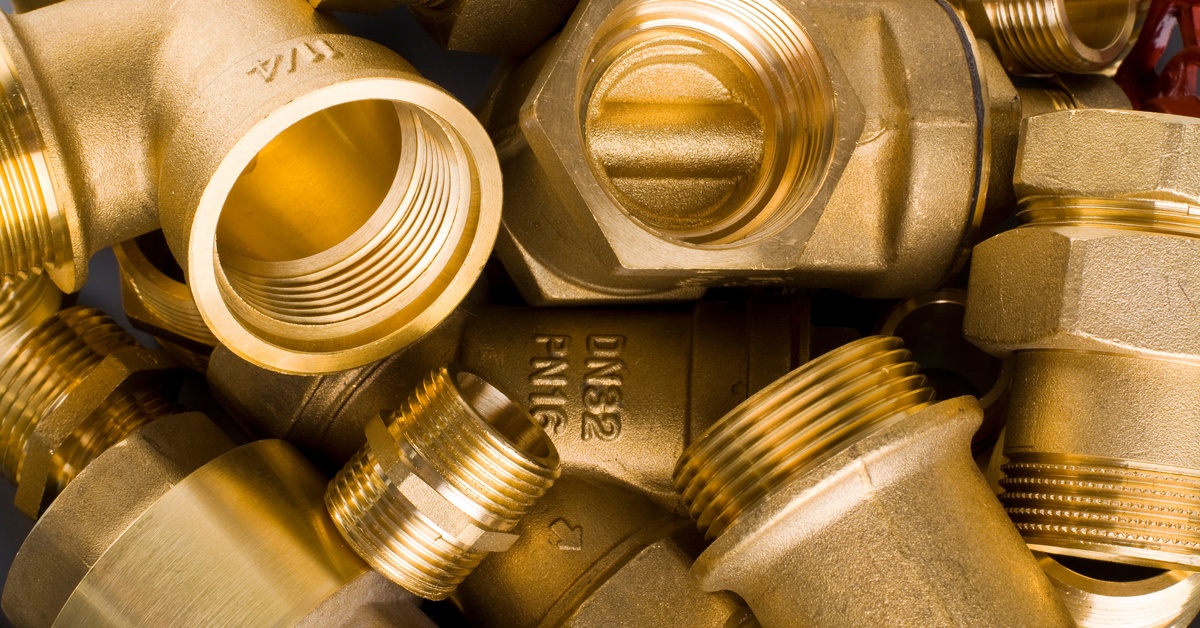
Cold Working Pressure (CWP) represents the maximum allowable pressure a valve can withstand at ambient temperatures, typically between -20°F and 100°F (-29°C to 38°C). Manufacturers often mark valves with a "CWP" rating, such as 600 CWP, indicating the valve can handle 600 PSI at room temperature.
This rating serves as the baseline for valve selection in general plumbing and hydraulic systems where extreme heat is not a factor. It is the most common rating found on ball valves and check valves. Exceeding this limit can deform the valve body or blow out the seals.
When discussing Water, Oil, and Gas (WOG) pressure ratings for brass valves, the WOG rating indicates the maximum pressure the valve can safely handle for non-steam applications across those three media at a specified temperature, typically around 100°F (38°C). Brass valves are commonly rated at values such as 600 WOG, meaning they can withstand up to that pressure when used with water, petroleum-based oils, or gas. This rating reflects the material strength of brass and the valve’s internal design, including wall thickness and sealing surfaces. Anything higher than a 600 WOG rating will often require a more rigid material like stainless steel.
Working Steam Pressure (WSP) indicates the maximum pressure a valve can handle when used in steam service. Steam presents unique challenges due to high temperatures and the potential for thermal expansion. A valve rated for 600 CWP might only carry a 150 WSP rating.
The discrepancy exists because elevated temperatures reduce the tensile strength of brass and soften internal sealing materials like PTFE. Engineers must differentiate between saturated steam and superheated steam, as the latter requires specialized valve construction. Using a valve based solely on its CWP rating in a steam application will likely result in catastrophic failure.
While the brass body provides structural integrity, the internal seats and seals determine the functional pressure limit. Common sealing materials include:
The pressure-temperature chart provided by the manufacturer illustrates how these materials perform. As temperature rises, the pressure rating of the seat material usually drops before the limit of the brass body is reached.
Valve body design dictates pressure distribution. A two-piece body design generally offers higher pressure ratings than a one-piece design due to the larger port size and robust construction. However, three-piece designs allow for easier maintenance without removing the valve from the line.
Pressure classes, such as Class 125, Class 150, or Class 300, follow standards set by organizations like ANSI (American National Standards Institute) or ASME (American Society of Mechanical Engineers). These classes correlate pressure ratings with temperature. For instance, a Class 150 brass valve has a specific pressure limit at ambient temperature that decreases as the operating temperature increases.
The method of connecting the valve to piping affects the overall system pressure rating. Threaded connections are standard for high-pressure applications but require proper sealant and torque to prevent leaks. Solder connections are common in low-pressure water systems but are susceptible to heat damage during installation, which can compromise internal seals.
Compression fittings offer convenience but typically have lower pressure ratings than threaded or soldered connections. Press-fit technology has gained popularity for its speed and reliability, yet the pressure limit depends on the O-ring and the mechanical strength of the crimp. The lowest-rated component, whether the valve or the connection, determines the maximum system pressure.
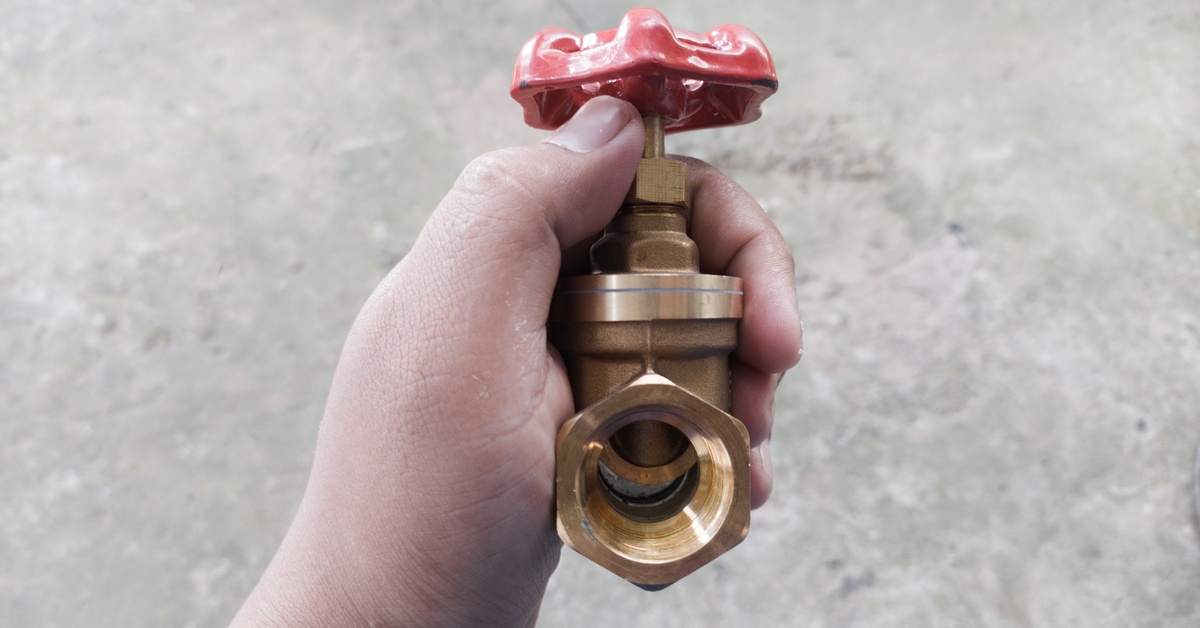
The Flow Coefficient (Cv) measures the volume of water in gallons per minute (GPM) that flows through a valve with a one-pound per square inch (PSI) pressure drop at 60°F. A higher Cv indicates less flow resistance.
While Cv does not directly measure maximum pressure, it indicates how the valve affects system pressure dynamics. An undersized valve with a low Cv creates a significant pressure drop, leading to cavitation or flashing. These phenomena cause rapid pressure fluctuations and physical damage to the valve internals, effectively reducing its operational lifespan and pressure-holding capability.
Third-party certifications validate pressure ratings and safety features. A valve marked with "UL" (Underwriters Laboratories) meets specific safety standards for fluids or gases. "CSA" (Canadian Standards Association) and "FM" (Factory Mutual) indicate compliance with standards often required in fuel gas or fire protection systems.
These marks ensure the manufacturer has subjected the valve to rigorous testing, including hydrostatic burst tests and cycle testing. Using non-certified valves in critical infrastructure risks regulatory non-compliance and voids insurance warranties if a pressure-related failure occurs.
The pressure-temperature (P-T) chart is the definitive resource for determining valve suitability. It plots operating pressure on the vertical axis and temperature on the horizontal axis. The curve represents the safe operating range.
A valve might be rated for 600 PSI at 70°F and 150 PSI at 300°F. Operating a valve outside the area below the curve invites failure. Engineers must identify the maximum possible temperature and pressure of the system and make sure this coordinate point falls comfortably within the valve's safe operating zone defined by the chart.
Proper specification involves synthesizing all the factors discussed. System designers must evaluate fluid compatibility, operating temperature range, maximum static pressure, and potential dynamic pressure surges.
For example, a hydraulic system requires high-pressure ball valves with reinforced seats, whereas a domestic water line might only require standard CWP-rated isolation valves. Ignoring specific attributes like port size (full port vs. standard port) can also impact pressure efficiency. Detailed analysis of specifications helps to make sure the chosen brass valves perform reliably throughout their intended service life.