Author: Tyler Mashek
When you need to move water on the job, picking the right pump matters more than most people think. The wrong choice can slow production, clog equipment, or wear out internal components faster than expected. If you’re comparing a water pump vs. a trash pump, the real question comes down to what you’re moving and where you’re moving it.
Let’s break down which pump is right for you in straightforward terms so you can choose the right setup for your operation.
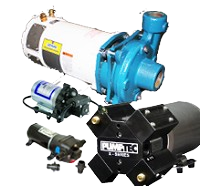
A water pump moves clean or lightly contaminated water from one location to another. Most models rely on an impeller that spins inside a housing. That spinning motion creates pressure, which pushes water through the discharge line.
Water pumps perform best when the liquid contains little to no solids. Tight internal tolerances improve efficiency and pressure, but they also leave less room for debris. When solids enter the system, they can damage the impeller or clog the housing.
If your job involves controlled water transfer, a standard water pump often fits the bill.
A trash pump also uses an impeller, but the internal design differs in an important way. Manufacturers build trash pumps with larger clearances and wider openings. That design allows solids and debris to pass through without clogging the system.
Instead of focusing strictly on clean flow and pressure efficiency, trash pumps prioritize durability and debris handling. They keep working even when mud, sand, or organic material enters the intake.
When jobsite water looks murky or gritty, a trash pump usually makes more sense.
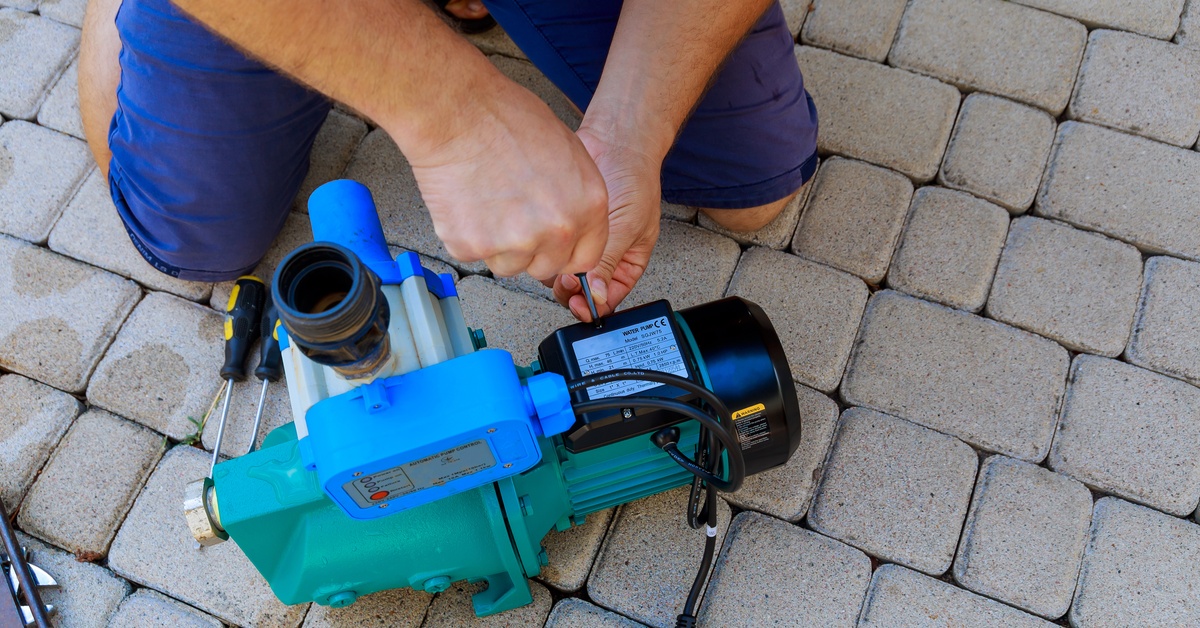
This question often makes the decision simple. Water pumps handle clean water, lightly sedimented water, and controlled transfers where you can manage intake conditions. They work well for irrigation systems, tank transfers, rinsing applications, and general water supply.
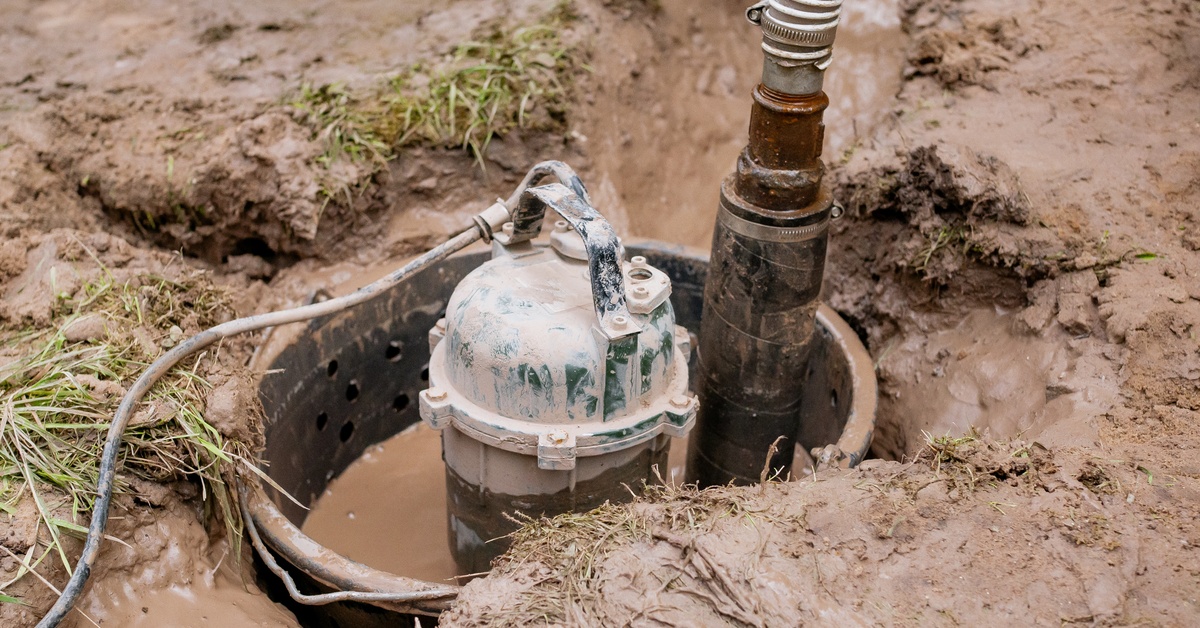
Trash pumps handle muddy water, sand, small rocks, leaves, and heavy sediment. Construction sites, flooded areas, and excavation pits often produce exactly that kind of material. When debris mixes with water, you need internal components designed to tolerate it.
If you expect solids, even occasionally, you should account for that upfront.
Water pumps often focus on maintaining steady pressure. That makes them useful for applications that require controlled discharge or consistent output over longer distances. When you need to push clean water uphill or through extended hose runs, pressure performance becomes important.
Trash pumps, on the other hand, usually emphasize volume. They move large amounts of dirty water quickly, even when the liquid contains debris. While they still produce solid flow, they don’t always match the pressure efficiency of pumps designed specifically for clean systems.
Your decision depends on whether pressure control or debris tolerance matters more for your job.
Trash pumps handle solids far more effectively than standard water pumps. Their wider passages allow sediment and small debris to move through the system without packing around the impeller.
Water pumps rely on tighter clearances to maximize efficiency. That design improves performance with clean water but increases risk when solids enter the intake. Even small amounts of sand can accelerate wear over time.
Controlled environments favor water pumps. If you pull water from a clean tank, a treated supply, or a relatively clear source, you can protect the pump and maintain efficiency. These situations reduce the chance of unexpected debris entering the system.
Unpredictable jobsites favor trash pumps. Heavy rain, open ground, excavation work, and runoff can quickly contaminate water sources. What starts as clear water can turn muddy once soil gets disturbed. In those environments, durability becomes more valuable than peak efficiency.
Every pump requires maintenance, but the type of wear differs. Water pumps require close monitoring of seals and impellers, especially if any sediment slips into the system. Clean intake conditions help extend service life.
Trash pumps require periodic inspection for accumulated debris and wear plate damage. Sand and grit still wear down components over time. However, trash pumps tolerate abuse better because manufacturers design them for harsher environments. No matter which pump you choose, routine inspection protects your investment.
Choose a water pump when you move clean water and need consistent pressure. Irrigation systems, tank filling, rinse stations, and controlled transfer applications all benefit from a pump optimized for efficiency.
In fleet operations, water pumps often support cleaning systems. For example, washdown pumps rely on steady pressure to remove debris from equipment surfaces. In those scenarios, you want reliable flow without worrying about solids passing through the system.
If the water source stays predictable and clean, a water pump usually delivers the performance you need.
Choose a trash pump when debris and sediment enter the picture. Construction crews often deal with muddy runoff that collects in low areas. Flood recovery jobs involve contaminated water filled with leaves, dirt, and small objects.
In these situations, a pump designed strictly for clean water will struggle. A trash pump keeps working even when water quality drops. That resilience can prevent constant shutdowns for cleaning or repair.
You can sometimes use a trash pump for clean water without creating problems. It will move the liquid without issue, although it may not provide the same level of pressure precision as a pump designed specifically for clean systems.
Using a water pump in place of a trash pump presents more risk. If solids enter the intake, the internal components can wear quickly or clog. Intake screens help to a point, but they clog fast in heavy sediment and slow down production.
When in doubt, match the pump to the harshest conditions you expect to face.
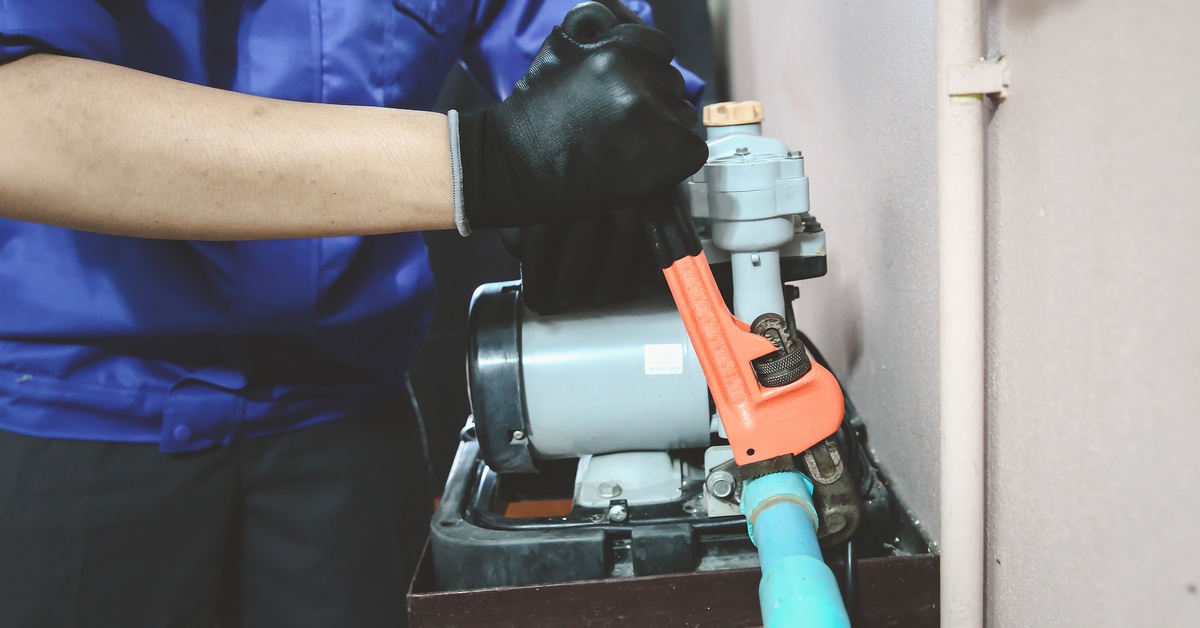
Initial purchase price often influences equipment decisions. Water pumps sometimes cost less than heavy-duty trash pumps. However, the cheaper option does not always represent the best long-term value.
If you use a water pump in dirty conditions, repair costs can add up quickly. Impeller damage, seal failure, and downtime all carry a price. A trash pump may cost more upfront, but it can reduce unplanned shutdowns when debris becomes part of the job.
If you move clean water in controlled environments and need steady pressure, a water pump fits your needs. It delivers efficient performance when solids stay out of the system.
If you move muddy, debris-filled water or work in unpredictable conditions, a trash pump makes more sense. It handles solids, tolerates grit, and keeps jobs moving when water quality drops.
Many operations benefit from having both water pumps and trash pumps available for the job. Clean transfer jobs call for efficiency. Dirty jobs call for durability. Matching the pump to the material protects your equipment and keeps your schedule on track.