Author: Tyler Mashek
Vacuum pump efficiency affects everything from job time to fuel costs to long-term equipment life. When a pump pulls harder and runs cleaner, operators finish jobs faster and avoid unnecessary wear. Field efficiency does not come from one magic fix. It comes from a series of habits, inspections, and setup choices that work together day after day.
The good news is that most efficiency gains come from things operators can control. Small changes in airflow management, maintenance routines, and operating technique add up quickly in real-world conditions. Below are practical, field-tested ways to improve vacuum pump efficiency without turning the job into a science experiment.
Oil condition and oil level directly affect how well a vacuum pump performs. Low oil reduces sealing between internal components, which weakens vacuum strength. Dirty oil increases friction and heat, which robs efficiency.
Operators should check oil levels at the start of each day. The sight glass or dipstick tells the story quickly. Oil should look clean and free of foam or sludge. Foamy oil usually points to moisture contamination, which kills efficiency fast.
Changing oil on schedule matters just as much. Long oil change intervals might feel convenient, but they cost suction power over time.
Air leaks waste vacuum capacity. Even small leaks reduce system efficiency because the pump works harder to pull the same load.
Common leak points include:
Operators should listen for hissing sounds during operation. A quick visual inspection before a job prevents chasing weak suction later. Fixing leaks improves performance immediately and reduces unnecessary run time.

Dirty hoses restrict airflow. Built-up sludge, grease, or debris reduces the internal diameter of the hose, which slows material movement.
Rinsing hoses after jobs prevents buildup from hardening. Grease and solids stick harder once they dry. Over time, dirty hoses force the pump to work longer for the same result.
Clean hoses also help spot damage early. Cracks, soft spots, or delamination show up faster when the hose surface stays clean.
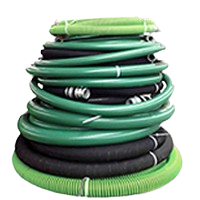
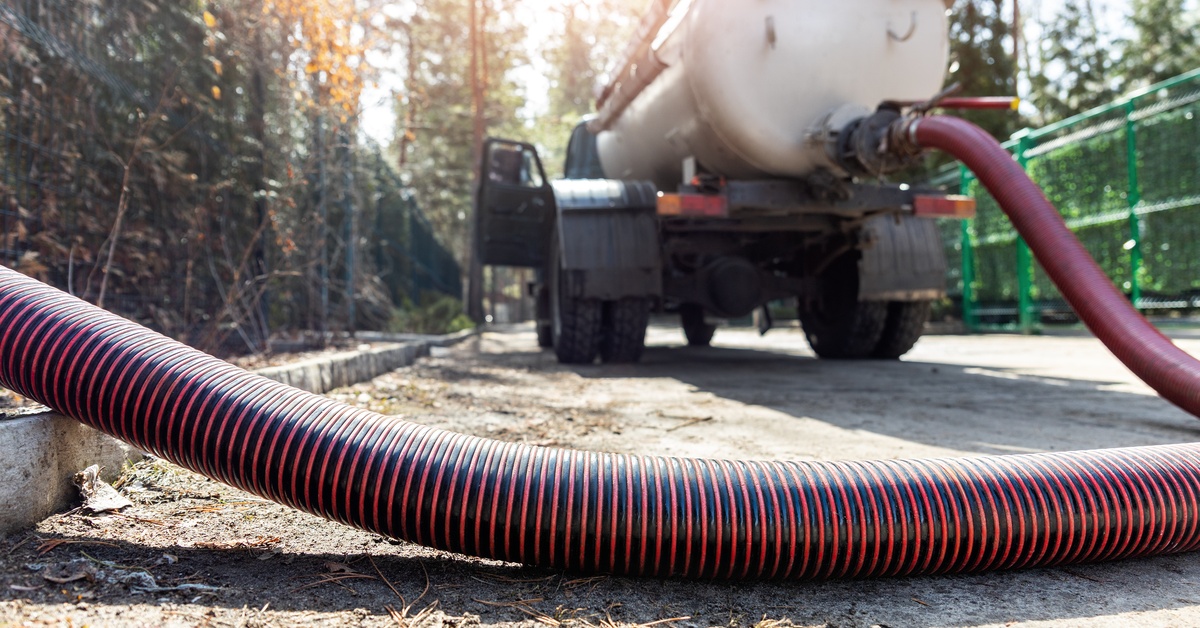
Hose size matters more than many operators realize. Smaller hoses restrict airflow and slow material movement, especially on long runs.
Larger-diameter hose allows higher airflow at lower resistance. That means faster loading and less strain on the pump. Operators should match hose size to the job whenever possible instead of defaulting to one setup.
Long hose runs are a lot more inefficient. Reducing unnecessary length improves performance immediately.
Heat kills efficiency. High operating temperatures thin oil, reduce sealing, and increase wear inside the pump.
Operators should monitor temperature during extended jobs. Rising temperatures often signal airflow restrictions, dirty oil, or blocked cooling fins. Ignoring heat problems shortens pump life and reduces suction strength.
Keeping cooling systems clean helps control temperature. Dust, grease, and debris act like insulation and trap heat where it hurts most.
Running the pump faster does not always improve performance. Excessive RPMs increase heat, oil breakdown, and internal wear.
Manufacturers specify optimal RPM ranges for a reason. Operating within that range delivers the best balance of airflow and longevity. You should verify engine speed under load instead of relying on guesswork. Stable RPMs also protect belts, couplings, and bearings from unnecessary stress.
Moisture contamination weakens vacuum performance. Water mixes with oil, reduces sealing, and increases internal corrosion.
You need to drain moisture traps and tanks regularly, especially in humid conditions or after wet loads. Skipping this step allows water to circulate through the system. Moisture problems often show up as milky oil or fluctuating vacuum levels. Addressing water early prevents expensive repairs later.
Restricted filters choke airflow. When air cannot move freely, the pump loses efficiency and builds heat.
Intake filters deserve regular inspection. Dust, grit, and debris clog filters faster in field environments than many operators expect. Cleaning or replacing filters restores airflow quickly.
Exhaust filters also matter. Blocked exhaust creates backpressure, which forces the pump to work harder for less output.
Opening valves too quickly can shock the system. Slamming valves wide open causes pressure swings that reduce efficiency and stress components.
Smooth valve operation allows controlled airflow changes. Gradual adjustments help the pump maintain stable vacuum levels and reduce strain.
Operators who pay attention to valve timing often notice faster material movement with less engine effort.
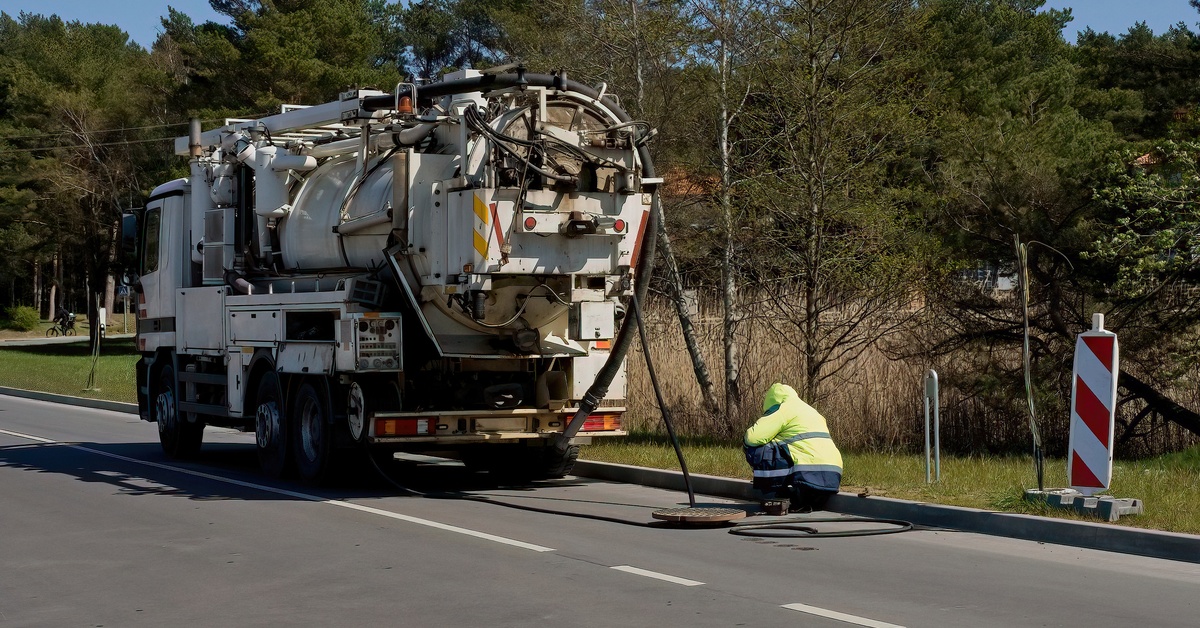
Different jobs demand different pump characteristics. Liquid-heavy loads, thick sludge, and dry debris all behave differently under vacuum.
Using equipment designed for the job improves efficiency immediately. Operators who push vac pumps outside their comfort zone often fight slow loading and excessive heat.
Efficiency depends on operator habits as much as equipment condition. Proper startup, shutdown, and operating techniques extend pump life and improve daily performance.
Training should cover:
Experienced operators often develop good habits naturally, but consistent training makes sure that everyone runs equipment the right way.
Preventive maintenance keeps small issues from becoming performance problems. Waiting until suction drops usually means damage already exists.
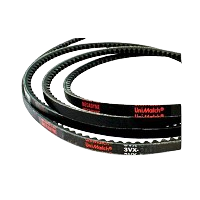
Regular service schedules should include oil changes, filter inspections, belt checks, and hose evaluations. Tracking service intervals helps prevent skipped maintenance during busy seasons. Well-maintained pumps run cooler, pull harder, and last longer.
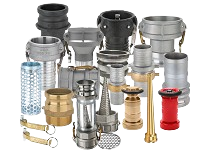
System layout affects airflow more than many operators realize. Sharp bends, unnecessary fittings, and long hose runs all reduce efficiency.
Simplifying hose routing improves airflow immediately. Straighter runs allow material to move faster with less resistance. Operators should rethink setups that require excessive adapters or tight bends.
Small layout changes often deliver noticeable gains without any equipment upgrades.
Vacuum pumps communicate through sound and vibration. Changes often signal developing issues.
Unusual noises, increased vibration, or fluctuating suction deserve attention right away. Catching problems early prevents efficiency loss and major repairs.
Experienced operators rely on these cues every day. New operators benefit from learning what normal operation feels like.
Improving vacuum pump efficiency in the field does not require drastic changes or expensive upgrades. Consistent maintenance, smart setup choices, and good operating habits deliver the biggest gains. Each improvement builds on the others, creating a system that runs cleaner, cooler, and more reliably.
Field efficiency comes from attention to detail. Operators who stay proactive spend less time fighting equipment and more time finishing jobs. Over time, those small improvements protect both the pump and the bottom line.