Author: Tyler Mashek
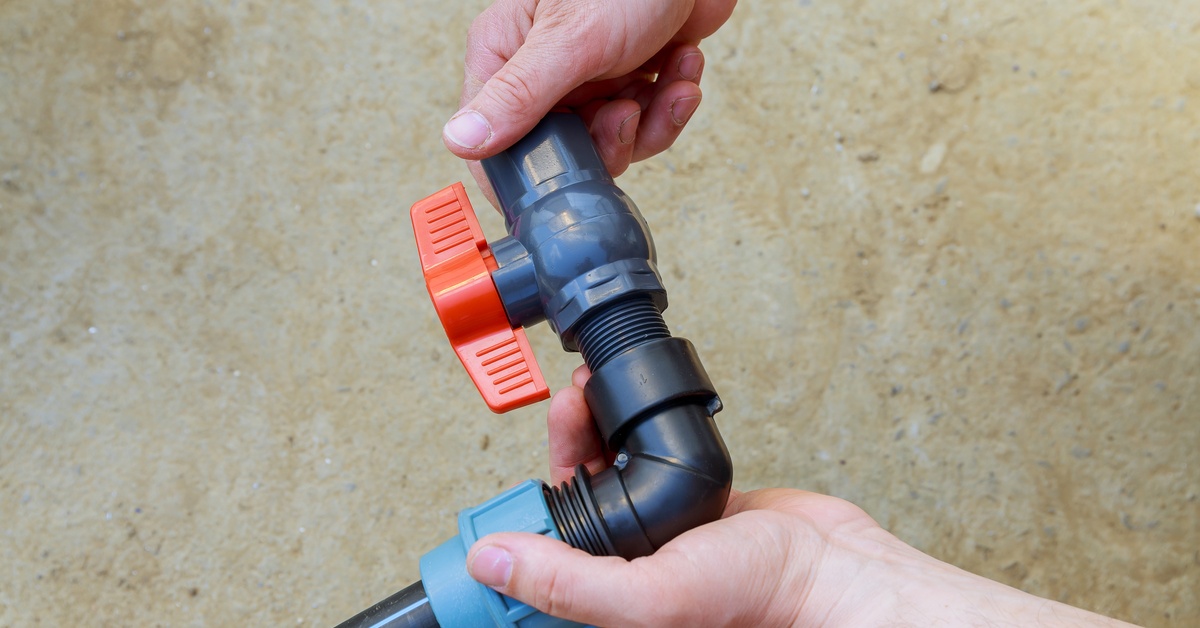
Portable pumping systems require components that balance durability, weight, and cost-effectiveness while maintaining reliable performance across plenty of different conditions. Plastic valves have emerged as the preferred choices for these applications due to their unique combination of properties that address the specific demands of mobile pumping equipment.
Understanding the advantages of plastic valves helps operators and engineers make informed decisions when specifying components for their portable pumping systems. Below, examine the key reasons why plastic valves excel in these applications.
Plastic valves weigh significantly less than their metal counterparts, which directly affects the portability of pumping systems. This weight reduction allows for easier transportation and handling, particularly when systems must be moved between job sites. The decreased weight also reduces fuel consumption during transport and minimizes physical strain on operators who move equipment manually.
Unlike metal valves, plastic valves resist corrosion from chemicals, salt water, and other corrosive substances that pumping applications commonly encounter. This inherent corrosion resistance eliminates the need for protective coatings and reduces maintenance requirements. Plastic valves maintain their structural integrity and sealing performance even after prolonged exposure to severe environs.
Plastic valves typically cost less than comparable metal valves, making them economical choices for vacuum pumping systems. The lower initial investment allows operators to reallocate resources to other critical components or maintain larger inventories of spare parts. The reduced maintenance costs over the valve's life span further enhance the overall cost-effectiveness of plastic valve solutions. This is especially beneficial for budget-conscious operations such as volunteer fire departments and small municipalities.
Additionally, plastic valves require less energy to operate due to their lightweight construction. This can result in lower fuel costs for vacuum trucks, making them sustainable, cost-saving options for long-term use. Plastic valves also have longer life spans compared to metal valves, reducing the need for frequent replacements and associated expenses.
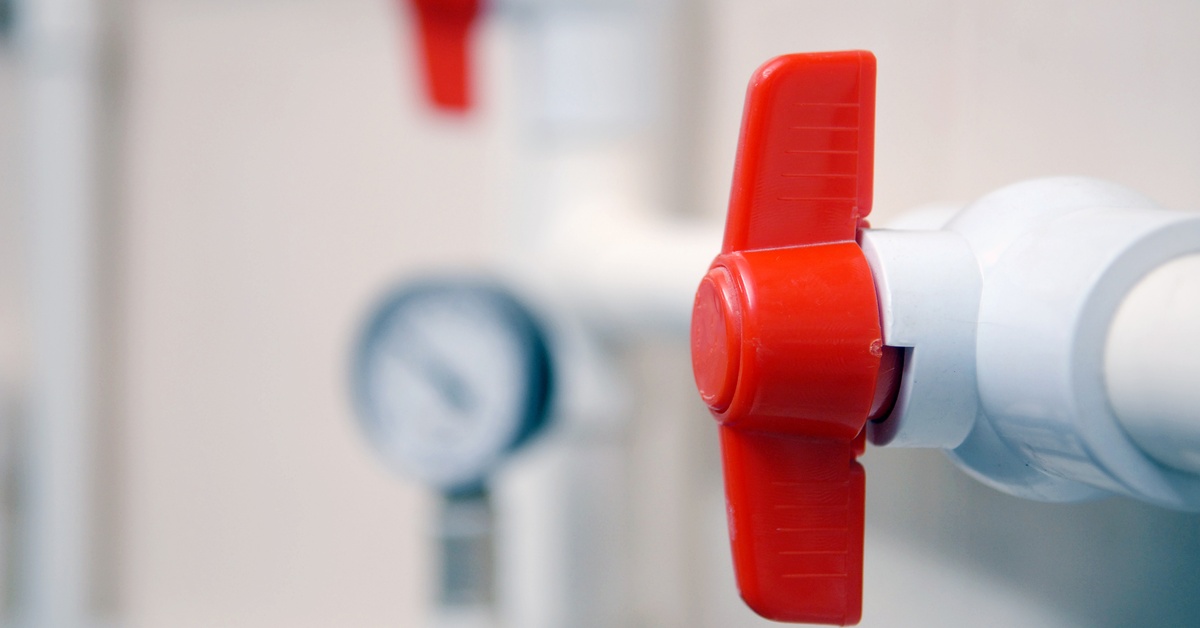
Plastic valves offer excellent compatibility with a wide range of fluids, including:
This versatility makes plastic valves suitable for multiple pumping applications without requiring different valve materials for different fluids. Operators can use the same vacuum pump system across job sites with confidence in valve performance.
Plastic valves require minimal maintenance compared to metal valves. They don’t need lubrication as frequently, and their corrosion resistance eliminates the need for regular inspections to check for rust or degradation. This reduced maintenance burden keeps vacuum pump systems operational for longer periods and decreases the total cost of ownership.
The manufacturing process for plastic valves produces smooth interior surfaces that minimize friction and turbulence. These flow characteristics reduce pressure drop across the valve and improve overall system efficiency. The smooth surfaces also resist buildup of sediment and debris, which maintains consistent performance over time. Additionally, the smooth surfaces make cleaning and maintenance easier, saving time and effort for operators.
Modern plastic valves function effectively across temperature ranges to accommodate most portable pumping applications. While not suitable for extremely high-temperature applications, plastic ball valves and other plastic valve types perform reliably within the temperature ranges typically encountered in field operations. Operators should verify that the selected plastic valve material matches the expected temperature conditions.
Plastic valves install quickly using standard connection methods such as threaded, flanged, or solvent-welded joints. The lightweight nature of plastic valves makes them easier to handle during installation, and the connections require less torque than metal valves of equivalent size. This ease of installation translates to faster setup times for vacuum pumping systems. In emergency situations, every second counts, and plastic valves can save precious time.
Plastic valves generate less noise and vibration during operation compared to metal valves. This characteristic improves operator comfort and reduces fatigue during extended pumping operations. Plastic’s dampening properties also minimize stress on connected piping and equipment, potentially extending the service life of the entire system.
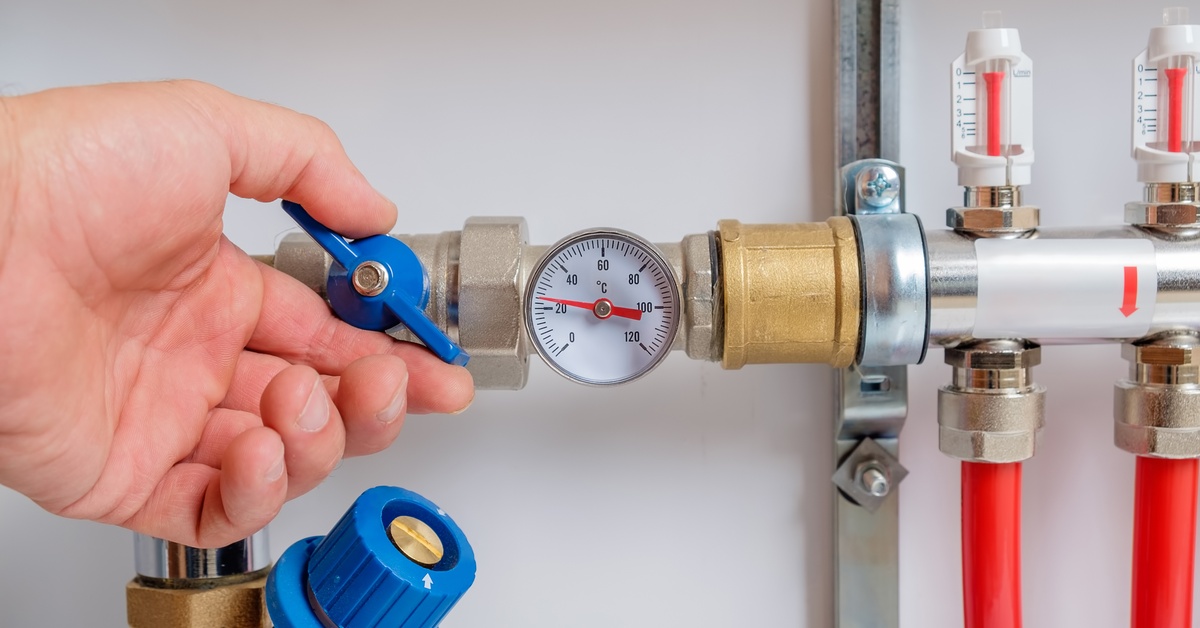
Manufacturers produce plastic valves from polymer materials, each with specific properties suited for different applications. This range of materials helps operators select valves optimized for their specific fluid, temperature, and pressure requirements. The availability of multiple material options ensures that plastic valves can address diverse pumping needs within portable systems. Common materials include the following:
Plastic valves follow industry-standard dimensions and connection types, making them readily available through multiple suppliers. This standardization simplifies procurement and ensures that replacement parts remain accessible even in remote locations. The widespread adoption of plastic valves in portable applications also means that operators can find technical support and guidance from multiple sources.
Plastic valves provide portable pumping systems with an optimal combination of light weight, corrosion resistance, and cost-effectiveness. Their chemical compatibility, low maintenance requirements, and ease of installation make them particularly well-suited for mobile applications, where reliability and convenience are paramount. When properly selected to match the operating conditions, plastic valves deliver dependable performance that supports efficient pumping operations across diverse environments.
Operators should evaluate their specific application requirements, including fluid type, temperature range, and pressure conditions, to select the appropriate plastic valve material and design. This careful selection process ensures that plastic valves will provide years of reliable service in vacuum pump systems.