Author: Tyler Mashek
Keeping equipment, vehicles, concrete pads, and work areas clean takes more than turning on a garden hose and hoping for the best. A standard hose-spray setup handles light rinsing, but it struggles with grease, caked mud, algae, oil stains, and packed debris. Pressure washing tackles those problems faster and with better results.
For operators in septic, hydro-excavation, municipal waste, and industrial service industries, cleaning equipment matters for more than appearance. Dirt buildup affects safety, efficiency, maintenance schedules, and even equipment lifespan. Pressure washing gives crews a practical way to remove stubborn contamination without wasting hours on manual scrubbing.
Here’s why pressure washing consistently outperforms basic hose-spray methods for serious cleaning jobs.
A regular garden hose usually produces between 40 and 60 PSI. Most pressure washers operate anywhere from 1,300 PSI to more than 4,000 PSI depending on the machine and application.
That difference changes everything.
Higher pressure cuts through grime that a hose barely moves. Mud packed into truck frames, grease around pumps, and sludge buildup on tanks all come off faster with concentrated water pressure. Instead of soaking debris and hoping it loosens, pressure washing actively breaks contaminants away from the surface.
That stronger cleaning action reduces the amount of manual labor needed on demanding jobs.
Anyone who has rinsed down a heavily used truck or trailer with a garden hose has seen the problem. The hose loosens some debris, but much of the dirt stays behind or spreads into streaks.
Pressure washing removes buildup instead of relocating it.
The focused spray lifts contaminants off surfaces more effectively, especially when paired with the correct nozzle and detergent. Concrete surfaces, aluminum tanks, hoses, and equipment frames all benefit from deeper cleaning action.
Cleaner surfaces also make inspections easier because crews can actually see cracks, corrosion, worn fittings, and leaks.
Time matters on any job site or service route. Spending an hour cleaning equipment with a hose when a pressure washer can finish the same job in 15 minutes makes little sense.
Pressure washing speeds up cleaning because the water works harder.
Operators clean larger surface areas quickly, remove buildup in fewer passes, and spend less time scrubbing by hand. Faster cleanup helps crews return equipment to service sooner, which improves productivity across the board.
For companies running multiple trucks or servicing several sites daily, those time savings add up fast.
Many people assume higher water flow alone improves cleaning performance. In reality, pressure plays a much larger role.
A garden hose may deliver decent water volume, but it lacks the force needed to remove:
Pressure washing combines force and flow to break apart stubborn contamination. Heated pressure washers push cleaning performance even further by loosening grease and oily residue more effectively than cold water alone.
That extra cleaning strength becomes especially important in industrial and wastewater environments.
Dirty equipment wears out faster. Mud traps moisture against metal surfaces. Chemical residue encourages corrosion. Oil buildup hides leaks and damaged components. When operators rely only on hose rinsing, contaminants often stay behind long enough to create maintenance issues.
Pressure washing removes debris before it causes long-term damage.
Routine cleaning helps preserve paint, reduce corrosion risks, and keep moving parts cleaner. Cleaner equipment also allows maintenance crews to spot problems earlier instead of discovering failures after breakdowns occur.
That proactive approach supports longer equipment life and fewer expensive repairs.
Slippery surfaces create hazards around trucks, tanks, loading areas, and shop floors. Oil, grease, algae, and waste residue increase the risk of slips and falls.
Pressure washing removes those hazards more effectively than standard rinsing methods.
Concrete pads, walkways, shop entrances, and wash bays all stay safer when crews remove buildup completely instead of partially rinsing it away. Pressure washing also helps clean contaminated work areas after spills or messy service jobs.
In industries involving wastewater, portable sanitation, and hydro excavation, cleaner equipment and work zones support safer daily operations.
Some equipment surfaces collect grime in tight or awkward areas. Hose sprays usually lack the force needed to clean corners, crevices, undercarriages, and recessed fittings effectively.
Pressure washers handle those areas much better.
Using extension wands, rotating nozzles, and specialized attachments allows operators to clean hard-to-reach spots without disassembling equipment. That capability proves especially useful for vacuum trucks, trailers, jetting equipment, and heavy-duty service vehicles.
A deeper clean in hidden areas also reduces odor buildup and contamination concerns.
Many people assume pressure washers waste water because they clean aggressively. In reality, they often use less water than a standard hose.
A garden hose can use 8 to 20 gallons per minute depending on water pressure and hose size. Many commercial pressure washers use far less water while cleaning more effectively.
That efficiency happens because pressure washing removes debris faster and requires less rinsing time.
Using less water while achieving better results benefits both operating costs and environmental responsibility. For companies that clean equipment regularly, lower water consumption can make a noticeable difference over time.
Pressure washing works better than hose spraying partly because operators can control cleaning intensity.
Different nozzles and PSI settings allow crews to clean delicate or durable surfaces appropriately. A hose gives limited control beyond adjusting water flow.
Pressure washers adapt to many applications, including:
Concrete surfaces collect oil, grease, algae, and heavy grime that hoses rarely remove completely. Pressure washing restores cleaner surfaces quickly.
Mud and debris cling aggressively to heavy equipment frames and undercarriages. Pressure washers remove packed material more efficiently.
Wastewater and septic equipment often collect stubborn residue during daily operation. Pressure washing helps crews maintain cleaner tanks and trailers between jobs.
Shop floors, wash bays, and loading zones benefit from deeper cleaning that reduces buildup and improves safety.
Nobody enjoys spending hours scrubbing equipment with brushes and degreasers. Pressure washing minimizes that work.
The combination of pressure, water flow, and detergents handles much of the heavy lifting automatically. Operators still may need spot treatment for severe contamination, but overall labor demands drop significantly compared to basic hose cleaning.
Less scrubbing also means less fatigue for crews handling large equipment fleets or extensive cleaning routines.
At the end of the day, pressure washing simply cleans more effectively than basic hose-spray methods.
It removes tougher buildup, saves time, improves safety, supports maintenance, and helps protect valuable equipment. For operators dealing with industrial vehicles, wastewater systems, heavy equipment, and demanding work environments, pressure washing offers clear advantages over standard rinsing methods.
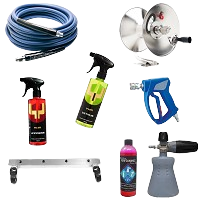
Varco Supply offers high-quality pressure washer supplies for professionals that are looking for reliable equipment.