Author: Tyler Mashek
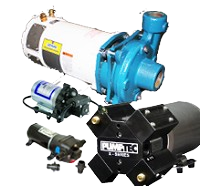
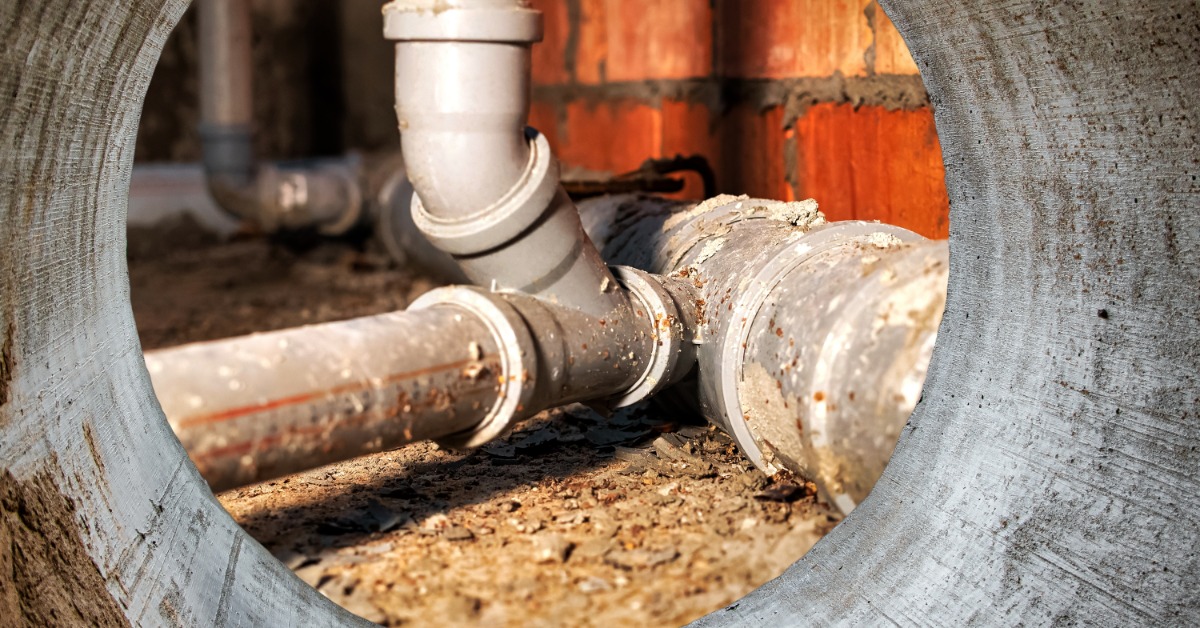
Sanitary waste systems handle some of the toughest jobs in the water and wastewater industry. Every day, pumps move wastewater, sludge, grease, and other challenging materials through pipelines, lift stations, septic systems, and treatment facilities. While pumps receive plenty of attention, the valves connected to those pumps often determine whether the entire system runs efficiently or experiences costly downtime.
Reliable pump valves control flow, protect equipment, maintain pressure, and prevent contamination. When a valve fails, operators often face leaks, pressure loss, equipment damage, and expensive repairs. Choosing quality components and maintaining them properly helps sanitary waste systems perform consistently under demanding conditions.
Whether you operate septic trucks, municipal wastewater equipment, or commercial pumping systems, understanding the role of dependable pump valves can help improve reliability and reduce maintenance issues.
Pump valves regulate how wastewater moves throughout a pumping system. They open, close, or partially restrict flow to ensure material travels in the correct direction at the proper pressure.
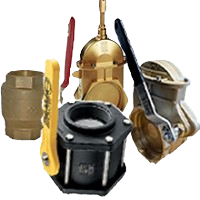
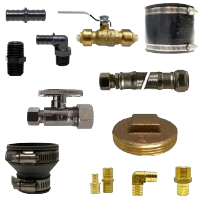
Different valves perform different functions depending on the application. Common valve types include:
Each valve contributes to overall system performance. If one valve stops functioning correctly, the entire operation can suffer.
Sanitary waste systems operate in harsh conditions. Wastewater often contains solids, chemicals, grease, grit, debris, and abrasive materials. These substances create challenges that many industrial systems never encounter.
Reliable valves withstand repeated exposure to:
Low-quality valves wear more quickly under these conditions. Worn seals, damaged seats, or corroded components eventually reduce efficiency and increase the risk of failure.
Reliable valves help operators avoid unexpected shutdowns while maintaining consistent system performance.
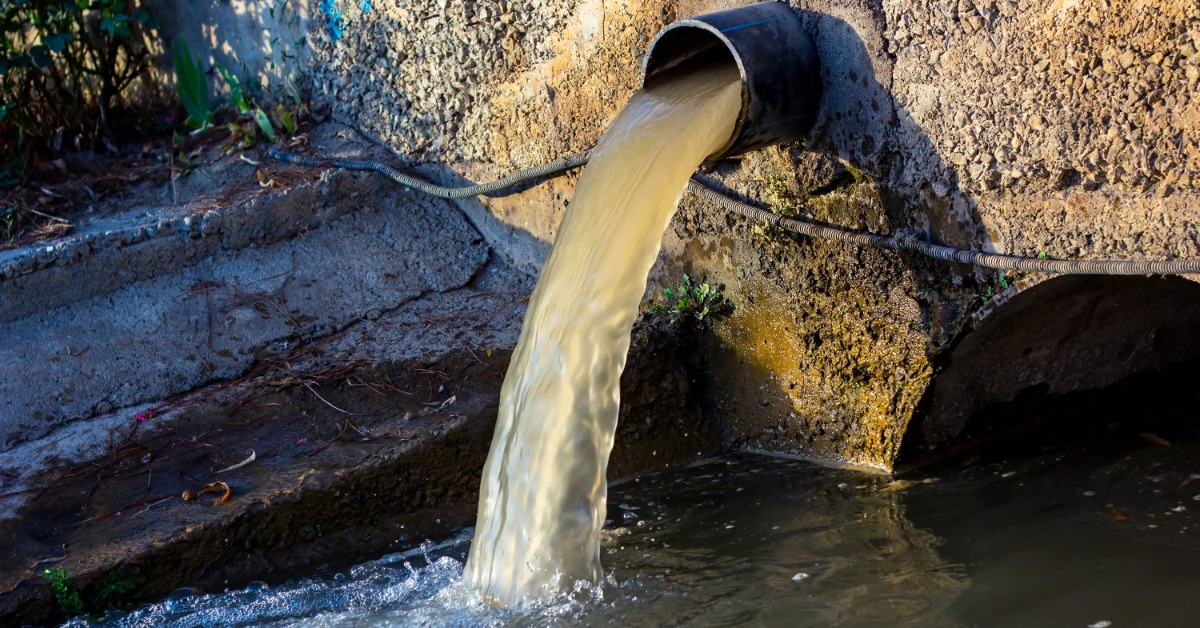
One of the most important functions of pump valves involves preventing backflow.
Without properly functioning check valves, wastewater can reverse direction whenever pumps stop operating. Backflow creates several problems, including increased contamination risks, flooded pump stations, equipment damage, and unnecessary wear on pumps.
Backflow also forces pumps to work harder during restart cycles because the system loses its intended operating conditions.
Reliable check valves close quickly and seal completely, keeping wastewater moving in the proper direction throughout the pumping process.
Every pumping system depends on proper pressure to move wastewater efficiently.
Pump valves help regulate pressure throughout the system by controlling flow rates and isolating different sections when necessary. Stable pressure allows pumps to operate within their intended performance range while reducing unnecessary stress on components.
Pressure fluctuations create several issues:
Properly selected valves help maintain stable operating conditions that extend equipment life and improve overall system performance.
Many operators focus heavily on pump maintenance while overlooking the valves that protect those pumps.
Reliable valves reduce mechanical stress by controlling startup conditions, preventing reverse flow, limiting pressure spikes, and isolating equipment during servicing.
Pressure surges can damage seals, bearings, impellers, diaphragms, and other pump components. Quality valves help absorb or prevent many of these damaging conditions before they reach the pump itself.
Protecting the pump ultimately protects the entire wastewater operation.
Every sanitary waste system requires routine maintenance. Reliable valves make maintenance safer, faster, and less disruptive.
Isolation valves allow technicians to shut off individual portions of a system without stopping every operation. This flexibility reduces downtime while making repairs more manageable.
Instead of draining an entire pipeline, crews can isolate only the affected section.
This approach saves time while minimizing wastewater handling during maintenance activities.
Smooth flow improves the performance of every sanitary waste system.
Reliable valves open fully when needed and close securely when required. They minimize unnecessary flow restrictions while maintaining accurate control.
Flow interruptions can create sediment buildup inside pipes. Over time, accumulated debris increases resistance, reduces efficiency, and raises maintenance requirements.
Proper valve operation helps wastewater continue moving through the system instead of settling inside pipelines.
Wastewater systems involve potentially hazardous materials. Equipment failures increase safety risks for maintenance personnel and operators.
Reliable pump valves improve workplace safety by helping control wastewater movement during inspections, repairs, and emergency shutdowns.
When valves operate correctly, technicians can isolate equipment with greater confidence before beginning maintenance work.
Leaks, unexpected backflow, and uncontrolled pressure changes become much less likely when valves remain in good operating condition.
Reliable equipment contributes to a safer working environment across the entire operation.
Not every valve performs equally in sanitary waste applications.
Material selection plays a major role in durability, corrosion resistance, and long-term reliability.
Depending on the application, operators may choose cast iron, stainless steel, PVC, ductile iron, or brass valves for specific portions of the system. Each material offers different strengths depending on pressure requirements, fluid characteristics, chemical exposure, and operating conditions.
Selecting the proper material helps maximize service life while minimizing replacement costs.
Using the correct valve matters just as much as purchasing a quality product.
Each wastewater application presents unique operating conditions that influence valve selection.
For example, ball valves provide fast shutoff and excellent sealing. Check valves prevent reverse flow. Butterfly valves work well in larger pipelines where space remains limited. Gate valves isolate sections of piping during maintenance.
Matching the valve to its intended purpose improves performance while reducing unnecessary wear.
Operators should consider flow characteristics, pressure requirements, media composition, and maintenance needs before making a selection.
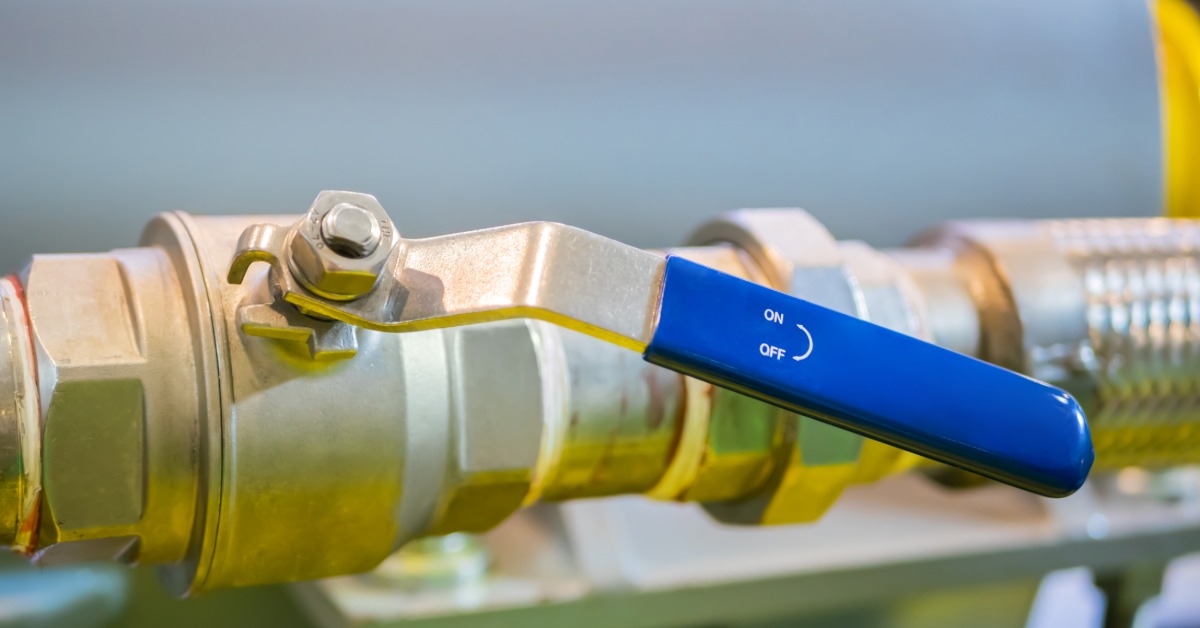
Valves rarely fail without warning. Operators who recognize early symptoms can often prevent larger problems.
Some warning signs include:
Addressing these issues early often costs far less than repairing damaged pumps or replacing larger system components.
Routine inspections remain one of the most effective ways to identify developing problems before they interrupt operations.
Even the highest-quality valve requires regular maintenance.
Routine inspections help identify wear before failures occur. Maintenance schedules should include cleaning, lubrication where applicable, seal inspections, corrosion checks, and operational testing.
Operators should also monitor pressure readings and flow performance. Unexpected changes often indicate developing valve problems before visible damage appears.
Preventive maintenance protects the investment made in pumps, piping, and other critical equipment.
Consistent maintenance also helps reduce emergency repairs, improve equipment reliability, and extend the service life of the entire pumping system.
Every component within a sanitary waste system affects overall reliability. While pumps often receive the spotlight, dependable valves play an equally important role in keeping wastewater moving safely and efficiently.
Reliable pump valves help prevent backflow, maintain pressure, protect pumps, improve safety, and reduce maintenance interruptions. They also support smoother wastewater flow and contribute to lower operating costs over time.
For operators in the septic, municipal wastewater, portable sanitation, and industrial pumping industries, investing in quality valves supports consistent performance in demanding environments. Choosing the right valve, installing it properly, and maintaining it regularly helps sanitary waste systems continue operating with fewer unexpected failures and greater long-term efficiency.