Author: Tyler Mashek
Pipe fittings do more than connect sections of pipe. They help systems stay leak-free, handle pressure, and survive years of daily use. When a fitting fails, the entire system can shut down fast. That matters in industries that depend on water transfer, wastewater handling, hydro excavation, and vacuum truck operations.
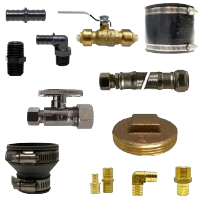
Push-fit fittings gained popularity because they install quickly and require fewer tools. They work well for some light-duty plumbing applications. Still, threaded pipe fittings continue to dominate demanding industrial and commercial environments for good reason.
Threaded fittings offer durability, strength, serviceability, and long-term reliability that push-fit systems often cannot match. For operators who depend on dependable equipment every day, threaded fittings usually provide the better investment.
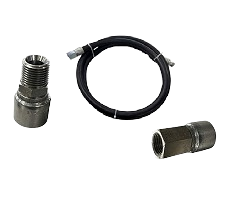
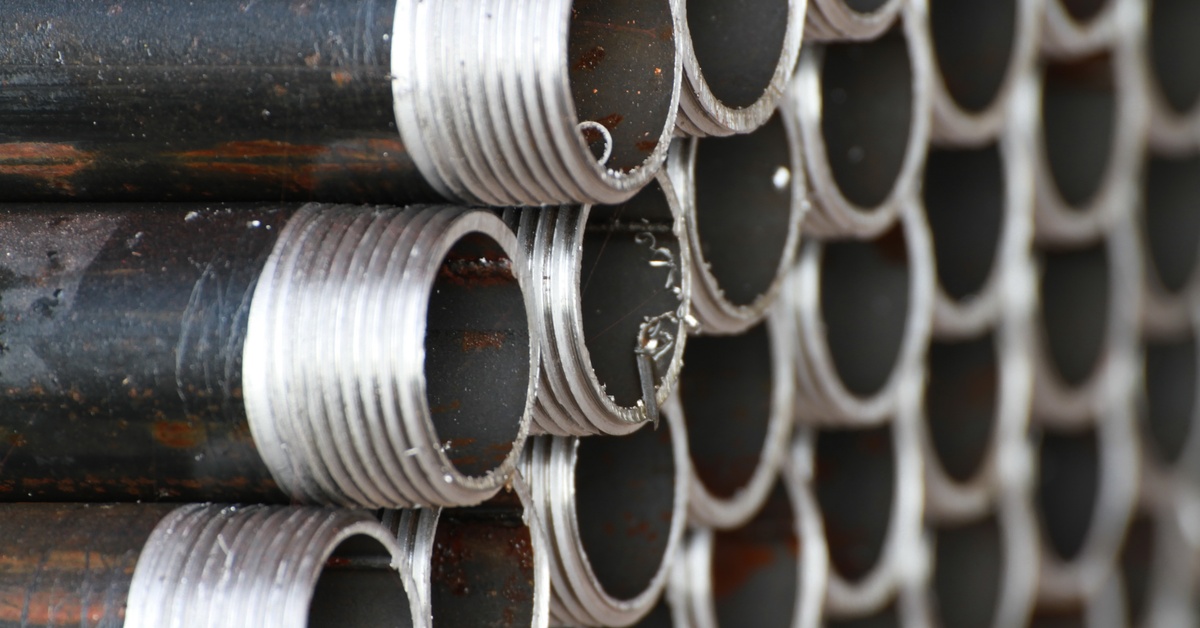
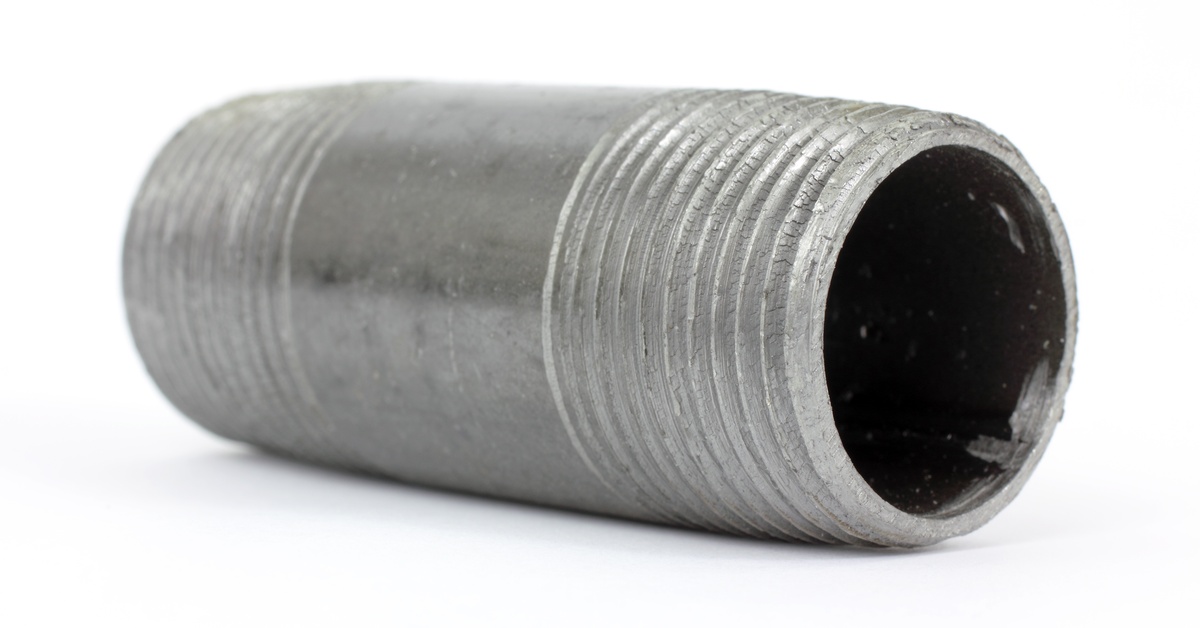
Threaded pipe fittings connect pipes through matching threaded ends. One side twists into the other, creating a tight mechanical seal. Many threaded fittings also use thread sealant or PTFE tape to improve leak protection.
These fittings come in several materials, including:
Threaded fittings support a wide range of applications. Septic systems, water transfer setups, jetting systems, and industrial pumping equipment all rely heavily on threaded connections.
Push-fit fittings connect pipe sections without threading or soldering. Users simply push the pipe into the fitting until it locks into place. Internal grab rings and O-rings create the seal.
Many homeowners and contractors like push-fit fittings because installation moves quickly. They also reduce labor time for repairs and temporary setups.
However, speed does not always equal durability. Industrial operators often discover the limitations of push-fit fittings once systems face vibration, pressure spikes, harsh environments, or repeated use.
One major advantage of threaded fittings involves connection strength. The threads physically lock components together, creating a secure bond that resists movement.
Push-fit fittings depend heavily on internal seals and compression mechanisms. Over time, those components can weaken or shift under stress.
Threaded connections handle:
Vacuum truck systems and wastewater operations rarely stay still for long. Equipment moves across rough terrain, experiences pressure changes, and operates in dirty conditions. A threaded fitting handles those challenges far better than a push-fit option.
Pressure resistance matters in industrial systems. Water pumps, jetting equipment, and transfer systems often operate under demanding conditions that place serious stress on fittings.
Threaded fittings maintain a tight seal under high pressure because the threads distribute force throughout the connection. Properly installed threaded fittings rarely separate unless excessive force damages the system.
Push-fit fittings usually work within narrower pressure ranges. Some models handle moderate pressure well, but extreme pressure spikes can compromise internal seals.
For operators who work with pumps, jetters, or wastewater transfer systems, reliability under pressure matters more than installation speed.
Outdoor equipment faces constant temperature swings throughout the year. Cold winters and hot summers cause materials to expand and contract repeatedly.
Threaded fittings tolerate those changes more effectively because the mechanical connection stays intact even when temperatures fluctuate. Metal threaded fittings especially perform well in changing environments.
Push-fit fittings rely heavily on rubber O-rings. Extreme heat or cold can weaken those seals over time. As seals age, leak risks increase.
This becomes especially important for equipment stored outdoors or used in seasonal conditions.
Wastewater and industrial environments expose fittings to chemicals, debris, moisture, and abrasion daily. Fittings need to survive more than clean water lines inside climate-controlled buildings.
Threaded fittings often outperform push-fit systems because they contain fewer internal sealing components that can wear out.
Industrial users commonly choose threaded fittings for systems exposed to:
Many push-fit fittings simply were not designed for those conditions. Even when manufacturers rate them for industrial use, long-term durability still tends to favor threaded connections.
Maintenance crews value equipment that comes apart easily for inspection and repair. Threaded fittings support that process well.
Technicians can remove threaded fittings with standard tools, inspect components, replace seals, and reinstall parts without cutting pipe sections apart.
Push-fit fittings sometimes complicate repairs because removal mechanisms vary between manufacturers. Some fittings require special disconnect tools. Others become difficult to remove after years of exposure to dirt or corrosion.
Threaded fittings also make system modifications easier. Operators can swap sections, upgrade components, or reroute plumbing without replacing large portions of the system.
Push-fit systems depend on internal grip mechanisms that hold pipe in place. Repeated movement, vibration, or pressure changes can slowly weaken those connections.
Industrial applications often expose fittings to constant motion. Vacuum trucks, trailers, pumps, and jetting systems rarely operate in perfectly stable conditions.
Threaded fittings resist loosening because the threads mechanically engage the connection. Proper installation further reduces movement risks. That added stability helps prevent leaks before they start.
Industrial systems use many pipe materials, sizes, and configurations. Threaded fittings provide excellent compatibility across different setups.
Operators can find threaded fittings for:
This versatility helps technicians adapt systems quickly without relying on proprietary connection designs.
Many push-fit systems work best only with specific pipe materials or outside diameters. That limitation creates problems during repairs or upgrades.
When crews need dependable pipe connectors across multiple applications, threaded systems usually provide greater flexibility.
Every fitting eventually faces leak risks if installation quality suffers. Still, threaded fittings provide strong leak resistance when installed correctly.
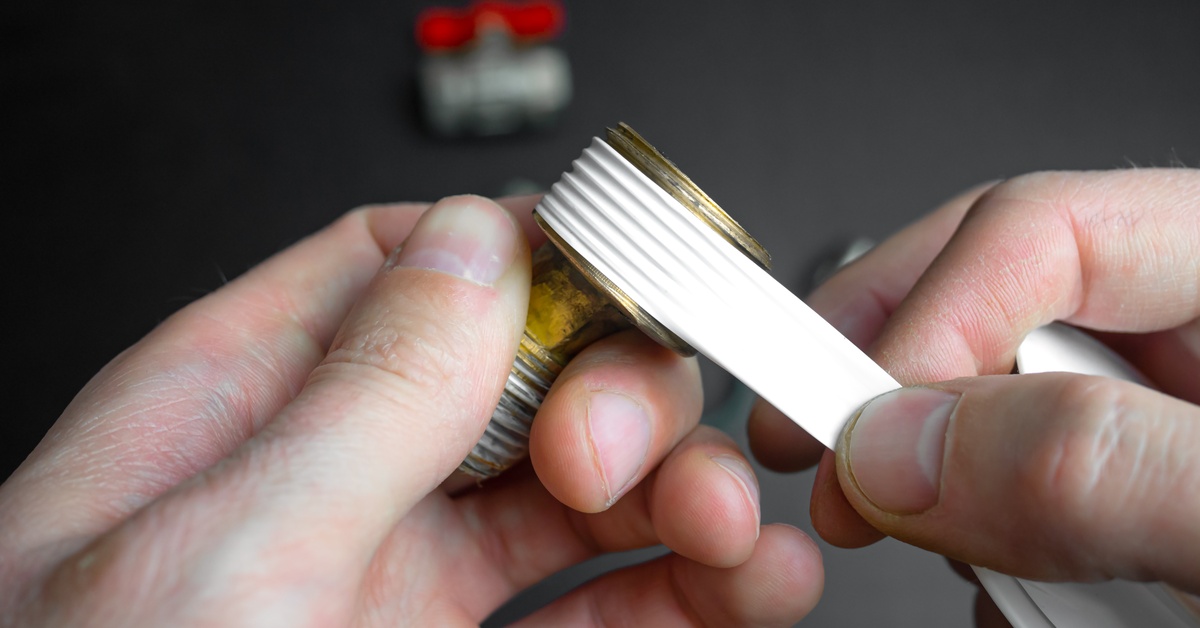
Pipe dope, thread sealant, and PTFE tape all help improve sealing performance. Once tightened properly, threaded fittings maintain reliable seals for years.
Push-fit fittings depend primarily on O-rings to stop leaks. O-rings wear down naturally over time, especially when exposed to heat, chemicals, or debris.
Even small damage to an internal seal can lead to leaks that remain hidden until system performance drops.
Industrial operators often prefer threaded systems because they trust the long-term sealing performance more.
Heavy-duty equipment places unique stress on plumbing systems. Constant vibration and movement create challenges that residential plumbing rarely encounters.
Septic trucks, hydro excavation rigs, and vacuum systems all operate under rugged conditions. Components shake, flex, and experience sudden movement during transport and operation.
Threaded fittings provide the mechanical strength necessary for those environments. That reliability explains why so many industrial systems still depend on threaded connections despite newer fitting technologies entering the market.
Push-fit fittings sometimes reduce labor costs during installation. However, initial speed does not always equal long-term savings.
Threaded fittings often cost less per fitting compared to premium push-fit options. More importantly, threaded systems usually require fewer replacements over time.
A fitting that lasts years longer provides better value, especially in demanding applications.
Leaks, downtime, emergency repairs, and replacement costs all add up quickly when fittings fail prematurely.
Many operators choose threaded fittings because they trust the long-term performance more than the short-term convenience of push-fit systems.
Industrial users tend to prioritize equipment that survives real-world conditions. They need fittings that handle pressure, vibration, chemicals, weather, and constant use without creating unnecessary maintenance headaches.
Threaded fittings continue to dominate many industries because they deliver dependable performance year after year.
Push-fit systems absolutely have their place. Still, demanding wastewater, pumping, and industrial environments usually favor threaded connections for good reason.
When reliability matters most, threaded pipe fittings continue to outperform push-fit alternatives in the areas that count.